How to Get Rid of Corns on Feet: Effective Solutions and Foot Care Products
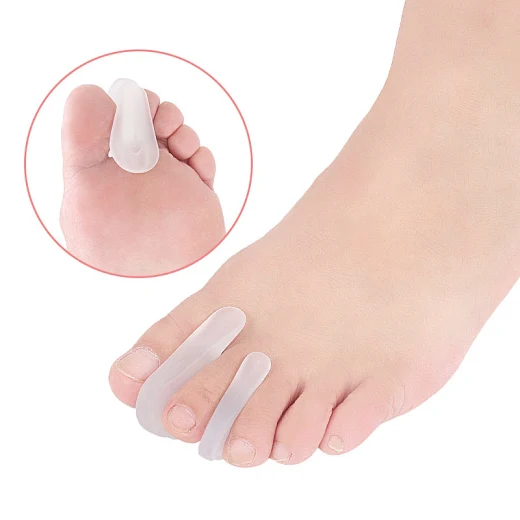
Soothe painful corns naturally using our medical-grade toe spacers and protective pads. These corn treatment products relieve pressure, prevent friction, and promote healing. Includes silicone toe separators and adhesive cushions for daily comfort. Drug-free solution for soft corns and calluses.
How to Get Rid of Corns on Feet: Effective Solutions and Foot Care Products
Table of Contents
- Understanding Corns and Their Causes
- Top Foot Care Products for Corn Removal
- Expert Advice on Prevention
- Frequently Asked Questions (FAQ)
Understanding Corns and Their Causes
Corns are thickened skin areas caused by repeated friction or pressure. They typically form on toes or soles and can be categorized into:
- Hard Corns: Dense, circular patches with a central core.
- Soft Corns: Whitish, rubbery lesions between toes.

Common Causes
- Ill-fitting footwear (tight shoes or high heels)
- Abnormal gait or foot structure (e.g., bunions)
- Dry skin or lack of proper foot care
Top Foot Care Products for Corn Removal
1. Salicylic Acid Patches
Usage and Benefits
Salicylic acid (17%-40%) dissolves keratin in corns. Apply patches for 2-7 days to soften hardened skin. Recommended for hard corns.
2. Urea-Based Creams
Key Features
- 40% urea moisturizes and exfoliates
- Reduces pain by softening deep layers
3. Silicone Toe Protectors
Purpose
Cushion pressure points and prevent friction. Ideal for soft corns between toes.
4. Electric Callus Removers
Safety Tips
- Use 180-grit rollers to avoid over-filing
- Limit use to 1-2 times weekly
5. Medicated Corn Pads
Function
Contain hydrocolloid gel to absorb moisture and accelerate healing.
Expert Advice on Prevention
"Preventing corns starts with proper footwear. Choose shoes with a wide toe box and use orthotic inserts if you have foot deformities."
— Dr. Lisa Carter, Podiatrist
Daily Foot Care Routine
- Soak feet in warm water with Epsom salts for 10 minutes.
- Apply ammonium lactate lotion to keep skin soft.
- Wear moisture-wicking socks to reduce friction.
When to See a Professional
- Corns bleeding or showing signs of infection
- No improvement after 2 weeks of home treatment
Frequently Asked Questions (FAQ)
1. Can I use pumice stones daily?
Answer: No. Overuse can damage healthy skin. Limit to 2-3 times weekly after soaking.
2. Are natural remedies like vinegar effective?
Answer: Vinegar soaks soften corns temporarily but can’t remove the core. Combine with medical-grade products for best results.
3. How long do corn removal patches take to work?
Answer: Most patches require 3-5 days. Avoid peeling off prematurely to prevent skin damage.
4. Can corns return after treatment?
Answer: Yes, if underlying causes (e.g., tight shoes) aren’t addressed. Use preventive products like silicone pads.
5. Are corn removers safe for diabetics?
Answer: Diabetics should avoid self-treatment. Consult a podiatrist to prevent ulcer risks.
Conclusion: Combine Products and Prevention
Effectively eliminating corns requires both targeted treatments (like salicylic acid) and long-term preventive care. Invest in quality foot care products and prioritize proper footwear to keep your feet healthy and pain-free.


How to Know What Insoles You Need: A Step-by-Step Guide
Arch Support for Plantar Fasciitis: Relief Starts from the Ground Up