Can Flat Feet Be Corrected in Adults? Understanding Treatment Options

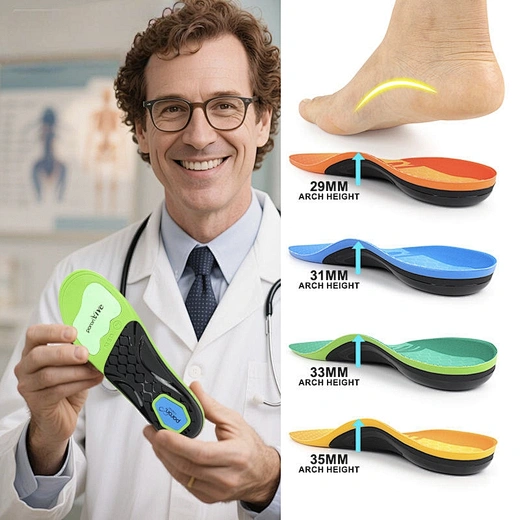
Wondering can you fix flat feet? While true correction varies, our supportive insoles & exercises can significantly reduce pain, improve arch support, and restore alignment. Discover effective solutions for managing flat feet comfortably today!
Can Flat Feet Be Corrected in Adults? Understanding Treatment Options
Table of Contents
Understanding Flat Feet in Adults
Flat feet, medically known as pes planus, is a condition where the arches of the feet collapse, causing the entire sole to come into contact with the ground. While common in children, many adults also experience this condition, which can develop over time due to various factors.
Types of Adult-Acquired Flat Feet
There are two primary forms of flat feet in adults:
- Flexible Flat Feet: Arches appear when not bearing weight but disappear when standing.
- Rigid Flat Feet: Arches are absent regardless of weight-bearing status.
Causes of Flat Feet in Adults
Adult-acquired flat feet can result from:
- Aging and wear-and-tear on supporting foot structures
- Posterior tibial tendon dysfunction (PTTD), a common cause
- Arthritis, particularly rheumatoid arthritis
- Nerve conditions affecting foot muscles
- Obesity, which increases stress on arches
- Diabetes-related foot changes
- Genetic predisposition
Can Flat Feet Truly Be Corrected?
The question of whether flat feet can be fully corrected in adults is complex. While complete anatomical reversal of arch collapse is often challenging, significant functional improvement is absolutely achievable through various interventions.
Limitations of Correction in Adults
Unlike children whose bones and connective tissues are still developing, adults have mature skeletal structures. This makes complete anatomical restoration of the arch more difficult. However, this doesn't mean adults can't experience substantial relief and functional improvement.
Realistic Treatment Goals
For adults with flat feet, treatment typically focuses on:
- Pain reduction and symptom management
- Improving foot function and alignment
- Preventing progressive worsening of the condition
- Enhancing mobility and quality of life
The Role of Orthotic Insoles in Managing Flat Feet
Orthotic insoles play a crucial role in managing flat feet in adults. While they don't "cure" the anatomical flatness, they provide essential biomechanical support that can dramatically improve comfort and function.
How Insoles Help Flat Feet
Properly designed insoles for flat feet work by:
- Providing arch support to redistribute pressure
- Controlling overpronation (excessive inward rolling of the foot)
- Improving foot alignment and reducing strain on ankles, knees, and hips
- Cushioning impact during walking and standing
- Preventing progressive flattening of the arch
Scientific Evidence Supporting Insole Use
Multiple studies have confirmed the effectiveness of orthotic insoles for flat feet. Research shows they can reduce pain, improve function, and decrease the risk of secondary issues like plantar fasciitis and shin splints.
Types of Insoles for Flat Feet
Not all insoles are created equal when it comes to addressing flat feet. Understanding the different types can help you make an informed choice.
Over-the-Counter (OTC) Insoles
These readily available options provide basic support and cushioning. Look for OTC insoles with:
- Firm arch support specifically designed for flat feet
- Deep heel cups for stability
- Quality materials like EVA foam or gel for durability
Custom Orthotics
For severe flat feet or specific biomechanical issues, custom orthotics may be recommended. These are:
- Individually crafted from molds or scans of your feet
- Designed to address your specific foot structure and gait pattern
- Typically more expensive but offer precise correction
Heat-Moldable Insoles
These semi-custom options offer a middle ground between OTC and custom orthotics. They can be heated and molded to better fit your foot shape.
Choosing the Right Insole
When selecting insoles for flat feet, consider:
- Your activity level and footwear type
- The severity of your flat feet
- Any additional foot conditions (like plantar fasciitis)
- Budget constraints and insurance coverage
Additional Treatment Approaches
While insoles are a cornerstone of flat feet management, they're most effective when combined with other approaches.
Physical Therapy and Exercises
Targeted exercises can strengthen foot muscles and improve arch support:
- Arch lifts and toe curls
- Calf stretches to address tightness
- Balance exercises to improve proprioception
Proper Footwear Selection
Supportive shoes are essential for managing flat feet. Look for:
- Firm heel counters for stability
- Straight or semi-curved lasts to control overpronation
- Adequate arch support and cushioning
- Removable insoles to accommodate orthotics
Weight Management
Excess body weight increases stress on already compromised arches. Weight reduction can significantly alleviate symptoms.
Surgical Options
For severe cases unresponsive to conservative treatments, surgical options may include:
- Tendon transfers or repairs
- Bone realignment procedures (osteotomies)
- Joint fusions in advanced cases
Expert Insights on Flat Feet Correction
"While we can't always restore the perfect arch in adults with long-standing flat feet, we can absolutely improve function and eliminate pain. The key is a comprehensive approach that includes appropriate orthotic support, targeted exercises, and proper footwear."
— Dr. Michael Johnson, DPM, Board-Certified Podiatrist
"Custom orthotics are particularly valuable for adults with flat feet because they provide the specific support needed for their unique foot structure and gait pattern. They don't just make feet more comfortable—they can prevent secondary issues in the knees, hips, and back."
— Dr. Sarah Chen, Physical Therapist specializing in biomechanics
Frequently Asked Questions
1. Can flat feet be completely cured in adults?
While complete anatomical correction is challenging in adults, significant functional improvement is absolutely achievable. Most adults can become pain-free and fully active with proper management.
2. How long does it take to see improvement with orthotic insoles?
Most people notice immediate comfort, but it can take 2-4 weeks to fully adapt to orthotics. Maximum benefits for pain reduction and function typically occur after 3-6 months of consistent use.
3. Are custom orthotics worth the extra cost?
For complex cases or when OTC options haven't helped, custom orthotics are often worth the investment. They provide precise support tailored to your specific foot structure and gait pattern.
4. Can exercises alone fix flat feet in adults?
While exercises are valuable for strengthening supporting muscles, they typically can't fully correct flat feet in adults. A combination of exercises, orthotics, and proper footwear usually works best.
5. What's the difference between arch supports and orthotics?
Arch supports primarily provide cushioning and basic arch elevation, while orthotics are medical devices designed to correct biomechanical issues and control foot motion.
6. Is surgery necessary for adult flat feet?
Surgery is typically considered only when conservative treatments fail and pain significantly impacts quality of life. Most adults manage flat feet successfully without surgery.
Conclusion
While complete anatomical correction of flat feet may not always be possible in adults, significant functional improvement is absolutely achievable. Through a combination of properly designed orthotic insoles, targeted exercises, appropriate footwear, and other conservative treatments, most adults with flat feet can experience substantial pain relief and improved mobility.
The key is understanding that flat feet management is typically a long-term approach rather than a quick fix. Orthotic insoles play a crucial role in this management by providing the necessary support to align the feet properly, distribute pressure evenly, and prevent secondary issues in other parts of the body.
If you're struggling with flat feet as an adult, consult with a podiatrist or foot specialist who can recommend a personalized treatment plan. With the right approach, you can successfully manage your flat feet and maintain an active, pain-free lifestyle.


How to Avoid Plantar Fasciitis:Effective Prevention Strategies and the Role of Supportive Insoles
Metatarsal Support Insoles: Your Complete Guide to Pain Relief