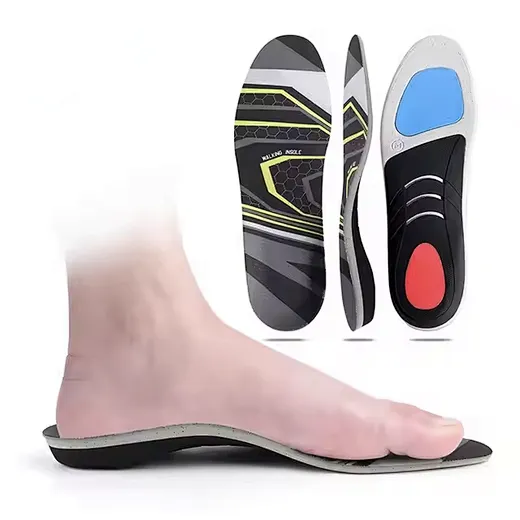
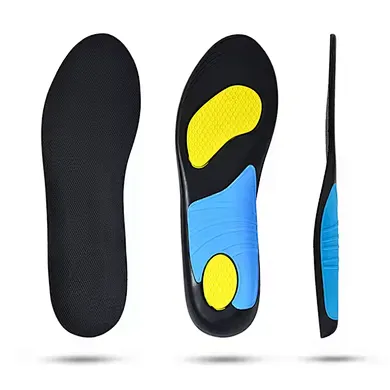
Should I Wear Running Insoles? The Ultimate Guide to Making the Right Choice
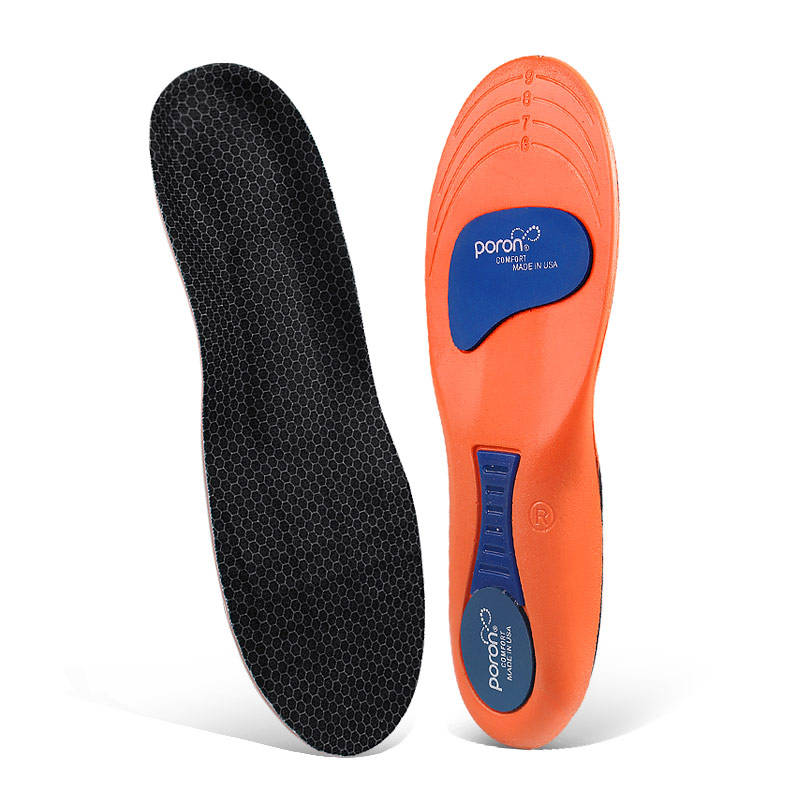
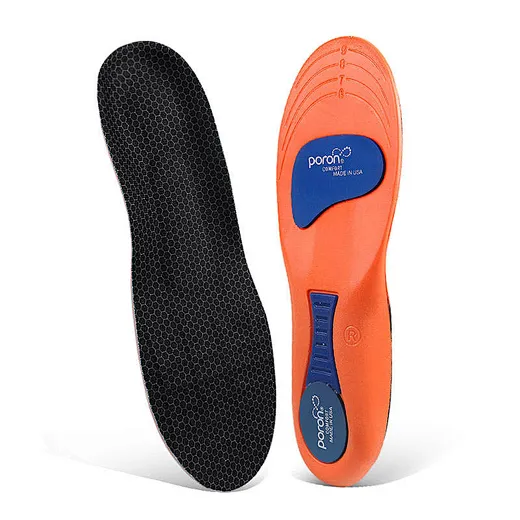
Discover the best running inserts for enhanced performance and comfort. Engineered with responsive cushioning and arch support, these insoles optimize energy return, reduce impact on joints, and help prevent common running injuries. Ideal for long-distance, trail, and daily training runs.
Should I Wear Running Insoles? The Ultimate Guide to Making the Right Choice
Table of Contents
- What Are Running Insoles?
- Key Benefits of Running Insoles
- Who Should Consider Running Insoles?
- Different Types of Running Insoles
- How to Choose the Right Running Insoles
- Expert Opinions on Running Insoles
- Frequently Asked Questions
- Conclusion
What Are Running Insoles?
Running insoles, also known as orthotic inserts or shoe inserts, are specially designed footbeds that fit inside your running shoes. Unlike standard insoles that come with shoes, running-specific insoles are engineered to provide enhanced support, cushioning, and biomechanical correction during running activities.
These specialized inserts serve multiple purposes: they redistribute pressure, absorb impact shock, stabilize the foot, and can help correct alignment issues that might lead to injuries or discomfort during running.
Key Benefits of Running Insoles
Enhanced Shock Absorption
Running generates impact forces of 2-3 times your body weight with each step. Quality running insoles feature advanced materials like EVA foam, gel cushioning, or polyurethane compounds that significantly improve shock absorption, reducing stress on joints.
Improved Biomechanical Alignment
Many runners experience overpronation (excessive inward rolling) or supination (outward rolling). Running insoles with arch support and heel cups help maintain proper foot alignment, which can prevent injuries not just in feet but also in knees, hips, and back.
Increased Comfort and Reduced Fatigue
By providing better support and cushioning, running insoles can reduce muscle fatigue and allow for longer, more comfortable runs. The pressure distribution capabilities prevent hot spots and blisters that often develop during extended running sessions.
Injury Prevention and Recovery
For runners dealing with or looking to prevent common issues like plantar fasciitis, shin splints, or Achilles tendonitis, the right insoles can provide therapeutic benefits and support recovery.
Who Should Consider Running Insoles?
Runners with Specific Foot Conditions
If you have flat feet, high arches, or experience regular foot pain, running insoles can provide the necessary support your feet lack naturally. Those with plantar fasciitis often find significant relief with properly selected orthotic inserts.
Runners Prone to Injuries
If you've experienced recurrent running-related injuries, especially stress fractures, IT band syndrome, or runner's knee, insoles might help address biomechanical issues contributing to these problems.
Long-Distance Runners
Marathoners and ultrarunners benefit tremendously from the enhanced cushioning and support that quality insoles provide, especially during the latter stages of long runs when form typically deteriorates.
Heavier Runners
Runners with higher body mass generate greater impact forces. Additional cushioning from running insoles can help mitigate joint stress and extend running longevity.
Different Types of Running Insoles
Cushioning Insoles
Designed primarily for shock absorption, these are ideal for runners with high arches or those who run on hard surfaces. They typically feature gel pads or memory foam in key impact areas.
Support/Stability Insoles
These focus on correcting overpronation and providing arch support. They often incorporate firmer materials and structured designs to control excessive foot motion.
Custom Orthotics
Professionally fitted and manufactured based on a detailed assessment of your feet and running gait. While more expensive, they offer personalized correction for specific biomechanical issues.
Heat-Moldable Insoles
A middle ground between off-the-shelf and custom options, these can be heated and molded to better fit your foot shape, offering semi-custom support at a more affordable price point.
How to Choose the Right Running Insoles
Step 1: Identify Your Foot Type and Gait
Determine whether you have neutral arches, flat feet, or high arches. Understanding your pronation pattern is crucial—consider a professional gait analysis at a specialty running store.
Step 2: Consider Your Running Style and Environment
Trail runners might prioritize stability and protection, while road runners often focus more on cushioning. The distance you typically run also influences the type of support you need.
Step 3: Match Insole to Shoe Compatibility
Ensure the insoles fit properly in your running shoes without crowding the toe box. Some may require trimming to size—follow manufacturer guidelines carefully.
Step 4: Gradual Adaptation
When introducing new insoles, start with shorter runs to allow your feet and body to adapt. Gradual implementation helps prevent discomfort and allows you to assess effectiveness properly.
Expert Opinions on Running Insoles
Dr. Emily Sanders, Sports Podiatrist
"Many runners overlook the importance of proper foot support until injuries occur. Quality running insoles can be a game-changer, particularly for those with biomechanical issues. They're not just for injury treatment—they're valuable preventive tools that can enhance performance and running longevity."
Mark Richardson, Certified Running Coach
"I recommend runners consider insoles if they're experiencing persistent discomfort or recurrent injuries. The key is proper selection—what works for one runner might not work for another. Don't view insoles as a standalone solution but as part of a comprehensive approach that includes proper shoes, strength training, and good running form."
Research Findings
A 2022 study in the Journal of Sports Sciences found that runners using appropriate orthotic insoles experienced 12% less impact shock and reported 23% reduction in foot discomfort compared to those using standard shoe insoles. The research highlighted the importance of matching insole type to individual biomechanical needs.
Frequently Asked Questions
Are running insoles necessary for all runners?
Not necessarily. Runners with neutral biomechanics who experience no pain or injuries may not need specialized insoles. However, many runners benefit from the additional support and cushioning, even without existing issues.
Can I use the same insoles in different running shoes?
Yes, but ensure they fit properly in each pair. Some shoes have different volumes, so an insole that works in one model might not fit well in another. The insoles should lie flat without curling at the edges.
How long do running insoles typically last?
Most quality running insoles maintain their supportive properties for 300-500 miles, similar to running shoes. Cushioning insoles may need replacement sooner if you notice compression or loss of resilience.
Will running insoles change how my shoes fit?
They might slightly reduce the volume inside the shoe. If your shoes are already snug, consider going up a half size or looking for low-profile insoles designed to minimize space consumption.
Can insoles help with knee pain while running?
Yes, if the knee pain is related to biomechanical issues like overpronation. Proper insoles can correct alignment problems that contribute to knee stress, though they should be part of a comprehensive approach that includes strength training.
Are expensive custom orthotics worth the investment?
For runners with significant biomechanical issues or persistent injuries, custom orthotics can be invaluable. However, many runners find that quality over-the-counter options provide sufficient support at a lower cost.
Conclusion
The decision to wear running insoles depends on your individual needs, foot type, running style, and any existing issues. While not every runner requires specialized insoles, they can provide significant benefits in terms of comfort, injury prevention, and performance enhancement for many.
If you experience regular discomfort, have known biomechanical issues, or are prone to running injuries, investing in quality running insoles is likely worthwhile. Start with properly selected over-the-counter options, and if problems persist, consult a sports podiatrist for assessment and possible custom orthotics.
Remember that insoles are part of a comprehensive approach to running health—they work best when combined with appropriate footwear, strength training, and attention to running form. Listen to your body, and don't hesitate to make adjustments that support your running journey and overall foot health.


Which Insoles Are Best for Walking All Day? Discover the Ultimate Comfort Solution
Sports Insoles for Basketball: Maximize Performance and Prevent Injuries