What Foot Problems Can Orthotic Insoles Correct? A Comprehensive Guide to Common Foot Conditions That Can Be Improved with Orthotic Support

Discover the best orthotic insoles for targeted arch support and pain relief. Designed to improve alignment, reduce fatigue, and alleviate conditions like plantar fasciitis and flat feet. Ideal for long hours on your feet or active lifestyles.
What Foot Problems Can Orthotic Insoles Correct?
A Comprehensive Guide to Common Foot Conditions That Can Be Improved with Orthotic Support
Table of Contents
Introduction to Orthotic Insoles
Orthotic insoles, also known as orthoses, are specially designed shoe inserts that correct abnormal foot biomechanics. Unlike standard cushioned insoles that primarily provide comfort, orthotics are medical devices that address structural issues and improve alignment throughout the lower body.
These devices can be custom-made from molds of your feet or purchased as over-the-counter solutions for specific conditions. They work by redistributing pressure, supporting arches, and guiding your feet into a more natural position with each step.
Key Takeaway
Orthotic insoles are therapeutic devices designed to correct foot abnormalities, not just provide temporary comfort. They address the root causes of many common foot problems.
Common Foot Problems Corrected by Orthotics
Orthotic insoles provide arch support that reduces tension on the plantar fascia ligament. By preventing overpronation (excessive inward rolling of the foot) and distributing pressure more evenly, orthotics can significantly reduce pain and promote healing.
For individuals with fallen arches, orthotics provide the arch support that the feet naturally lack. This helps align the feet properly, reduces strain on ankles and knees, and prevents the fatigue and pain associated with this condition.
High arches create excessive pressure on the heels and balls of the feet. Orthotics with cushioning and shock absorption help distribute weight more evenly and reduce impact on these pressure points.
While orthotics cannot reverse existing bunions, they can slow progression by improving foot alignment and reducing pressure on the big toe joint. Some orthotics include toe separators or metatarsal pads to redistribute weight away from the affected area.
This painful condition involves thickening of tissue around nerves leading to the toes. Orthotics with metatarsal pads lift and separate the metatarsal bones, relieving pressure on the affected nerves and reducing symptoms.
Heel lifts and proper arch support in orthotics reduce strain on the Achilles tendon by correcting alignment issues and limiting excessive pronation that contributes to this condition.
Often caused by overpronation or improper foot mechanics during activity, orthotics can correct gait abnormalities and reduce the repetitive stress that leads to shin splints.
By improving foot alignment, orthotics can have a positive ripple effect throughout the kinetic chain, reducing stress on knees, hips, and the lower back that originates from foot abnormalities.
How Orthotic Insoles Work
Biomechanical Correction
Orthotic insoles function by correcting abnormal foot mechanics that cause or contribute to various conditions. They work on three key principles:
- Support: Providing structural support where the foot lacks it naturally
- Alignment: Guiding the foot into proper position during the gait cycle
- Cushioning: Absorbing shock and redistributing pressure away from painful areas
Types of Orthotic Insoles
Custom (Prescription) Orthotics
Made from precise molds or 3D scans of your feet, these are individually crafted to address your specific biomechanical issues. They are typically prescribed by podiatrists or orthopedic specialists.
Over-the-Counter Orthotics
Available in various sizes and arch types, these prefabricated orthotics can effectively address many common foot problems and are more affordable than custom options.
Heat-Moldable Orthotics
These semi-custom insoles can be warmed and shaped to better conform to your foot's contours, offering a middle ground between custom and over-the-counter options.
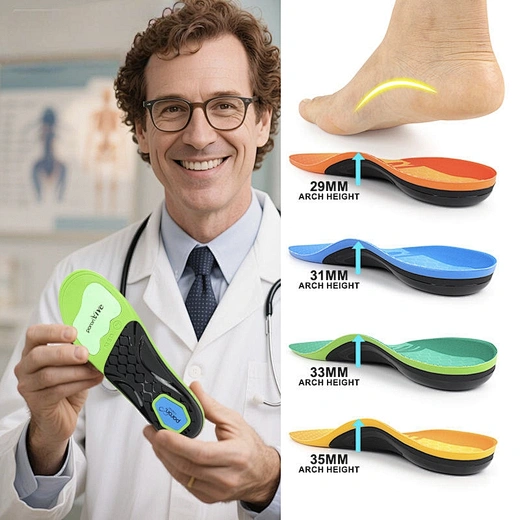
Our corrective insole series, meticulously designed and manufactured, is engineered to meet all your foot support needs. You can provide our R&D team with 3D scan data for a fully personalized solution, or choose from our existing range tailored to various arch types. For even greater convenience, our thermo-moldable insoles allow you to achieve a custom arch support fit at home—simply heat them in a microwave for easy shaping.


Expert Insights on Orthotic Effectiveness
"Orthotic insoles are not a one-size-fits-all solution, but when properly prescribed and fitted, they can correct a wide range of biomechanical foot problems. The key is accurate diagnosis followed by appropriate orthotic design. For conditions like plantar fasciitis and overpronation, studies show that orthotics can reduce symptoms in approximately 80% of patients when combined with other treatments."
Dr. Robert Henderson, DPM
Board-Certified Podiatrist and Orthotics Specialist
When to Consider Orthotics
According to specialists, you should consider orthotic insoles if you experience:
- Persistent foot pain that doesn't improve with rest or standard insoles
- Uneven shoe wear patterns indicating abnormal gait
- Recurring foot conditions like plantar fasciitis or Achilles tendonitis
- Pain that extends to your knees, hips, or back during or after walking
- Visible foot abnormalities like flat feet or high arches causing discomfort
FAQs About Orthotic Insoles
No, they are fundamentally different. Regular insoles primarily provide cushioning and comfort, while orthotic insoles are designed to correct biomechanical issues. Orthotics are often considered medical devices and may be prescribed by healthcare professionals.
Most people require an adjustment period of 1-3 weeks. Start by wearing them for just a few hours each day and gradually increase usage. Your feet and body need time to adapt to the new alignment.
Orthotics typically manage and correct rather than cure structural foot problems. They address symptoms and prevent worsening of conditions, but underlying structural issues may remain if orthotics are discontinued.
Custom orthotics typically last 2-5 years with proper care, while over-the-counter options may need replacement every 6-12 months, depending on usage. Signs you need new orthotics include visible wear, loss of support, or return of symptoms.
Ideally, yes – for consistent correction. However, some orthotics are too bulky for certain shoes like high heels or dress shoes. Many companies offer slimline versions specifically designed for different shoe types.
Conclusion
Orthotic insoles can effectively correct a wide range of foot problems by addressing underlying biomechanical abnormalities. From common conditions like plantar fasciitis and flat feet to issues affecting the knees and back, properly fitted orthotics can provide significant relief and improved function.
While over-the-counter orthotics can help many people, those with severe or persistent problems should consult a healthcare professional for custom orthotics tailored to their specific needs. Remember that orthotics work best as part of a comprehensive treatment plan that may include appropriate footwear, stretching, and strengthening exercises.
The key to success with orthotic insoles is proper diagnosis of your specific foot problem followed by selection of the right type of orthotic for your condition and lifestyle. With the right approach, orthotics can be a transformative solution for chronic foot pain and dysfunction.


Daily Use of Orthotic Insoles: Is It Safe and Recommended? A Comprehensive Guide to the Benefits, Safety, and Best Practices of Regular Orthotic Insole Use
Orthotic Insoles: How to Choose Yours for Pain Relief and Perfect Fit