Best Orthopedic Insoles for Flat Feet: Ultimate Support and Comfort Guide

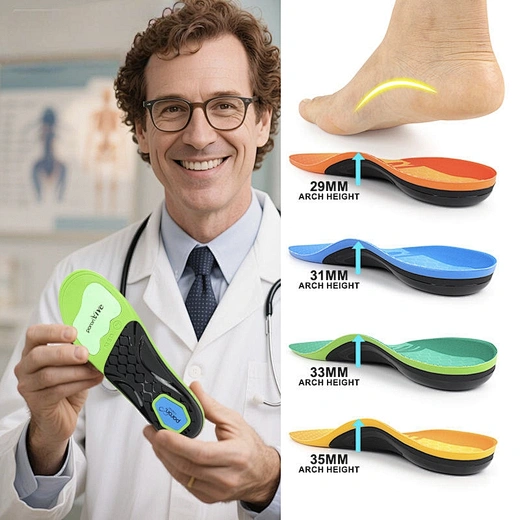
Discover the best orthopedic insoles for flat feet offering medical-grade arch support and heel cushioning. These podiatrist-designed orthotics correct alignment, reduce fatigue, and provide all-day comfort for walking, standing, or active lifestyles.
Best Orthopedic Insoles for Flat Feet: Ultimate Support and Comfort Guide
Table of Contents
- Understanding Flat Feet and Their Challenges
- How Orthopedic Insoles Help Flat Feet
- Top Orthopedic Insoles for Flat Feet
- How to Choose the Right Orthopedic Insoles
- Expert Insights on Flat Feet Management
- Frequently Asked Questions
- Conclusion
Understanding Flat Feet and Their Challenges
Flat feet, or pes planus, is a condition where the arches of the feet collapse, causing the entire sole to touch the ground. This common condition affects approximately 20-30% of the population and can lead to various discomforts including:
- Foot pain along the arch or inner side of the foot
- Overpronation (excessive inward rolling of the foot)
- Pain in knees, hips, and lower back due to misalignment
- Fatigue after standing or walking for short periods
- Increased risk of conditions like plantar fasciitis and shin splints
How Orthopedic Insoles Help Flat Feet
Orthopedic insoles, also known as orthotics, are specially designed shoe inserts that address the specific biomechanical needs of flat feet. They provide:
Arch Support and Alignment
The primary function of orthopedic insoles is to restore proper arch support, which helps redistribute pressure evenly across the foot and correct misalignments that can affect the entire lower body.
Shock Absorption
Quality orthopedic insoles feature advanced cushioning materials that absorb impact forces during walking or running, reducing stress on joints.
Stability and Motion Control
These insoles are designed to control excessive foot motion, particularly overpronation, which is common in people with flat feet.
Improved Biomechanics
By supporting the foot's natural structure, orthopedic insoles help optimize gait patterns and reduce strain on muscles and tendons.
Top Orthopedic Insoles for Flat Feet
1. Powerstep Pinnacle Orthotic Insoles
Key Features:
- Firm arch support with a deep heel cradle
- Dual-layer cushioning with pressure relief
- Moisture-wicking top cover
- Suitable for everyday wear and athletic activities
Best For:
Those seeking a balance of support and comfort for daily use.
2. Superfeet Green Premium Insoles
Key Features:
- High-impact support with a rigid plastic heel cup
- Stabilizing cap technology for motion control
- Antimicrobial coating to prevent odor
- Excellent for active lifestyles
Best For:
Athletes and individuals with an active lifestyle who need maximum support.
3. Spenco Polysorb Total Support Insoles
Key Features:
- Full-length support with arch and metatarsal pads
- Shock-absorbing Polysorb cushioning
- Durable construction with long-lasting support
- Designed to reduce fatigue during prolonged standing
Best For:
People who spend long hours on their feet, such as healthcare workers or retail employees.
4. SOLE Active Medium Insoles
Key Features:
- Heat-moldable for custom fit
- Firm arch support with cushioning layer
- Moisture-wicking and odor-resistant
- Natural cork and EVA foam construction
Best For:
Those wanting a semi-custom solution without the high cost of prescription orthotics.
5. Dr. Scholl's Custom Fit Orthotic Inserts
Key Features:
- Kiosk-measured for personalized support
- Targeted pressure point relief
- ShockGuard technology for impact absorption
- Stabilizer frame for motion control
Best For:
Individuals seeking personalized support without a prescription.
How to Choose the Right Orthopedic Insoles
Arch Support Type
For flat feet, look for insoles with firm arch support that will help restore the natural arch position and prevent overpronation.
Material Quality
Consider insoles made from high-density foam, gel cushioning, or semi-rigid plastics that provide both support and comfort.
Footwear Compatibility
Ensure the insoles are appropriate for your specific footwear type (athletic shoes, dress shoes, work boots).
Activity Level
Match the insole to your primary activities. High-impact activities require more cushioning and support than everyday casual wear.
Size and Fit
Most insoles are trimmable to fit your shoe size, but ensure the arch support aligns correctly with your foot's anatomy.
Expert Insights on Flat Feet Management
Dr. Sarah Johnson, DPM - Podiatric Specialist
“For those with flat feet, proper arch support is crucial. Over-the-counter orthotics can significantly alleviate the symptoms of mild to moderate flat feet, but severe flat feet may require custom orthotics. The key is consistency—wear supportive insoles with all shoes to maintain a correct arch throughout the day.”
Mark Wilson, Certified Pedorthist
"Many people with flat feet make the mistake of choosing insoles that are too soft. While cushioning feels good initially, firm support is essential for long-term comfort. Choose insoles with a firm heel counter and a supportive arch to not only cushion impact but also control arch movement.”
Frequently Asked Questions
1. How long do orthopedic insoles typically last?
Most quality orthopedic insoles last between 6-12 months with regular use. Athletic insoles may need replacement more frequently (every 3-6 months for serious runners).
2. Can I wear orthopedic insoles with any type of shoes?
While many insoles are designed to be trimmable for fit, some may not work well with very narrow or shallow shoes. Always check the insole thickness and your shoe's available volume.
3. Are custom orthotics better than over-the-counter insoles for flat feet?
For severe cases or specific medical conditions, custom orthotics prescribed by a podiatrist are superior. However, many people with flat feet find significant relief from high-quality over-the-counter options.
4. How long does it take to adjust to new orthopedic insoles?
Allow a break-in period of 1-2 weeks. Start by wearing them for a few hours each day, gradually increasing usage to allow your feet and body to adjust to the new support.
5. Can orthopedic insoles help with knee and back pain caused by flat feet?
Yes, by improving foot alignment, orthopedic insoles can positively affect the entire kinetic chain, potentially reducing pain in knees, hips, and lower back that results from flat feet.
Conclusion
Finding the best orthopedic insoles for flat feet can significantly improve comfort, reduce pain, and enhance overall mobility. The key is choosing insoles with firm arch support, motion control features, and quality materials that address the specific challenges of flat feet. Whether you choose Powerstep, Superfeet, Spenco, or another premium brand, consistently wearing the right shoes is crucial for optimal results. For persistent foot pain or severe flat feet, consult a podiatrist or foot specialist who can provide personalized advice and, if necessary, custom orthotics tailored to your specific needs.


Shoe Insert Arch Support: The Complete Guide to Healthier, Pain-Free Feet
Corrective Insoles for Supination: Fixing Underpronation for Pain-Free Movement