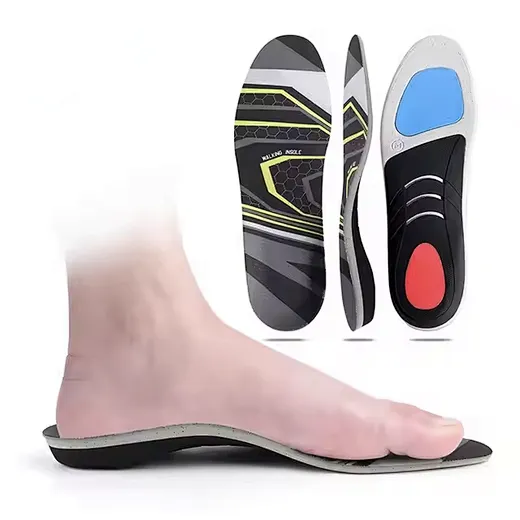
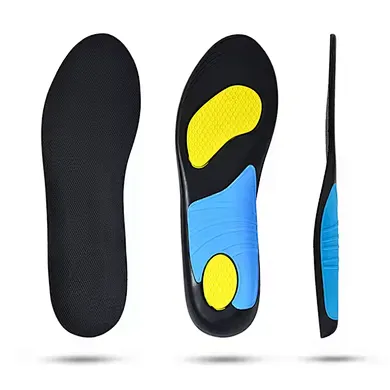
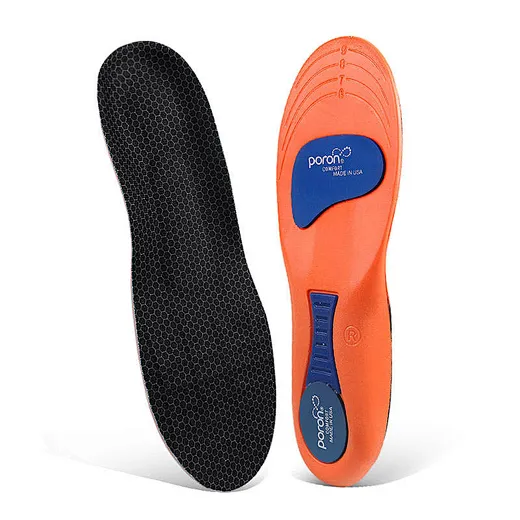
Which Insoles Are Best for Walking All Day? Discover the Ultimate Comfort Solution
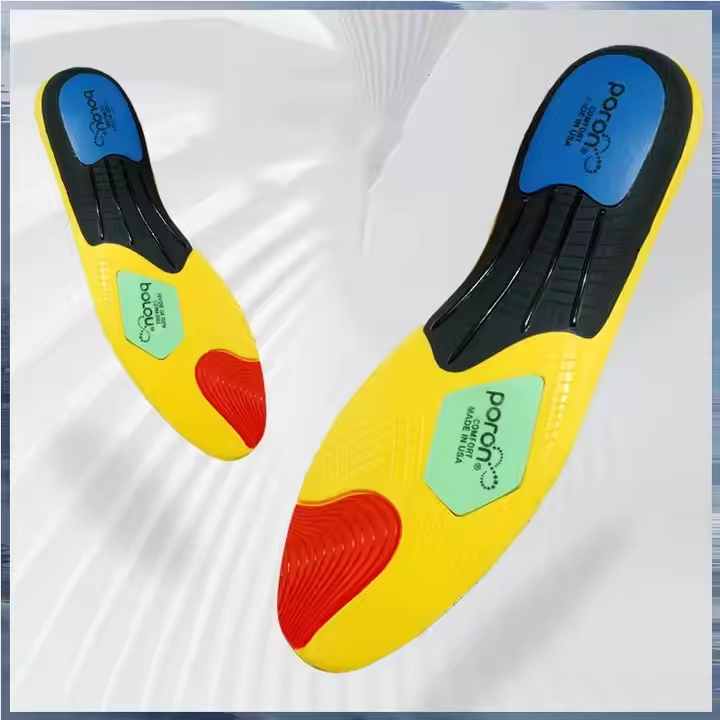
Discover the best insoles for walking all day designed for comfort and support. These premium inserts offer superior arch support, cushioning, and shock absorption to reduce foot fatigue. Ideal for professionals, travelers, and anyone spending long hours on their feet.
Which Insoles Are Best for Walking All Day? Discover the Ultimate Comfort Solution
Table of Contents
- The Challenges of Walking All Day
- Key Features of All-Day Walking Insoles
- Comparing Insole Materials for Long Wear
- Top Insole Recommendations for All-Day Walkers
- Expert Advice on Choosing All-Day Comfort
- FAQs About Insoles for All-Day Walking
- Conclusion: Step Comfortably Through Your Day
The Challenges of Walking All Day
Professionals who spend hours on their feet—including healthcare workers, retail employees, and hospitality staff—face unique biomechanical stresses that can lead to:
- Plantar fasciitis from constant pressure on the arches
- Metatarsalgia (ball-of-foot pain) from repetitive impact
- Heel pain and discomfort from inadequate shock absorption
- Lower back and joint pain resulting from poor alignment
The right insoles don't just provide cushioning—they actively redistribute pressure and support proper foot alignment throughout long shifts.
Key Features of All-Day Walking Insoles
1. Advanced Arch Support Systems
Unlike casual insoles, all-day models feature progressive arch support that matches the foot's natural contour. Look for:
- Tri-density foam layers that provide varying support levels
- Rigid heel counters that stabilize the rear foot
- Longitudinal arch supports that prevent collapse during weight-bearing
2. Superior Shock Absorption Technology
The best insoles employ multiple impact-diffusing technologies:
- Gel pods at key pressure points (heel and forefoot)
- Memory foam that customizes to your foot shape
- Air-cushioning systems that create a responsive walking experience
3. Moisture and Odor Management
For all-day wear, breathability is non-negotiable. Premium insoles feature:
- Antimicrobial treatments that prevent bacterial growth
- Moisture-wicking top covers that keep feet dry
- Perforated designs that enhance air circulation
4. Durability and Longevity
Daily use demands materials that won't break down:
- High-density EVA that maintains integrity under compression
- Carbon fiber reinforcement in critical support areas
- Multi-layer construction that prevents premature flattening
Comparing Insole Materials for Long Wear
Gel Insoles
Best for: Immediate comfort and shock absorption
Considerations: May feel less supportive for those needing structural correction

Memory Foam Insoles
Best for: Customized fit and pressure distribution
Considerations: Can compress more quickly with heavy use
Orthotic Insoles
Best for: Medical conditions and significant alignment issues
Considerations: Often firmer and require an adjustment period

Hybrid Insoles
Best for: Combining benefits of multiple materials
Considerations: Typically represent the premium price category
Top Insole Recommendations for All-Day Walkers
Best Overall: Superfeet GREEN Insoles
With their high-profile shape and deep heel cup, these provide exceptional stability and are renowned among professionals who stand all day.
Best for Plantar Fasciitis: Powerstep Pinnacle Orthotics
These feature dual-layer cushioning and firm arch support specifically designed to alleviate heel and arch pain.
Best for Moisture Control: Spenco Polysorb Total Support Insoles
The Neoprene foam construction wicks moisture away while providing excellent shock absorption throughout long shifts.
Best Budget Option: Dr. Scholl's Work Insoles
Surprisingly effective for the price, these offer targeted gel pods and all-day massaging comfort.
Expert Advice on Choosing All-Day Comfort
Dr. Emily Roberts, a podiatrist specializing in occupational foot health, emphasizes: "For all-day wear, progressive adaptation is crucial. Start by wearing new insoles for 2-3 hours daily, gradually increasing wear time. This allows your feet to adjust to the improved alignment without discomfort."
She also recommends: "Don't overlook shoe compatibility. The best insoles won't help if they're crammed into too-tight shoes. Ensure your footwear has adequate depth and width to accommodate both your foot and the insole."
FAQs About Insoles for All-Day Walking
1. How often should I replace insoles for daily use?
For those walking all day, replace insoles every 4-6 months. Visual cues include visible compression, loss of springback, or discomfort returning.
2. Can I use the same insoles in different shoes?
Yes, but ensure they fit properly in each pair. Some dedicated users purchase multiple pairs for different types of footwear.
3. Are custom orthotics worth the investment for all-day walking?
For those with specific biomechanical issues or who haven't found relief with OTC options, custom orthotics can be life-changing. Consult a podiatrist for assessment.
4. How do I know if my insoles are working properly?
Effective insoles should reduce end-of-day fatigue, minimize or eliminate foot pain, and provide consistent support throughout your shift.
5. Can insoles help with back pain from standing all day?
Yes! Proper foot alignment improves overall posture, which can significantly reduce strain on knees, hips, and lower back.
Conclusion: Step Comfortably Through Your Day
Choosing the best insoles for all-day walking requires careful consideration of your specific needs, foot type, and work environment. The ideal pair will combine superior arch support, advanced shock absorption, and durable construction to carry you comfortably through the longest shifts.
Remember that even the best insoles work in partnership with proper footwear and good walking habits. Invest in your foot health today, and your entire body will thank you for years to come.


Running Shoe Inserts for Flat Feet: Transform Your Run with Proper Support
Should I Wear Running Insoles? The Ultimate Guide to Making the Right Choice