Stand All Day in Comfort: The Ultimate Guide to Anti-Fatigue Insoles for Professionals

Discover the best insoles for standing on concrete with cushioned support designed to reduce fatigue.Our anti-shock technology absorbs impact,improves alignment,and provides all-day relief for construction, retail, and healthcare workers on hard surfaces.
Stand All Day in Comfort: The Ultimate Guide to Anti-Fatigue Insoles for Professionals
Table of Contents
- Introduction: The Toll of Prolonged Standing
- Understanding Anti-Fatigue Insoles
- The Science: How Anti-Fatigue Insoles Actually Work
- Key Benefits for Professionals
- Choosing the Right Anti-Fatigue Insole for Your Profession
- Expert Insights: What Podiatrists Say
- Getting the Most Out of Your Insoles: Proper Use and Care
- Frequently Asked Questions (FAQ)
- Conclusion: Step Into a More Productive Day
Introduction: The Toll of Prolonged Standing
For millions of professionals—from healthcare workers and teachers to retail associates, chefs, and factory workers—standing for 8 to 12 hours a day is not a choice but a job requirement. This prolonged static posture places immense strain on the feet, legs, and back, leading to a cascade of discomfort known as occupational fatigue. Symptoms include aching arches, swollen feet, knee pain, lower back strain, and overall exhaustion that impacts both productivity and well-being. While proper footwear is crucial, the secret weapon for enduring comfort lies beneath your feet: Anti-Fatigue Insoles. This comprehensive guide explores how these specialized insoles are engineered to combat the physical demands of standing professions, turning a long shift from a painful ordeal into a manageable, comfortable experience.
Understanding Anti-Fatigue Insoles
Anti-fatigue insoles are not your average shoe cushions. They are scientifically designed footbeds that replace the factory insoles in your work shoes. Their primary purpose is to absorb impact, redistribute pressure, and promote natural foot movement throughout the day. Unlike flat, supportive insoles, quality anti-fatigue models often feature a combination of materials like gel, memory foam, or proprietary resilient polymers that provide a subtle, energizing bounce with each step. This dynamic cushioning is key to reducing the muscle fatigue that comes from standing on hard, unyielding surfaces.
Core Materials and Technologies
Modern anti-fatigue insoles utilize advanced materials:
Viscoelastic Memory Foam: Contours to your foot’s unique shape, offering personalized cushioning and pressure relief.
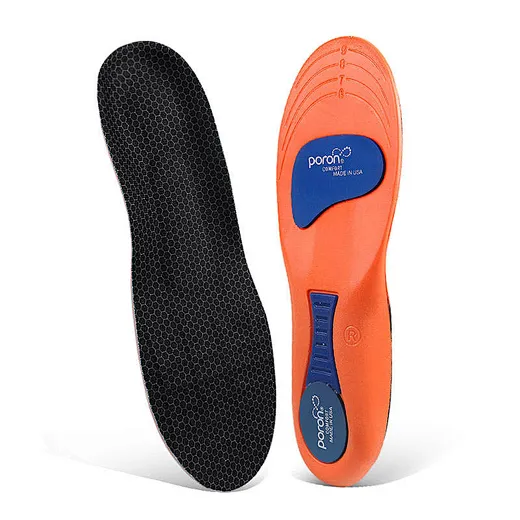
Shock-absorbing Gel Pods: Often placed in the heel and forefoot to dissipate impact forces away from joints.
Resilient EVA or Polyurethane Foam: Provides a spring-like effect that encourages micro-movements in calf muscles, promoting circulation.
Arch Support Systems: Integrated arch support helps maintain proper foot alignment, preventing overpronation and strain on the kinetic chain.


Of all the investments we make for our well-being, the right shoe inserts are among the most underrated. If you spend long hours on your feet, whether walking, working, or working out, the proper support can make a world of difference. Today, I want to highlight two exceptional options designed to combat foot fatigue, each with a unique blend of technologies for lasting comfort.
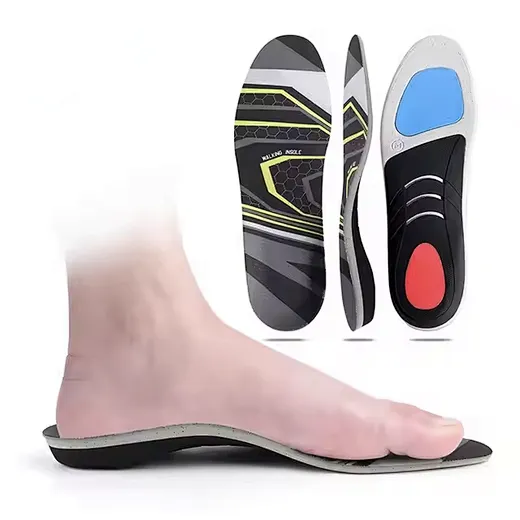
The first is a fantastic hybrid insert constructed with a multi-layered EVA, TPU, and gel composition. This design is a powerhouse for active support. The TPU element delivers excellent arch support, stabilizing your foot and promoting proper alignment from heel to toe. Meanwhile, the combination of EVA foam and integrated gel pods offers superior shock absorption, cushioning every step against hard surfaces. Despite its robust support structure, it remains remarkably lightweight, ensuring you get all the benefits without any added bulk or heaviness in your shoes. It's the perfect choice for those seeking a balance of structure, cushioning, and energy return.
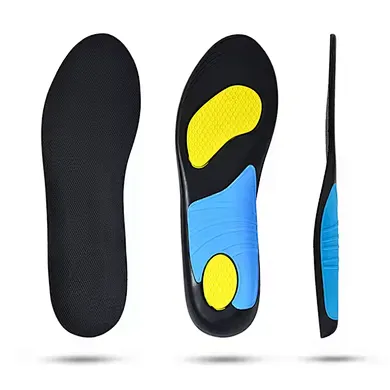
For those who prioritize immediate, cloud-like comfort, the second option featuring a gel and memory foam combination is a dream come true. The top layer of responsive memory foam conforms to the exact contours of your feet, providing a custom, pressure-relieving fit that reduces stress on your heels and balls of your feet. Underneath, strategic gel inserts deliver targeted shock absorption at key impact points. Together, they create a sensation of walking on a supportive yet plush surface that bounces back with each step. This insert excels at providing all-day comfort and exceptional cushioning, making it ideal for long periods of standing or for anyone who values a supremely soft, adaptable feel.
Ultimately, the choice depends on your personal needs. Go for the EVA+TPU+Gel hybrid if you need defined arch support and a lightweight, stable platform. Choose the Gel+Memory Foam pair if your primary goal is luxurious, molded comfort and plush rebound. Either way, your tired feet will thank you
The Science: How Anti-Fatigue Insoles Actually Work
The efficacy of anti-fatigue insoles is grounded in biomechanics. When you stand still on a hard floor, your body's weight creates sustained pressure points, primarily on your heels and the balls of your feet. This constant pressure compresses blood vessels, reducing circulation and causing muscles to stiffen and ache.
The "Micro-Movement" Principle
High-quality anti-fatigue insoles are designed with a slightly unstable or energy-returning midsole. This clever engineering creates a gentle, almost imperceptible give under your feet. As you make micro-adjustments to maintain balance, your calf and foot muscles are stimulated to contract and relax rhythmically. This active muscle pumping action enhances blood flow, delivers more oxygen to tissues, and flushes out metabolic waste products like lactic acid. The result is significantly reduced muscle fatigue and delayed onset of pain.
Key Benefits for Professionals
Investing in a pair of high-performance anti-fatigue insoles yields tangible returns for any professional who stands for a living.
1. Drastic Reduction in Foot and Leg Pain
By cushioning impact and improving circulation, insoles directly target the root causes of pain in the heels (plantar fasciitis), arches, and calves.
2. Enhanced Energy and Endurance
Less energy wasted on fighting discomfort means more sustained energy and focus for your tasks, especially during the crucial final hours of a shift.
3. Improved Posture and Spinal Health
Proper arch support aligns the feet, which in turn aligns ankles, knees, hips, and lower back. This kinetic chain alignment prevents the slouching and low back pain common among standers.
4. Increased Productivity and Job Satisfaction
Comfortable employees are more engaged, make fewer errors, and have better morale. Reducing physical strain can also lead to fewer sick days related to musculoskeletal issues.
Choosing the Right Anti-Fatigue Insole for Your Profession
Not all insoles are created equal. The best choice depends on your specific work environment and foot type.
For Healthcare & Service Industry (Concrete Floors):
Opt for insoles with maximum shock absorption and a deep heel cup. Gel-infused or hybrid foam/gel models are excellent for emergency rooms, restaurants, and retail spaces.
For Industrial & Trade Jobs (Vibration & Impact):
Look for durable, high-rebound materials like polyurethane that can withstand heavy loads and constant vibration from machinery. A rigid arch support is critical for stability.
For Educators & Presenters (Varied Movement):
Choose a balanced insole with moderate cushioning and good flexibility to accommodate both standing and walking. Breathable, moisture-wicking topsheets are a bonus.
Expert Insights: What Podiatrists Say
"From a clinical perspective, we see a dramatic difference in patients who use quality anti-fatigue insoles versus those who don't. The most important feature isn't just softness—it's dynamic support. An insole that is too soft will collapse and offer no real benefit. The goal is a product that provides cushioning while maintaining structural integrity to support the medial longitudinal arch. This prevents the foot from collapsing inward (overpronation), which is a primary contributor to fatigue not just in the foot, but all the way up to the lower back," explains Dr. Angela Roberts, D.P.M., a podiatrist specializing in occupational foot health. "I always recommend professionals get insoles with a firm heel counter and a material that offers both energy return and pressure dispersion."
Getting the Most Out of Your Insoles: Proper Use and Care
To ensure optimal performance and longevity:
1. Correct Installation:
Remove the existing factory insole from your shoe. Fully insert the anti-fatigue insole, ensuring the heel is seated snugly in the heel cup of your footwear.
2. Break-in Period:
Start by wearing them for a few hours a day to allow your feet and body to adjust to the new support.
3. Regular Replacement:
Even the best insoles lose their resilience. For professionals using them daily, replace insoles every 6 to 9 months, or as soon as you notice compression or wear.
4. Hygiene:
Use insoles with antimicrobial treatments or regularly wipe them down with a disinfectant cloth to prevent odor and bacterial growth.
Frequently Asked Questions (FAQ)
Q1: Can I use anti-fatigue insoles in any type of work shoe?
Yes, generally. Most are trim-to-fit and designed to work in closed-toe shoes, including sneakers, clogs, and safety boots. Ensure your shoe has enough depth to accommodate the insole without cramping your toes.
Q2: Are expensive insoles always better?
Not necessarily. Price often correlates with material quality, durability, and advanced technology. A mid-range insole from a reputable brand specializing in foot care often provides the best value for most professionals.
Q3: Will these insoles help with existing foot conditions like plantar fasciitis?
They can provide significant symptomatic relief by reducing heel impact and supporting the arch. However, for diagnosed conditions, consult a podiatrist who may recommend specific orthotic devices in conjunction with treatment.
Q4: How do I know if my insoles are worn out?
Visible compression, loss of springiness, flattened arch support, or the return of foot pain are clear indicators. If the insole no longer rebounds after you press your thumb into it, it's time for a replacement.
Q5: Can one pair of insoles work for both my work shoes and athletic shoes?
While possible, it's not ideal. Anti-fatigue insoles are engineered for the specific demands of prolonged standing, often with more cushioning in the forefoot. Athletic insoles are designed for dynamic movement and impact from running or jumping. For optimal results, use purpose-specific products.
Conclusion: Step Into a More Productive Day
Prolonged standing doesn't have to be a painful penalty of your profession. By understanding and utilizing the right Anti-Fatigue Insoles, you equip yourself with a powerful tool for maintaining comfort, health, and efficiency. The investment goes beyond simple cushioning—it's an investment in your long-term musculoskeletal health, your daily productivity, and your overall quality of life at work. Start by assessing your needs, consulting expert recommendations, and choosing a well-constructed product. Your feet are your foundation; give them the intelligent support they deserve, and feel the difference from the first shift to the last.


Hike Further, Feel Better: The Ultimate Guide to Insoles for Long-Distance Trekking
Say Goodbye to Tired Feet: Top 5 Comfort Insole Features for Daily Life