Best Shoe Insoles for Long-Term Standing Work: A Complete Guide

Discover the best insoles for standing all day:ergonomic designs that reduce fatigue,improve posture,and provide cushioning for hard floors.Ideal for nurses,teachers, and retail professionals seeking all-day comfort and foot pain relief during long shifts
Best Shoe Insoles for Long-Term Standing Work: A Complete Guide
Table of Contents
The Challenges of Long-Term Standing Work
For millions of professionals in healthcare, retail, manufacturing, hospitality, and education, prolonged standing is an unavoidable aspect of their daily work. While standing might seem less strenuous than heavy lifting, research shows it can lead to significant musculoskeletal problems when sustained for hours without proper support.
Common issues faced by those who stand for extended periods include:
- Plantar fasciitis: Inflammation of the thick tissue on the bottom of the foot
- Chronic lower back pain from improper spinal alignment
- Swollen feet and ankles due to poor circulation
- Knee and hip joint strain from uneven weight distribution
- Heel spurs and metatarsalgia (ball of foot pain)
- General fatigue that reduces productivity and focus
These issues aren't merely discomforts—they can lead to absenteeism, reduced work performance, and long-term health complications. This is where specialized shoe insoles become not just an accessory but an essential workplace tool.
How Quality Insoles Help
Professional-grade shoe insoles serve multiple crucial functions for standing workers:
Pressure Redistribution
High-quality insoles distribute body weight more evenly across the entire foot surface rather than concentrating it on heels or balls of feet. This pressure redistribution significantly reduces the risk of pressure point injuries and fatigue.
Shock Absorption
Each step generates impact forces that travel upward through joints. Insoles with proper shock absorption materials dampen these forces, protecting knees, hips, and the lower back.
Arch Support and Alignment
Proper arch support maintains the foot's natural structure, preventing overpronation or supination that can lead to ankle, knee, and back problems over time.
Improved Circulation
By reducing pressure points and encouraging natural foot movement, quality insoles promote better blood flow, reducing swelling and the risk of varicose veins.
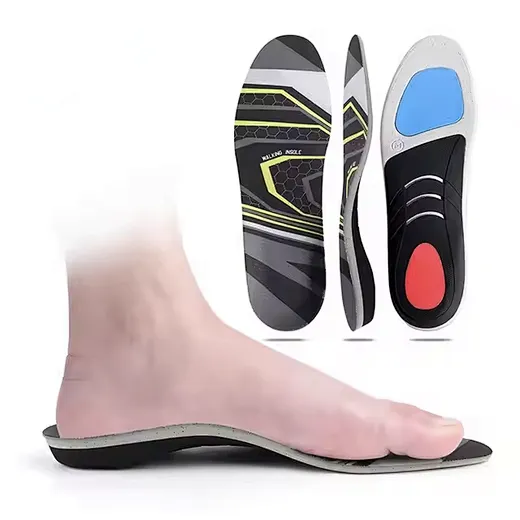
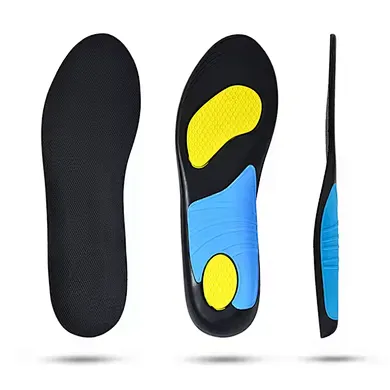
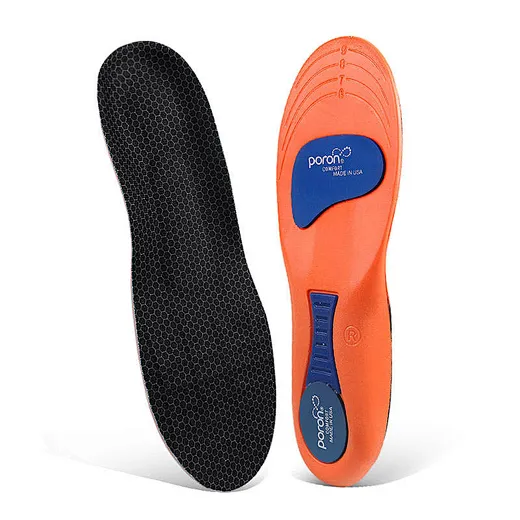
For those who spend long hours on their feet, finding the right insoles can make all the difference in comfort and support. Here’s a closer look at four excellent options, each designed with unique features to meet different needs:
The first insole is crafted from a combination of EVA and TPU, offering a smart three-point pressure distribution system. This design effectively balances your body weight across the heel, ball, and arch of the foot, reducing strain and fatigue during prolonged standing.
Next, we have an insole made from PU combined with a TPU air bag and gel cushioning. This model focuses heavily on shock absorption—the air bag and gel work together to soften each step, providing exceptional cushioning that protects your joints from the impact of hard surfaces.
The third option features a multi-material construction of EVA, TPU, and gel. It not only delivers comfortable cushioning but also emphasizes arch support and corrective alignment. By stabilizing the foot and promoting a healthier posture, it helps alleviate discomfort associated with flat feet or overpronation.
Lastly, the fourth insole is made from breathable PU material. It keeps your feet cool and dry thanks to its ventilated design, while the textured surface with massage nodules gently stimulates the soles of your feet. This combination offers a simple yet effective solution for all-day comfort and light relief.
Whether you prioritize pressure relief, shock absorption, arch support, or breathability with a massage benefit, one of these insoles is sure to meet the demands of your standing-heavy routine.


Key Features of Effective Standing Work Insoles
Material Composition
The best insoles for standing work typically feature multiple material layers:
Top Layer: Moisture-Wicking and Antimicrobial
This layer keeps feet dry and prevents bacterial and fungal growth during long shifts.
Middle Layer: Cushioning and Support
This is the core of the insole, usually made from memory foam, gel composites, or specialized polymers that provide both comfort and structural support.
Bottom Layer: Stability and Durability
A firm base layer provides structure and ensures the insole maintains its shape over time.
Ergonomic Design Elements
Look for these design features in insoles for standing work:
- Deep heel cups that cradle and stabilize the heel
- Metatarsal pads that relieve ball-of-foot pressure
- Proper arch contours that match your foot type (low, medium, or high arches)
- Adequate length and width to fit your shoes without curling or bunching
Top Insole Categories for Standing Professionals
1. Premium Cushioning Insoles
Ideal for: Workers on hard surfaces like concrete or tile floors
These insoles prioritize maximum shock absorption using advanced materials like memory foam, gel matrices, or polyurethane compounds. They excel at reducing fatigue but may need more frequent replacement due to material compression over time.
2. Orthotic Support Insoles
Ideal for: Workers with existing foot conditions or specific alignment needs
These provide structured arch support and are often designed with input from podiatrists. They may be firmer than cushioning insoles but offer better long-term alignment correction. Some are heat-moldable for custom fit.
3. Dual-Density Hybrid Insoles
Ideal for: Those needing both comfort and support
These combine a soft top layer for immediate comfort with a firmer bottom layer for sustained support. This dual-density approach addresses both short-term comfort and long-term structural needs.
4. Cooling and Moisture-Control Insoles
Ideal for: Workers in hot environments or those prone to sweaty feet
These feature advanced moisture-wicking materials, ventilation channels, or phase-change materials that actively cool the feet. They help prevent blisters and maintain comfort throughout long shifts.
How to Select the Right Insoles
Step 1: Assess Your Specific Needs
Consider your work environment, existing foot conditions, and the type of footwear you use. Healthcare workers might prioritize different features than factory workers.
Step 2: Determine Your Arch Type
Perform the "wet test": Wet your foot and step on a piece of cardboard. Your footprint shows your arch type:
- Low arches (flat feet): Need maximum support and motion control
- Medium arches (normal): Need balanced cushioning and support
- High arches: Need extra cushioning and flexibility
Step 3: Consider Your Work Surface
Hard surfaces like concrete require more cushioning, while slightly softer surfaces might allow for more supportive, firmer insoles.
Step 4: Check Shoe Compatibility
Ensure the insoles fit properly in your work shoes without causing tightness or altering your natural gait. Some may need trimming (many brands provide trim lines).
Expert Insights on Foot Care
Professional Perspective
"For individuals who stand for 6-8 hours daily, proper foot support isn't a luxury—it's a necessity for preventing chronic injury. I recommend dual-density insoles for most standing workers because they provide both immediate comfort through cushioning and long-term benefits through structural support. The key is to replace them before they lose their supportive properties, typically every 6-12 months depending on use."
Dr. Alicia Martinez, DPM
Podiatrist specializing in occupational foot health
Member, American Podiatric Medical Association
Ergonomics Specialist Viewpoint
"From an ergonomics perspective, the right insoles are just one component of a comprehensive approach to standing work. They should be combined with anti-fatigue mats where possible, proper footwear, and regular micro-breaks with stretching. Look for insoles with proper metatarsal support as this area bears tremendous pressure during prolonged standing."
James Patterson, CPE
Certified Professional Ergonomist
Workplace Safety Consultant
Frequently Asked Questions
How often should I replace my work insoles?
For those standing 8+ hours daily, plan to replace insoles every 6-9 months. Signs you need replacement include visible compression, loss of cushioning, or reappearance of foot pain. Higher-quality insoles may last longer, but their shock-absorbing properties diminish over time.
Can I use the same insoles in different pairs of shoes?
Yes, but with limitations. If the shoes are similar in size and purpose, transferring insoles can work. However, insoles gradually mold to a specific shoe's interior, so frequent transfers may reduce effectiveness. For optimal results, consider having dedicated insoles for each primary work shoe.
Are expensive insoles always better for standing work?
Not necessarily. While price often correlates with material quality and durability, the most important factor is proper fit and design for your specific needs. A moderately priced insole that correctly addresses your arch type and pressure points will outperform an expensive one that doesn't fit properly.
Should I choose gel or foam insoles?
Each has advantages. Gel insoles typically offer better shock absorption and longer-lasting cushioning, while memory foam insoles provide better contouring and immediate comfort. Many premium insoles now combine both materials in strategic zones for optimal performance.
Can insoles help with back pain from standing?
Yes, indirectly. Proper insoles improve foot alignment, which affects ankle, knee, hip, and spinal alignment. By correcting imbalances at the foundation, quality insoles can reduce strain on the entire musculoskeletal chain, potentially alleviating back pain caused by poor posture during standing work.
How do I know if my insoles are working properly?
Effective insoles should reduce end-of-day foot fatigue, minimize or eliminate pain points, and provide consistent support throughout your shift. You should notice improvement within 1-2 weeks of consistent use. If pain persists or worsens, consult a podiatrist for personalized recommendations.
Conclusion
For professionals who spend long hours on their feet, investing in quality shoe insoles is an investment in both immediate comfort and long-term musculoskeletal health. The right insoles can transform a grueling workday into a more manageable experience by providing essential shock absorption, proper arch support, and effective pressure redistribution.
When selecting insoles for standing work, prioritize those designed specifically for prolonged use rather than general-purpose insoles. Consider your individual foot structure, work environment, and specific challenges. Remember that insoles are part of a comprehensive approach to workplace wellness that should include proper footwear, regular movement, and attention to ergonomics.
By taking proactive steps to support your feet, you're not just enhancing your daily comfort—you're protecting your ability to work productively for years to come. Your feet are your foundation; give them the support they deserve.


The Best Shoe Insoles for Badminton Players: A Complete Guide
Are Comfort Insoles Enough for Everyday Wear? Unpacking the Truth