When to Consider Sports Insoles: Support, Comfort, and Injury Prevention A Comprehensive Guide to Maximizing Athletic Performance and Protecting Your Feet
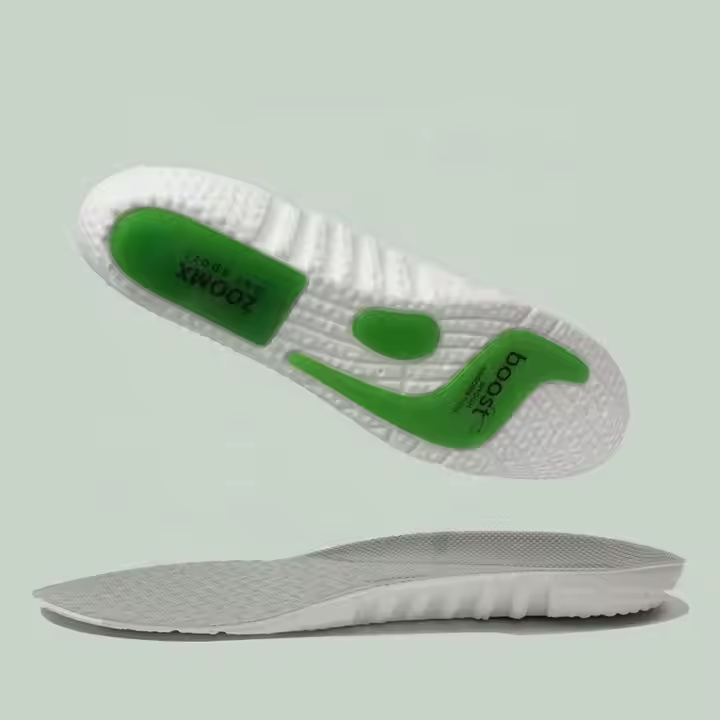
Discover the best insoles for running shoes designed for impact protection and energy return. Engineered to enhance arch support, reduce fatigue, and improve alignment during long-distance runs, trail sessions, and daily training.
When to Consider Sports Insoles: Support, Comfort, and Injury Prevention
A Comprehensive Guide to Maximizing Athletic Performance and Protecting Your Feet
Table of Contents
Introduction: The Role of Sports Insoles
Sports insoles are specialized orthotic inserts designed to enhance athletic performance while providing crucial support and protection. Unlike standard shoe insoles, sports-specific versions are engineered to withstand intense physical activities and address the unique demands of various sports.
Core Functions of Sports Insoles:
- Shock Absorption during high-impact activities
- Arch Support for proper foot alignment
- Pressure Redistribution to prevent hot spots
- Improved Stability for better balance and control
- Moisture Management to keep feet dry during intense workouts
Key Indicators You Need Sports Insoles
1. Recurring Pain or Discomfort
If you experience consistent foot pain, shin splints, or knee discomfort during or after physical activity, your footwear may lack adequate support.
2. Specific Foot Conditions
Individuals with flat feet, high arches, plantar fasciitis, or overpronation often benefit significantly from customized support.
3. Increased Training Intensity
As you increase mileage, intensity, or frequency of workouts, the demand on your feet grows. Sports insoles help manage this increased load.
4. Previous Injuries
If you've had foot, ankle, or lower limb injuries, proper support can prevent re-injury and aid in safer recovery.
5. Uneven Wear Patterns
Check your athletic shoes. If you notice uneven sole wear, it indicates improper foot mechanics that insoles can correct.
Primary Benefits of Sports Insoles
Enhanced Performance
Proper alignment and support improve energy transfer, leading to more efficient movement and potentially better athletic results.
Injury Prevention
By correcting biomechanical issues, insoles reduce stress on joints, tendons, and ligaments, lowering injury risk.
Extended Comfort
Quality insoles provide superior cushioning, allowing longer, more comfortable training sessions.
Footwear Enhancement
Even high-quality athletic shoes often have generic insoles. Upgrading to sports-specific insoles maximizes your shoe's potential.


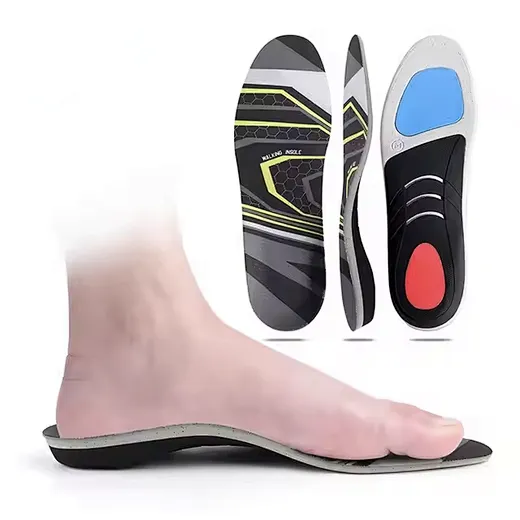
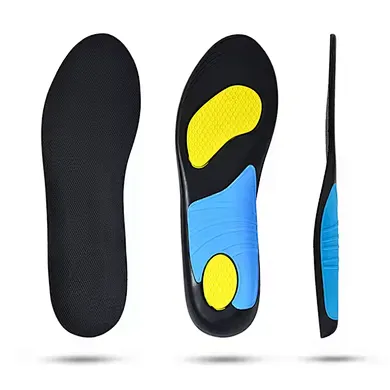
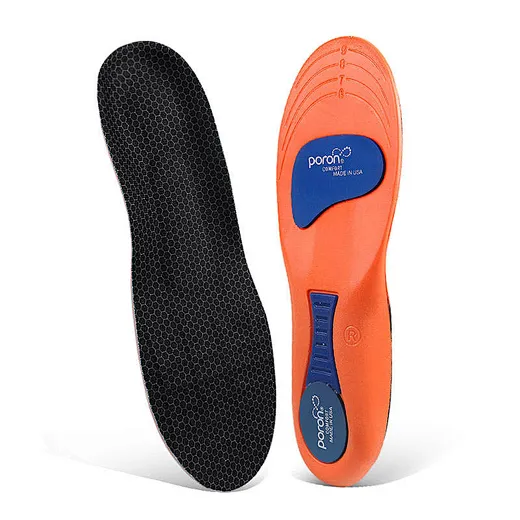
This sports insole, crafted from a combination of PU and gel, is designed to significantly enhance athletic performance. It offers a soft, comfortable feel with excellent shock absorption and effective energy return. The U-shaped heel cup locks the heel in place for stability, while the anti-slip stripe pattern helps prevent injuries during movement. The moisture-wicking fabric, coupled with strategic breathable perforations, keeps feet dry and comfortable, making it the ideal choice for any sport.
Sport-Specific Insole Recommendations
Running and Jogging
Look for insoles with maximum shock absorption in the heel and forefoot, plus firm arch support to control pronation.
Basketball and Volleyball
Prioritize lateral stability and cushioning for jumping and quick directional changes.
Soccer and Football
Choose thinner, flexible insoles that don't compromise ball feel while still providing arch support and impact protection.
Hiking and Trail Sports
Opt for insoles with rigid arch support and moisture-wicking properties for uneven terrain and long durations.
Cycling
Select stiff insoles with metatarsal support to maximize power transfer and prevent hot spots.
Expert Insights: When to Make the Investment
"The most common mistake athletes make is waiting until they have significant pain before considering sports insoles. Think of them as preventive equipment, much like a helmet in cycling. If you're training more than 3 times per week, participating in high-impact sports, or have any existing foot conditions, sports insoles should be part of your standard gear. The right insole can improve performance by 5-10% while reducing injury risk by up to 40%."
Dr. Rebecca Simmons
Sports Podiatrist & Biomechanics Specialist
15+ years working with professional athletes
Professional Recommendations:
- Consider insoles if you experience fatigue in your feet or legs during the latter part of workouts
- Get a gait analysis if you're serious about performance optimization
- Replace sports insoles every 6-12 months depending on usage intensity
- Combine insoles with proper footwear selection for maximum benefit
FAQs About Sports Insoles
Are custom orthotics better than over-the-counter sports insoles?
For most recreational athletes, high-quality over-the-counter sports insoles provide sufficient support. Custom orthotics are typically recommended for specific medical conditions, significant biomechanical issues, or professional athletes with unique requirements.
Can I use the same insoles for different sports?
While possible, it's not ideal. Different sports have different demands. Sport-specific insoles are optimized for particular movements and impacts. At minimum, consider having separate insoles for high-impact vs. low-impact activities.
How do I know if my sports insoles are working properly?
Signs of effective insoles include reduced pain, less fatigue during and after activity, improved comfort, and potentially better performance. Give new insoles 2-3 weeks of adjustment time.
Do sports insoles make shoes too tight?
Quality sports insoles are designed to fit within standard athletic shoes without crowding. If your shoes are already snug, you may need to size up slightly or choose thinner insole options specifically designed for tight-fitting footwear.
When should children or teens use sports insoles?
Young athletes participating in competitive sports or experiencing growth-related pains may benefit from sports insoles. Consult a pediatric podiatrist for appropriate recommendations.
Conclusion: Making the Right Decision
Sports insoles represent a smart investment in both athletic performance and long-term foot health. By providing targeted support, enhancing comfort, and preventing injuries, they can transform your training experience and competitive edge.
The optimal time to consider sports insoles is before problems become severe. Listen to your body, assess your activity patterns, and don't hesitate to consult with sports medicine professionals. Remember that proper foot support is foundational to overall athletic success and injury prevention.


Are Performance Insoles Only for Athletes? The Truth Revealed Discover How High-Tech Shoe Inserts Benefit Everyone From Office Workers to Weekend Warriors
The Key Feature of a Sports Shoe Insole: Support, Cushioning, or Fit?