What Are the Key Features of Good Orthotic Insoles? A Complete Guide to Superior Foot Support

Find relief with the best insoles for metatarsal pain.Our orthotic designs feature metatarsal pads and arch support to redistribute pressure,cushion the ball of your foot,and alleviate discomfort during walking or standing.Experience targeted pain relief.
What Are the Key Features of Good Orthotic Insoles? A Complete Guide to Superior Foot Support
Table of Contents
- Understanding Orthotic Insoles
- Feature 1: Precise Arch Support
- Feature 2: Contoured Heel Cup Design
- Feature 3: High-Quality Material Composition
- Feature 4: Strategic Pressure Redistribution
- Feature 5: Biomechanical Correction
- Feature 6: Breathability and Moisture Management
- Feature 7: Durability and Structural Integrity
- Expert Perspective on Orthotic Selection
- Frequently Asked Questions About Orthotic Insoles
- Conclusion: Investing in Your Foundation
Understanding Orthotic Insoles: Beyond Basic Cushioning
Orthotic insoles are medical-grade devices designed to correct biomechanical foot issues, improve alignment, and alleviate pain. Unlike generic cushioned inserts, they are engineered to address specific anatomical problems. Their primary purpose is to provide structural support, realign the foot and lower limbs, and distribute pressure evenly across the plantar surface.
Feature 1: Precise Arch Support
The Foundation of Stability
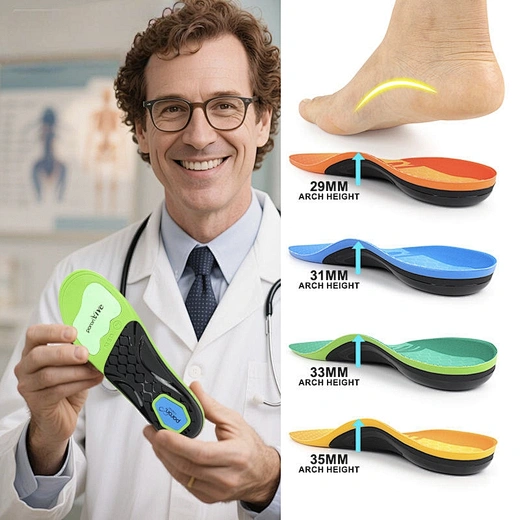
The arch is the fundamental shock absorber of the foot. Good orthotic insoles provide precise, contoured arch support that matches the user's specific arch type—whether neutral, high (pes cavus), or low (flat feet). This support is not merely about elevation; it's about creating a stable platform that prevents excessive pronation (inward rolling) or supination (outward rolling). The arch support should be firm yet comfortable, maintaining its shape under body weight to effectively control foot motion throughout the gait cycle.
Subtypes of Arch Support
Rigid Orthotics
Typically made from carbon fiber or rigid plastics, these are designed for motion control and are often prescribed for severe overpronation or specific conditions like plantar fasciitis. They are best used in sturdy shoes.
Semi-Rigid Orthotics
Made from layered materials like EVA foam with a supportive shell, these offer a balance of support and cushioning, suitable for athletic activities and everyday wear.
Soft Orthotics
Constructed from compressive materials, they provide cushioning and mild support, ideal for diabetic foot care, arthritic conditions, or sensitive feet.
Feature 2: Contoured Heel Cup Design
Securing the Heel, Aligning the Body
A deep, contoured heel cup is a non-negotiable feature of quality orthotics. Its functions are threefold: First, it stabilizes the heel bone (calcaneus), preventing lateral movement that can lead to instability. Second, it helps absorb the initial impact shock when the heel strikes the ground. Third, and most importantly, proper heel alignment sets the stage for correct alignment of the ankles, knees, hips, and lower back. A shallow or flat heel seat fails to provide this essential control, rendering the insole less effective.
Feature 3: High-Quality Material Composition
The Science Behind the Support
Material choice dictates performance, comfort, and longevity. A multi-layer construction is standard in premium orthotics:
- Top Cover: A moisture-wicking, breathable fabric (often with antimicrobial treatment) to keep feet dry and prevent blistering.
- Cushioning Layer: Often made from viscoelastic polymers (memory foam) or porometric materials that adapt to the foot's shape and provide targeted cushioning.
- Supportive Core: This is the "engine" of the orthotic, usually made from a firm yet flexible material like polypropylene, fiberglass, or carbon fiber. It provides the structural integrity for arch support and motion control.
- Base Layer: A durable, low-friction material that sits against the shoe bed.
Feature 4: Strategic Pressure Redistribution
Eliminating Hot Spots
Poorly distributed pressure leads to pain in the ball of the foot (metatarsalgia), heels, and other areas. Effective orthotics incorporate features like metatarsal pads, retro-capital bars, or variable-density foam to offload pressure from sensitive or painful areas. By redistributing weight more evenly across the entire foot, they prevent the formation of calluses and reduce pain from conditions like Morton's neuroma.
Feature 5: Biomechanical Correction
Addressing the Root Cause
This is what separates true orthotics from simple cushions. Good orthotics are designed with specific posting—angled wedges built into the device. Medial posting (on the inner side) helps control overpronation. Lateral posting (on the outer side) addresses supination. This controlled correction helps normalize the gait pattern, reducing strain not just on the feet, but also on the ankles, knees, and hips.
Feature 6: Breathability and Moisture Management
Promoting a Healthy Foot Environment
An orthotic will be worn for hours; therefore, it must manage the microclimate inside the shoe. High-quality orthotics use open-cell foams, aerated materials, and breathable top covers to allow heat and sweat vapor to escape. Antimicrobial treatments inhibit the growth of odor- and infection-causing bacteria and fungi, which is crucial for long-term foot health and device hygiene.
Feature 7: Durability and Structural Integrity
Built to Last
A good orthotic insole must retain its supportive properties over months of daily use. The supportive core should resist permanent deformation or "bottoming out." The layers should be bonded securely to prevent delamination. While cushioned top layers may compress over time (indicating the need for replacement), the underlying support structure should remain intact to continue providing biomechanical correction.
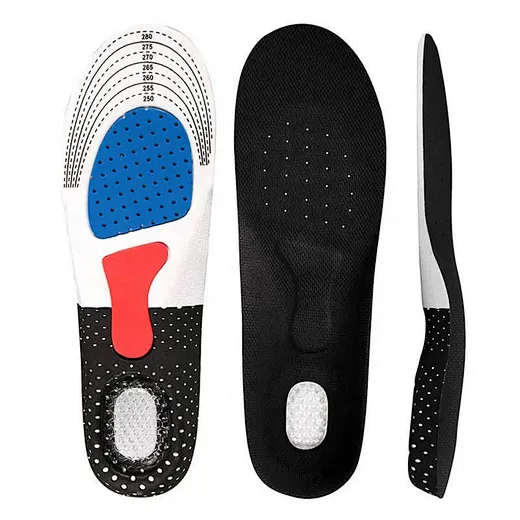
Here are three highly recommended sports insoles, each designed with unique materials and features to cater to different needs and preferences.
The first insole is crafted from durable and flexible PU (Polyurethane), offering a balanced combination of comfort and support. It is particularly family-friendly as it is available in children’s sizes, making it an excellent choice for young athletes or active kids who need reliable foot support during sports or daily activities. Its lightweight nature and cushioning properties help reduce impact, promoting healthier foot development and comfort throughout the day.
The second option is a half-length insole made from a blend of PU and TPU (Thermoplastic Polyurethane). This design focuses on providing targeted support to the forefoot and arch while allowing natural flexibility in the heel area. The TPU enhances durability and stability, making it ideal for athletic shoes or casual wear where you want added comfort without a full insole. It’s perfect for those who prefer a minimalist feel or need extra room in the toe box, offering a snug yet non-restrictive fit.
The third insole stands out with its heat-moldable corrective design, constructed from EVA (Ethylene-Vinyl Acetate) and thermoplastic materials. This innovative product can be custom-fitted at home using heat—such as from a hairdryer—to mold precisely to the wearer’s foot contours. It is especially beneficial for individuals seeking orthotic-like support, helping to address issues like overpronation, plantar fasciitis, or general foot fatigue. The combination of cushioning EVA and formable thermoplastic provides both immediate comfort and long-term postural alignment, making it a versatile solution for sports recovery and everyday wellness.
Whether you’re looking for everyday comfort, targeted support, or personalized correction, one of these insoles is sure to meet your needs and enhance your footwear experience.


Expert Perspective on Orthotic Selection
Dr. Anya Sharma, a board-certified podiatrist and biomechanics researcher, emphasizes a holistic approach: "The single most important feature is appropriate biomechanical control tailored to the individual. A device with perfect cushioning but poor control will fail to treat the underlying problem. I always recommend a professional assessment first. For over-the-counter options, look for insoles that specify your arch type and offer a deep heel cup with firm, multi-layered construction. Remember, the goal is not just comfort, but sustainable correction."
Frequently Asked Questions About Orthotic Insoles
How do I know if I need orthotic insoles?
Common indicators include chronic foot, ankle, knee, or lower back pain; excessive or uneven wear on your shoes; foot fatigue after short periods of standing or walking; or diagnosed conditions like plantar fasciitis, flat feet, or bunions.
What is the difference between custom and over-the-counter orthotics?
Custom orthotics are prescribed by a podiatrist and fabricated from a 3D scan or cast of your foot. They address complex, specific biomechanical issues. Over-the-counter orthotics are pre-fabricated based on common arch types and foot shapes. They are excellent for mild to moderate issues and are a more accessible starting point.
How long do orthotic insoles typically last?
This depends on materials, usage, and body weight. High-quality over-the-counter orthotics often last 6-12 months. Custom orthotics, with their durable shells, can last 2-5 years, though the top cover may need replacement more frequently.
Can I transfer one pair of orthotics between different shoes?
Yes, if the shoes have a similar heel height and a removable insole. Orthotics function best in shoes with a firm heel counter and adequate depth. They are less effective in very flexible shoes like sandals or high heels, where specialized orthotics may be needed.
Is there a break-in period for new orthotics?
Absolutely. Start by wearing them for 1-2 hours per day, gradually increasing usage over 1-2 weeks. This allows your feet and body to adapt to the new alignment. Mild initial discomfort is normal, but sharp pain is not and warrants consultation.
Conclusion: Investing in Your Foundation
Good orthotic insoles are defined by a synergistic combination of precise arch support, a stabilizing heel cup, durable multi-layer materials, strategic pressure mapping, and genuine biomechanical correction. They are an investment in your foundational health, with benefits that can ripple upward through your entire kinetic chain. While over-the-counter options offer significant relief for many, a professional evaluation is invaluable for persistent or complex issues. By prioritizing these key features, you can select a device that moves beyond mere comfort to actively promote long-term foot health, stability, and pain-free mobility.


7 Signs You Need Supportive Insoles for Better Foot Health
Can Orthotic Insoles Help Relieve Plantar Fasciitis Pain?