Are Comfort Insoles Enough for Everyday Wear? Unpacking the Truth

Discover the best inserts for standing all day to combat foot fatigue and improve posture. Our ergonomic designs provide targeted arch support and cushioning for hard floors, ideal for healthcare, retail, and service professionals seeking all-day relief.
Are Comfort Insoles Enough for Everyday Wear? Unpacking the Truth
Table of Contents
Defining Comfort Insoles: More Than Just a Cushion
Comfort insoles, often found on store shelves or included with new shoes, are mass-produced inserts designed to provide a baseline level of cushioning. They are typically made from materials like basic foam, gel pods, or soft fabric layers. Their primary stated purpose is to make shoes feel softer from the first step. For many people with no underlying foot conditions and relatively low daily activity demands, these can offer a satisfactory, short-term comfort boost. They act as a simple barrier between your foot and the often rigid, unforgiving sole of a shoe.
The Multifaceted Roles of Insoles in Daily Life
To understand if basic insoles are sufficient, we must first appreciate what we ask of them during everyday wear. An insole's job extends far beyond simple cushioning.
1. Shock Absorption and Pressure Distribution
Every step creates an impact force that travels up your body. A good insole helps dissipate this shock, protecting not just your feet but also your ankles, knees, hips, and lower back. It also spreads your body weight more evenly across your foot, preventing hot spots and concentrated pressure on the heel or ball of the foot.
2. Arch Support and Biomechanical Alignment
This is where basic insoles often fall short. The arch of your foot is a critical structural element. Proper arch support maintains the foot's natural alignment, which in turn stabilizes your entire leg. Lack of support can lead to overpronation (rolling inward) or supination (rolling outward), causing a chain reaction of strain.
3. Stability and Balance Enhancement
By cradling the heel and supporting the arch, a quality insole creates a more stable platform. This enhances balance, which is crucial for preventing slips and falls, especially for older adults or those on their feet all day.
4. Moisture Management and Temperature Regulation
Daily wear means sweat. Good insoles incorporate moisture-wicking materials and breathable designs to keep feet dry, reducing the risk of blisters, fungal infections, and odor.
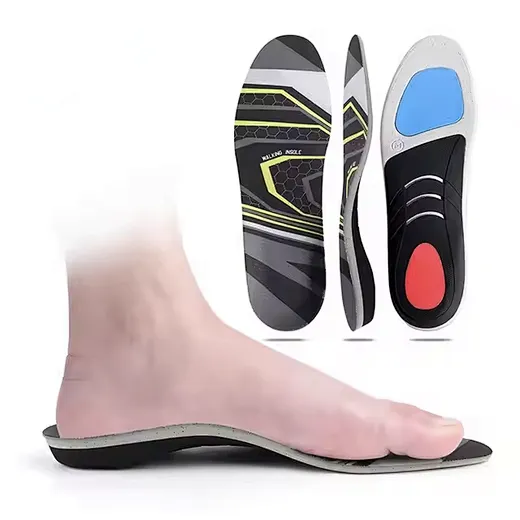
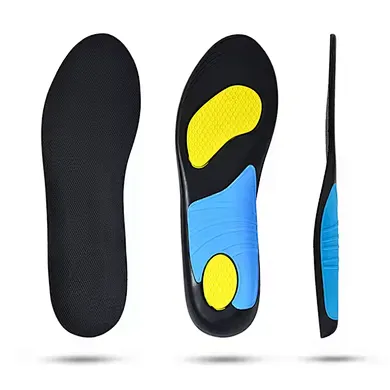
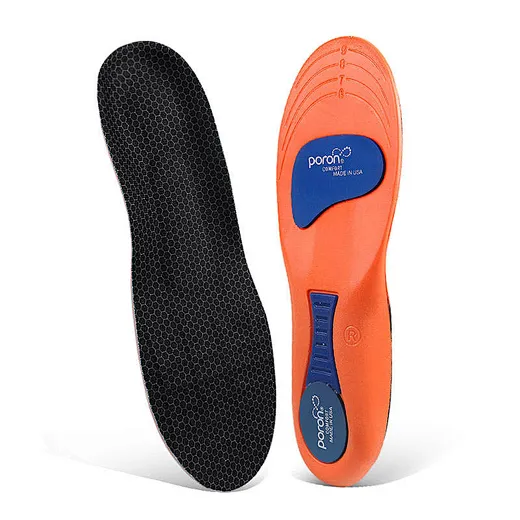
Today, I’d like to introduce three standout options, each designed with different materials to meet specific comfort and functional needs.
The first insole features a PU + BK cloth construction, offering a balanced blend of softness and resilience. The polyurethane (PU) base provides excellent cushioning and shock absorption with every step, while the breathable BK cloth top layer ensures airflow to keep your feet cool and dry. Whether you're walking, standing, or on the move, this combination delivers lasting comfort and reliable support, making it ideal for everyday wear.
Next up is the GEL + memory foam model, perfect for those seeking personalized comfort and superior pressure relief. The responsive gel layer absorbs impact effectively, reducing strain on your feet and joints, while the memory foam conforms uniquely to the shape of your foot over time. Together, they create a custom-fit feel that adapts to your movements, offering exceptional comfort during long hours of wear—whether at work, on a trip, or during light exercise.
Lastly, for those in need of a hygienic, convenient option, the non-woven fabric + pulp insole serves as a practical disposable choice. Made from soft yet sturdy non-woven fabric paired with absorbent pulp, this lightweight design helps manage moisture and odor effectively. It’s an ideal solution for situations where freshness is key—think travel, gym sessions, or shoe trials—providing a clean, comfortable feel that you can easily replace as needed.


The Inherent Limits of Basic Comfort Insoles
While they provide initial softness, standard comfort insoles have significant limitations for sustained everyday use:
- One-Size-Fits-All Design: They do not account for individual arch height (high, neutral, or flat), foot width, or specific pressure points.
- Rapid Material Breakdown: The foam and gel composites compress quickly, often within a few months of regular use, losing their cushioning and support properties entirely.
- Lack of Targeted Support: They offer generic, often insufficient arch support, failing to correct or accommodate biomechanical issues that many people have without realizing it.
- Poor Durability: Designed as a consumable product, they lack the robust construction of performance or orthotic insoles.
Essentially, they are a passive cushion rather than an active support system.
When to Upgrade: Key Indicators Basic Insoles Aren't Enough
Listen to your body. These signs suggest your everyday comfort insoles are inadequate:
- Foot fatigue or aching sets in before the end of the day, especially in the arches or heels.
- You experience recurrent pain in your feet, shins, knees, or lower back.
- You find yourself constantly replacing insoles every 2-3 months due to flattening.
- You have a diagnosed condition like plantar fasciitis, flat feet (pes planus), or bunions.
- Your shoes wear out unevenly, indicating a gait issue that unsupported insoles can't address.
- You spend most of your day standing or walking on hard surfaces (concrete, tile).
Expert Viewpoint: The Podiatrist's Perspective
"While over-the-counter comfort insoles can offer symptomatic relief for minor, occasional discomfort, they are often a temporary band-aid. For true everyday wear, especially for individuals who are on their feet for more than four hours a day, I recommend looking at prefabricated orthotic insoles with structured arch support and a deep heel cup. These provide biomechanical correction and are designed for durability. The goal should be to support the foot's structure, not just cushion its underside. For persistent pain or specific deformities, a custom orthotic is the gold standard, as it is tailored to the unique architecture of an individual's foot."
– Dr. Alisha Carter, DPM
Board-Certified Podiatrist & Sports Medicine Specialist
Choosing the Right Insole for Your Everyday Life
Selecting the appropriate insole is a step towards long-term foot health.
For Low to Moderate Activity (Basic Comfort Seekers):
A quality over-the-counter cushioned insole with mild arch support may suffice. Look for brands that offer different arch profiles (low, medium, high).
For All-Day Standing or Walking (Active Individuals):
Upgrade to semi-rigid orthotic insoles. These feature a firmer arch support (often made from thermoplastic), a contoured heel cradle, and higher-density cushioning. They are designed for all-day wear and biomechanical stability.
For Specific Conditions or Discomfort:
Consult a healthcare professional. Custom orthotics or condition-specific OTC insoles (e.g., for plantar fasciitis with a robust heel pad) are necessary to address the root cause of pain.
Material Matters:
Prioritize durable materials like high-density EVA foam, poron, or carbon fiber reinforcements for support over simple memory foam, which breaks down rapidly.
Frequently Asked Questions (FAQs)
1. How long should comfort insoles last for everyday wear?
Basic foam/gel comfort insoles typically last 3-6 months with daily use before losing support. Higher-quality prefabricated orthotics can last 9-18 months.
2. Can I just buy the most cushioned insole available?
Not necessarily. Excessive, unsupportive cushioning can be as problematic as no cushioning. It can allow your foot to sink and roll abnormally. The key is a balance of supportive structure and targeted cushioning.
3. Are insoles from my shoe brand good enough?
Insoles that come standard with shoes are usually very basic "sock liners" designed to fill space, not provide support. They are the first component you should consider upgrading for better comfort and health.
4. Do I need different insoles for different types of everyday shoes?
Often, yes. A dress shoe has less volume than an athletic shoe. Many brands offer low-profile insoles for dress shoes and full-profile versions for sneakers and boots. The support type (e.g., arch height) should remain consistent.
5. When is it absolutely necessary to see a professional?
If you experience sharp, persistent pain, numbness, tingling, or have a diagnosed foot deformity or systemic condition like diabetes or severe arthritis, consult a podiatrist or pedorthist before choosing an insole.
Conclusion: Beyond Basic Comfort
Are comfort insoles enough for everyday wear? For a subset of the population with ideal foot mechanics and low physical demands, they can provide a satisfactory short-term solution. However, for the vast majority of adults leading active lives, basic comfort insoles are insufficient for long-term foot health and overall comfort. They lack the durable, supportive architecture needed to truly protect your feet and body from the cumulative stress of daily life.
Investing in a higher-quality, supportive insole tailored to your foot type and lifestyle is an investment in your mobility and well-being. View insoles not as a disposable accessory, but as a critical component of your footwear—a foundational piece of support that enables you to move through your day with greater ease and less pain. Start by assessing your needs, consider the expert advice, and choose an insole that actively supports you, rather than one that simply cushions your steps temporarily.


Best Shoe Insoles for Long-Term Standing Work: A Complete Guide
Gel Insoles: Are They Worth It? A Look at the Benefits and Drawbacks