How to Avoid Plantar Fasciitis:Effective Prevention Strategies and the Role of Supportive Insoles
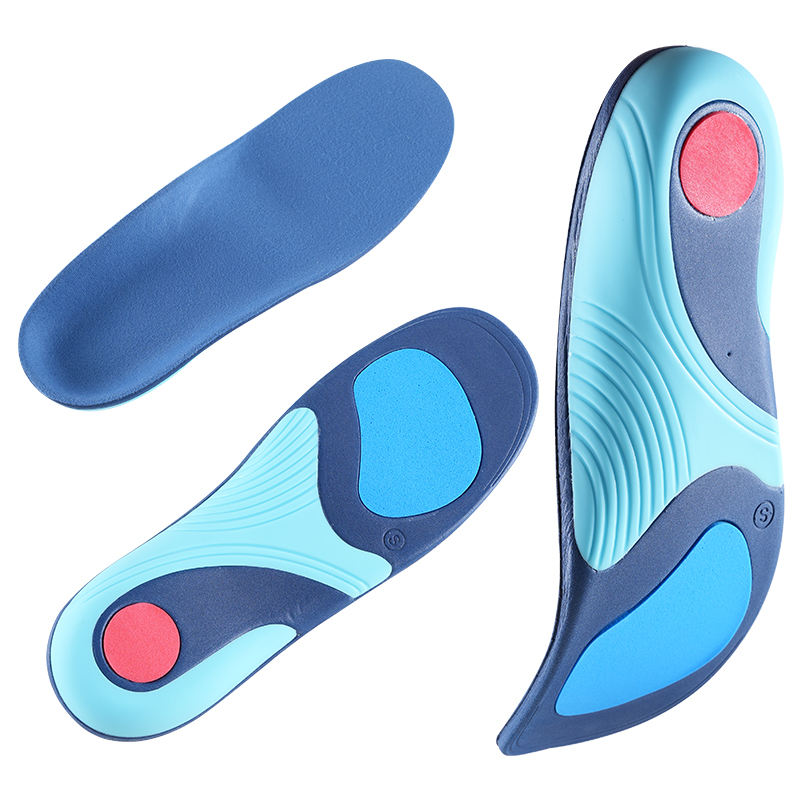
Find lasting relief with the best inserts for foot pain! Our podiatrist-recommended orthotics provide targeted arch support, heel cushioning & pressure redistribution. Effective for plantar fasciitis, heel spurs & general discomfort.
How to Avoid Plantar Fasciitis:Effective Prevention Strategies and the Role of Supportive Insoles
Table of Contents
Understanding Plantar Fasciitis
Plantar fasciitis is one of the most common causes of heel pain, involving inflammation of the thick band of tissue (the plantar fascia) that runs across the bottom of your foot and connects your heel bone to your toes. This condition typically causes stabbing pain that usually occurs with your first steps in the morning or after long periods of rest.
Plantar fasciitis affects approximately 10% of people at some point in their lives, with runners, overweight individuals, and those who spend long hours on their feet being particularly susceptible.
Risk Factors and Early Warning Signs
Common Risk Factors
- Age: Most common between 40 and 60 years
- Certain types of exercise: Activities that place stress on the heel
- Foot mechanics: Flat feet, high arches, or abnormal walking patterns
- Obesity: Excess weight puts added stress on the plantar fascia
- Occupations: Jobs that require long hours standing or walking on hard surfaces
- Improper footwear: Shoes with poor arch support or soft soles
Early Warning Signs
- Sharp pain in the bottom of your heel
- Pain that's worse in the morning or after sitting for long periods
- Pain that improves with movement but returns after prolonged activity
- Tenderness when pressing on the bottom of your heel
Prevention Strategies
Footwear Choices
Choosing proper footwear is your first line of defense against plantar fasciitis. Look for shoes with:
- Adequate arch support to distribute pressure evenly
- Firm heel counters to stabilize the foot
- Shock-absorbing soles to reduce impact
- Proper fit with enough room for your toes
Stretching and Strengthening Exercises
Regular stretching can help maintain flexibility in your Achilles tendon and plantar fascia:
- Calf stretches: Lean against a wall with one leg straight and the other bent
- Plantar fascia stretch: Sit down and pull your toes toward your shin
- Towel curls: Place a towel on the floor and scrunch it with your toes
- Marble pickups: Use your toes to pick up marbles from the floor
Lifestyle Modifications
- Maintain a healthy weight to reduce stress on your feet
- Gradually increase activity levels to avoid overuse injuries
- Alternate high-impact activities with low-impact exercises
- Avoid walking barefoot on hard surfaces
The Role of Supportive Insoles
Orthotic insoles play a crucial role in preventing plantar fasciitis by providing the support your feet need to maintain proper alignment and absorb shock effectively.
Arch Support
Properly contoured arch support helps distribute pressure evenly across your foot, reducing strain on the plantar fascia.
Shock Absorption
Quality insoles cushion your feet from impact, especially important when walking or running on hard surfaces.
Improved Alignment
Insoles can correct biomechanical issues like overpronation that contribute to plantar fasciitis.
How Insoles Help Prevent Plantar Fasciitis
When you use supportive insoles, you're essentially providing your feet with a custom-fit foundation that:
- Reduces tension on the plantar fascia ligament
- Minimizes impact with each step you take
- Promotes proper foot alignment during movement
- Distributes pressure more evenly across your feet
Important: While over-the-counter insoles can be effective for prevention and mild cases, individuals with severe biomechanical issues may require custom orthotics prescribed by a podiatrist.
Choosing the Right Insoles
Key Features to Look For
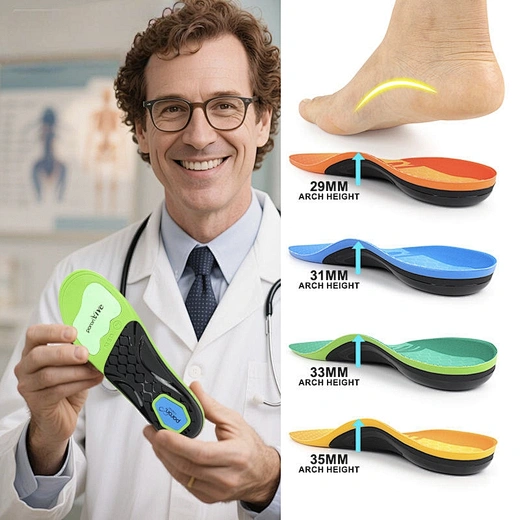
- Arch type compatibility: Match the insole to your foot arch (low, medium, or high)
- Material quality: Look for durable, supportive materials like EVA foam or gel
- Heel cup design: A deep heel cup helps stabilize the foot
- Breathability: Moisture-wicking properties keep feet dry and comfortable
Types of Insoles for Prevention
Cushioning Insoles
These focus primarily on shock absorption and are ideal for people who spend long hours on their feet.
Supportive/Orthotic Insoles
These provide structured support to correct alignment issues and are best for those with flat feet or overpronation.
Heat-Moldable Insoles
These can be customized to your foot shape for a more personalized fit and support.
Expert Advice on Prevention
"Preventing plantar fasciitis requires a multifaceted approach. While proper stretching and footwear are essential, I consistently recommend quality orthotic insoles to my patients—especially those with risk factors. The right insole can redistribute pressure away from the plantar fascia, significantly reducing the likelihood of developing this painful condition."
— Dr. Sarah Johnson, DPM, Sports Medicine Podiatrist
Additional Expert Recommendations
- Replace your athletic shoes every 300-500 miles or every 6 months
- Incorporate foot-strengthening exercises into your routine 2-3 times per week
- Consider night splints if you experience significant morning pain
- Listen to your body—don't ignore early warning signs of foot discomfort
Frequently Asked Questions
Can insoles really prevent plantar fasciitis?
Yes, when chosen correctly. Supportive insoles can significantly reduce your risk by providing proper arch support, cushioning impact, and promoting better foot alignment—all factors that reduce strain on the plantar fascia.
How do I know if I need insoles for prevention?
Consider preventive insoles if you have risk factors like flat feet, high arches, a job requiring prolonged standing, or if you're increasing your activity level. Early signs of foot fatigue or discomfort also indicate that insoles might be beneficial.
Are custom orthotics better than over-the-counter insoles for prevention?
For most people, high-quality over-the-counter insoles are sufficient for prevention. Custom orthotics are typically reserved for those with specific biomechanical issues or who haven't found relief with OTC options.
How often should I replace my insoles?
Most supportive insoles should be replaced every 6-12 months, depending on use. Signs that you need new insoles include visible wear, loss of cushioning, or return of foot discomfort.
Can I use the same insoles in different shoes?
Yes, as long as they fit properly in each shoe. Some people choose to have multiple pairs for different types of footwear (athletic shoes, work shoes, etc.).
Conclusion
Take Proactive Steps for Healthy Feet
Preventing plantar fasciitis is far easier than treating it. By combining proper footwear, regular stretching, lifestyle modifications, and supportive insoles, you can significantly reduce your risk of developing this painful condition.
Remember that quality insoles are not just for treatment—they're a valuable preventive tool that provides the foundation your feet need to stay healthy and pain-free. Invest in your foot health today to ensure you stay active and comfortable for years to come.


What Are the Functions of Orthopedic Insoles? A Comprehensive Guide
Can Flat Feet Be Corrected in Adults? Understanding Treatment Options