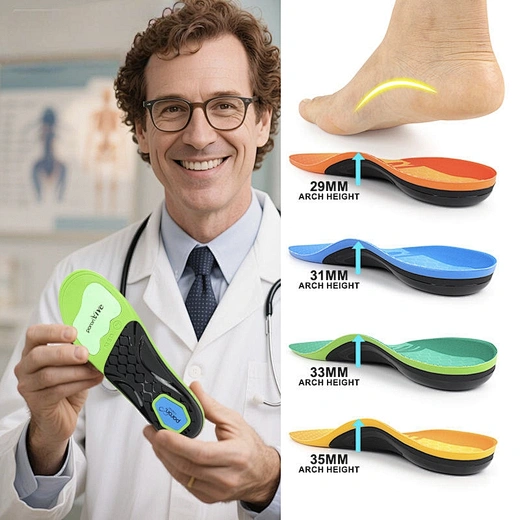
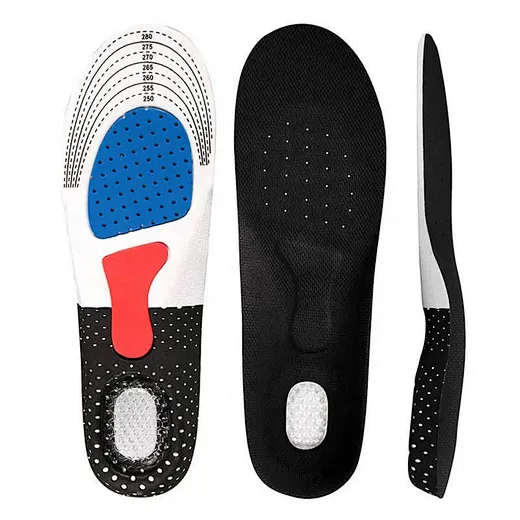
What Is a Good Insole for Flat Feet? Choosing the Right Support for Arch Relief
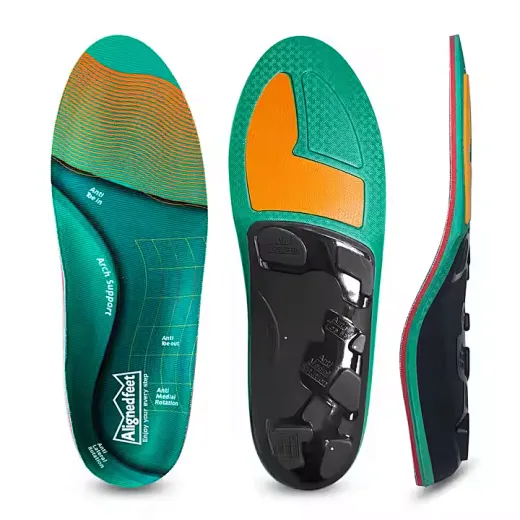
Find the best inserts for flat feet to relieve pain & improve arch support! Our orthotic insoles reduce fatigue, enhance stability, and provide all-day comfort. Perfect for walking, running, or work.
What Is a Good Insole for Flat Feet? Choosing the Right Support for Arch Relief
Table of Contents
- Why Flat Feet Need Specialized Insoles
- Key Features of Effective Flat Feet Insoles
- Top Insole Recommendations for Flat Feet
- Expert Advice on Managing Flat Feet
- FAQs About Insoles for Flat Feet
- Conclusion
Why Flat Feet Need Specialized Insoles
Flat feet (or fallen arches) lack the natural arch curvature, leading to overpronation—an inward rolling of the foot during movement. This strains muscles, tendons, and joints, causing pain in the feet, knees, or lower back. **Flat feet insoles** counteract this by:
- Providing artificial arch support to align the foot properly.
- Reducing stress on the plantar fascia and Achilles tendon.
- Improving balance and stability during walking or standing.
Key Features of Effective Flat Feet Insoles
1. Rigid Arch Support
A firm, contoured arch prevents overpronation and redistributes weight evenly across the foot.
2. Heel Cup Design
A deep heel cradle stabilizes the foot and minimizes excessive movement.
3. Cushioning Material
Layered EVA foam or gel absorbs shock on hard surfaces.
4. Customizability
Heat-moldable or trimmable insoles adapt to individual foot shapes.


Top Insole Recommendations for Flat Feet
Best Overall: Orthotic Arch Support Insoles
Brands like Powerstep Pinnacle offer semi-rigid support with a balanced mix of cushioning and stability.
Best for Active Lifestyles: Superfeet Green
Designed for runners and hikers, these insoles feature a high-density foam arch to control overpronation.
Best Budget Option: Dr. Scholl’s Flat Feet Insoles
Affordable yet effective, these provide moderate arch support for daily wear.
Expert Advice on Managing Flat Feet
Dr. Lisa Monroe, a podiatrist specializing in biomechanics, explains: "Flat feet insoles must prioritize motion control. Without proper arch support, the foot’s instability can lead to chronic conditions like plantar fasciitis." She recommends:
- Avoid soft, unsupportive insoles that collapse under pressure.
- Combine insoles with strengthening exercises for the foot and calf muscles.
- Replace insoles every 6–12 months to maintain effectiveness.
FAQs About Insoles for Flat Feet
1. Can insoles cure flat feet?
No, but they alleviate symptoms and prevent complications. Flat feet are usually a lifelong structural trait.
2. Are custom orthotics better than over-the-counter insoles?
For severe cases, custom orthotics offer precise support. Mild to moderate flat feet often benefit from high-quality OTC options.
3. How do I know if my insoles are working?
Look for reduced pain after 2–4 weeks of use and improved alignment during walking.
4. Can I use flat feet insoles for running?
Yes—choose sports-specific insoles with rigid arch support and shock absorption.
Conclusion
A good insole for flat feet combines rigid arch support, heel stabilization, and durable cushioning to counteract overpronation and enhance comfort. Whether you’re tackling daily tasks or intense workouts, the right insoles can transform your foot health. Always consult a podiatrist to tailor solutions to your specific needs and lifestyle.


High Arch Support Insoles: Enhance Comfort and Prevent Injuries
What Insoles Are Good for Flat Feet? The Ultimate Guide