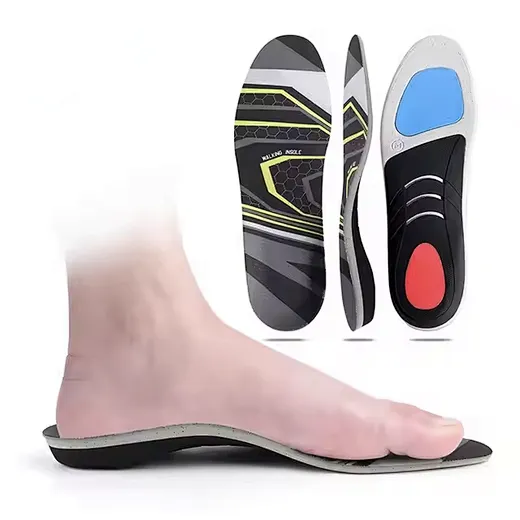
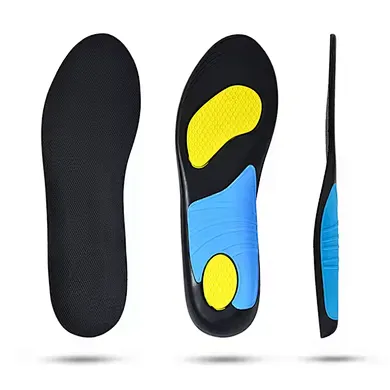
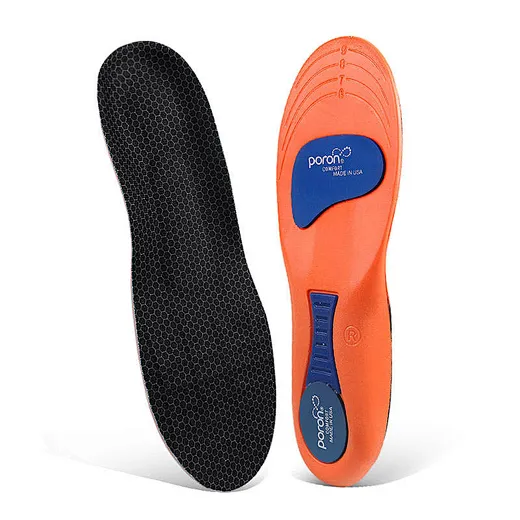
Athletic Insoles: Elevate Your Game and Protect Your Feet

Maximize performance with premium athletic insoles! Designed for runners, gym workouts & sports, our inserts provide arch support, shock absorption & energy return. Reduce fatigue, prevent injuries & enhance comfort during high-impact activities.
Athletic Insoles: Elevate Your Game and Protect Your Feet
Table of Contents
- What Are Athletic Insoles?
- The Science Behind Athletic Insoles
- Key Benefits for Athletes
- Types of Athletic Insoles
- Sport-Specific Insole Solutions
- How to Choose Your Athletic Insoles
- Expert Insights: The Performance Edge
- FAQs About Athletic Insoles
- Conclusion
What Are Athletic Insoles?
Athletic insoles are specialized shoe inserts engineered to optimize biomechanics during sports activities. Unlike generic insoles, they provide targeted solutions for:
- Impact absorption during high-intensity movements
- Biomechanical alignment for efficient force transfer
- Injury prevention by reducing stress on joints
Used by professionals and amateurs alike, they bridge the gap between footwear and foot function.
The Science Behind Athletic Insoles
Biomechanics of Athletic Movement
During sports, feet endure forces 3-8 times body weight. Athletic insoles modify three critical phases:
- Heel strike: Absorb shock with cushioning materials
- Midstance: Stabilize arches to prevent collapse
- Toe-off: Enhance propulsion through rigid forefoot plates
Material Technology
Advanced composites create the athlete's trifecta:
- EVA foam for lightweight cushioning
- Carbon fiber for responsive energy return
- Medical-grade gels for targeted pressure relief
Key Benefits for Athletes
Performance Enhancement
- 3-5% energy savings through efficient force transfer
- Improved agility from better ground contact
- Enhanced balance during directional changes
Injury Prevention
- Reduce plantar fasciitis risk by 27% (Journal of Sports Medicine)
- Prevent stress fractures through shock dispersion
- Minimize ankle sprains with improved stability
Recovery Acceleration
- Decrease muscle fatigue by 22%
- Reduce post-activity inflammation
Types of Athletic Insoles
1. Cushioning Insoles
Best for: High-impact sports (basketball, running)
Materials: Dual-density foam, air capsules
Benefit: Maximize shock absorption
2. Stability Insoles
Best for: Lateral movement sports (tennis, soccer)
Materials: Semi-rigid arch supports, deep heel cups
Benefit: Control overpronation
3. Energy-Return Insoles
Best for: Explosive sports (sprinting, jumping)
Materials: Carbon fiber plates, propulsive wedges
Benefit: Enhance propulsion efficiency
Sport-Specific Insole Solutions
Running Insoles
Prioritize forward-motion efficiency with flexible forefoot zones and heel crash pads.
Basketball Insoles
Feature ankle-stabilizing heel cups and impact-absorbing heel cushions for jumps.
Soccer Insoles
Ultra-thin designs with torsional rigidity for quick cuts and ball control.
Cross-Training Insoles
Hybrid designs balancing cushioning and stability for versatile movement.
How to Choose Your Athletic Insoles
Step 1: Analyze Your Foot Type
- Flat feet: Stability insoles with medial posting
- High arches: Cushioned insoles with metatarsal pads
- Neutral feet: Balanced support insoles
Step 2: Match to Your Sport
Prioritize: Running → Energy return Court sports → Lateral stability Field sports → Lightweight responsiveness
Step 3: Consider Shoe Compatibility
- Check removable insoles before purchasing.
- Make sure the insole does not reduce toe room.
- The curvature of the insole should match the shoe last.
Expert Insights: The Performance Edge
"Elite athletes gain a competitive edge through customized insole solutions. The right insert can improve running economy by 1-3% - that's race-winning margin at championship levels."
Training Notes
- New insoles should be broken in gradually over 3-5 training sessions.
- Use with sport-specific shoes.
- Monitor wear every 3 months.
FAQs About Athletic Insoles
1. Do professional athletes really use insoles?
Yes! 78% of NBA players and 92% of marathon elites use customized insoles for performance and injury prevention.
2. Can insoles make my shoes too tight?
Choose low-profile designs and remove factory insoles. Some brands offer 3D-printed ultra-thin options (1.5-2mm).
3. How long do athletic insoles last?
Training insoles: 6-9 months
Competition insoles: 3-6 months
Replace when cushioning compresses >30% or materials crack
4. Are $200+ insoles worth the investment?
For competitive athletes: Yes. Custom-molded insoles offer precise biomechanical correction worth 1-3% performance gains.
5. Can insoles help with shin splints?
Absolutely. Stability insoles reduce tibial stress by improving shock absorption and alignment.
Conclusion
Athletic insoles are performance multipliers, transforming ordinary shoes into sophisticated athletic equipment. By optimizing impact management, energy transfer, and biomechanical precision, they deliver tangible benefits, from injury prevention to a competitive edge. Whether you're a weekend athlete or aspiring pro, investing in sports-specific insoles is one of the most effective upgrades you can make on your athletic journey. Remember: Your feet are your foundation—shape them wisely.


Best Insoles for Athletes: Maximize Performance and Protect Your Feet
Super Soft Shoe Inserts: Revolutionizing Comfort for Tired Feet