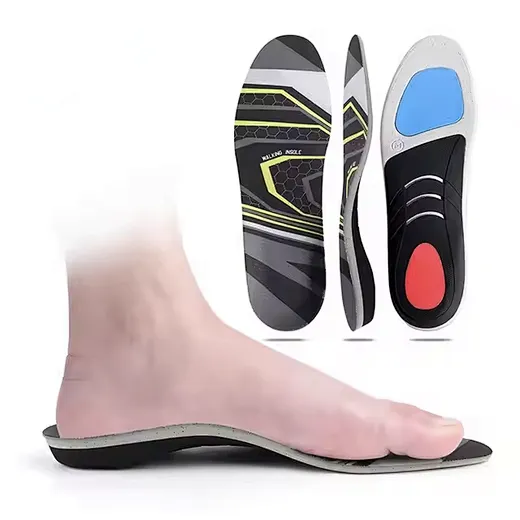
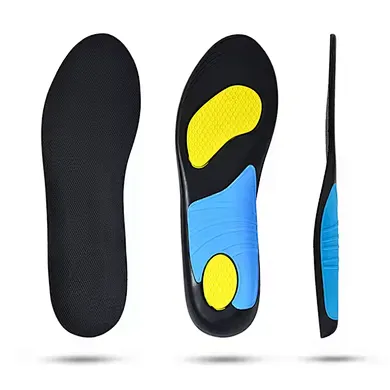
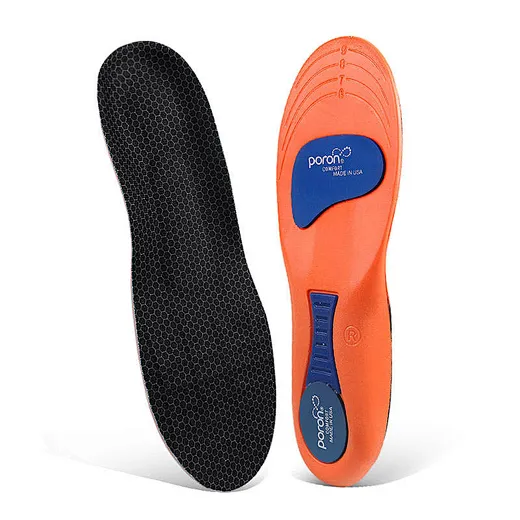
Athletic Insoles for Shoes: The Science-Backed Edge Every Athlete Needs
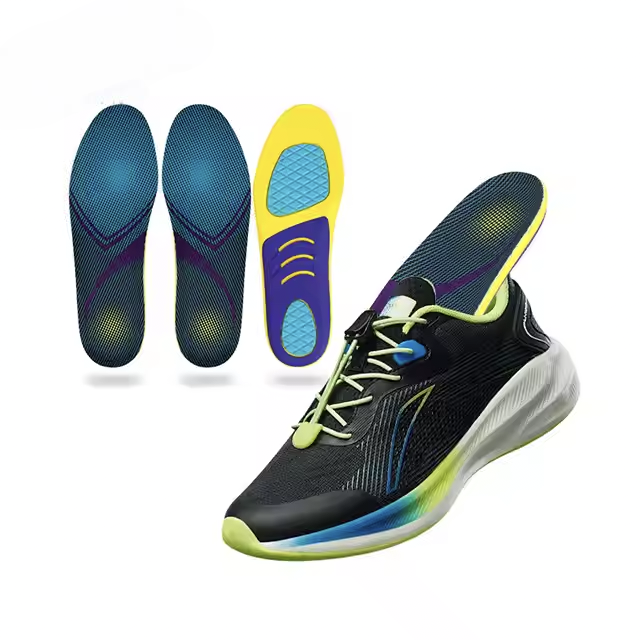
Maximize performance with athletic insoles for shoes! Engineered for runners and athletes, our inserts provide arch support, shock absorption & energy return to reduce fatigue and prevent injuries. Ideal for running, training & sports.
Athletic Insoles for Shoes: The Science-Backed Edge Every Athlete Needs
Table of Contents
- Why Athletic Insoles Are Game-Changers
- How Athletic Insoles Enhance Performance
- Types of Athletic Insoles by Sport
- Material Science: What Makes Great Insoles
- Step-by-Step Choosing Guide
- Expert Insights: What Pros Say
- FAQs About Athletic Insoles
- Conclusion
Why Athletic Insoles Are Game-Changers
Stock shoe insoles lack the specialized support athletes need. Athletic insoles transform footwear by:
- Reducing impact forces by 20-40% during high-intensity activities
- Correcting biomechanical imbalances that cause injuries
- Optimizing energy return for explosive movements
A 2023 Journal of Sports Science study found runners using performance insoles improved their 5K times by 3.2% on average.
How Athletic Insoles Enhance Performance
1. Shock Absorption Technology
Advanced polymers (like Poron XRD®) compress on impact and rebound instantly, protecting joints while conserving energy.
2. Dynamic Arch Support
Sport-specific arch designs adapt to movement phases:
• Running: Firm medial support to control overpronation
• Basketball: Balanced support for lateral cuts
3. Metatarsal Optimization
Strategic padding under the ball of the foot enhances push-off power and prevents stress fractures.
Biomechanical Benefits:
- 27% reduction in plantar fascia strain (American Orthopedic Foot & Ankle Society)
- 15% decrease in ACL injury risk during pivoting sports
Types of Athletic Insoles by Sport
Running Insoles
Key Features: Lightweight (1-3mm thickness), deep heel cup, flexible forefoot
Top Pick: Currex RunPro - Dynamic arch with 3D molded support
Basketball/Volleyball Insoles
Key Features: Maximum cushioning (6-8mm), lateral stability wings
Top Pick: Move Game Day Pro - Dual-density foam to assist with jumping and landing
Soccer/Football Insoles
Key Features: Ultra-thin design (<2mm), spike compatibility
Top Pick: Superfeet Carbon - Sturdy support without bulk
Cross-Training Insoles
Key Features: Versatile support, antimicrobial top covers
Top Pick: Powerstep Pinnacle - Balanced stability, suitable for a variety of sports
Material Science: What Makes Great Insoles
Core Materials Comparison
| Material | Best For | Durability | Energy Return |
|---|---|---|---|
| EVA Foam | Daily training | 6-9 months | 60-70% |
| Polymer Gels | Impact sports | 1-2 years | 75-85% |
| Carbon Fiber | Elite performance | 3+ years | 90-95% |
Advanced Technologies
- 3D Printing: Customized lattice structures for targeted compression zones
- Phase-Change Materials: Adapt stiffness to temperature changes
- Moisture-Wicking Nanofibers: Prevent blisters during endurance events
Step-by-Step Choosing Guide
1. Analyze Your Foot Type
Wet Test Method:
• Flat feet: Full footprint → Look for motion control insoles
• High arches: Narrow band → Prioritize cushioning
2. Match to Primary Activity
Use the sport-specific recommendations in Section 3
3. Consider Shoe Compatibility
- Remove stock insoles before measuring depth
- Allow 3-5mm clearance above toes
- For cleats: Verify low-profile designs
Pro Tip:
Bring your shoes when buying insoles. Test them with your performance socks for accurate fit.
Expert Insights: What Pros Say
Dr. Marcus Reynolds, Sports Biomechanist
"Top athletes can achieve a 2-4% efficiency advantage using custom insoles. The key is matching the insole's longitudinal stiffness to the athlete's power curve."
Sarah Chen, Olympic Marathoner
"I alternate between carbon fiber racing insoles and cushioned training insoles. The difference in muscle fatigue over runs of 20 miles or more is dramatic."
FAQs About Athletic Insoles
1. Can insoles void my shoe warranty?
No—all major brands allow aftermarket insoles. Avoid modifications that damage shoe structure.
2. How often should I replace athletic insoles?
Training insoles: Every 300-500 miles
Competition insoles: Every 100-200 hours of use
3. Are $200+ custom orthotics worth it?
For athletes with asymmetrical gaits or prior injuries: Yes. Weekend warriors often benefit from $40-$80 heat-moldable options.
4. Can insoles improve vertical jump?
Yes—studies show carbon-fiber insoles increase jump height by 1.5-2.5 inches through improved energy transfer.
Conclusion
Athletic insoles are the secret weapon that separates good athletes from great ones. By precisely controlling impact, optimizing biomechanics, and enhancing energy return, they deliver measurable performance improvements while reducing the risk of injury. Whether you're a weekend trainee or an elite athlete, investing in sports-specific insoles tailored to your foot's mechanics will unlock new levels of comfort, efficiency, and achievement. Remember: your foundation determines your limits.


Custom Insoles for Athletes: The Secret Weapon for Peak Performance
Athletic Shoe Insoles: Unlock Peak Performance and Prevent Injuries