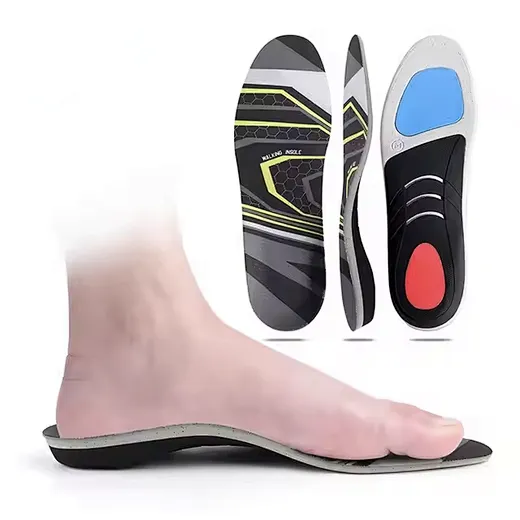
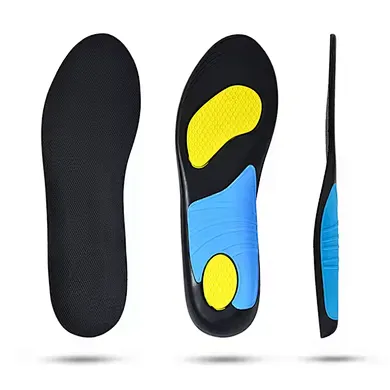
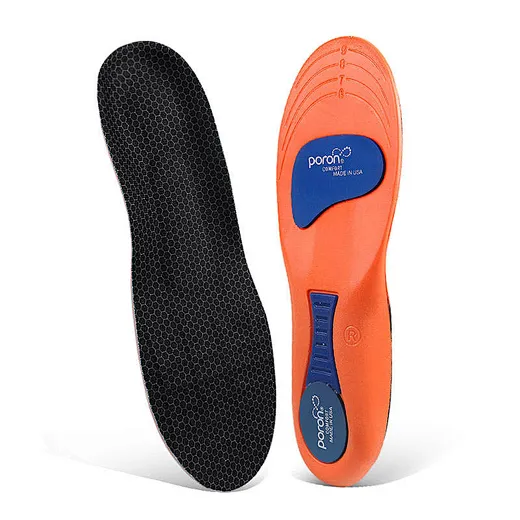
Arch Support Sports Insoles: The Ultimate Guide to Enhanced Athletic Performance and Injury Prevention
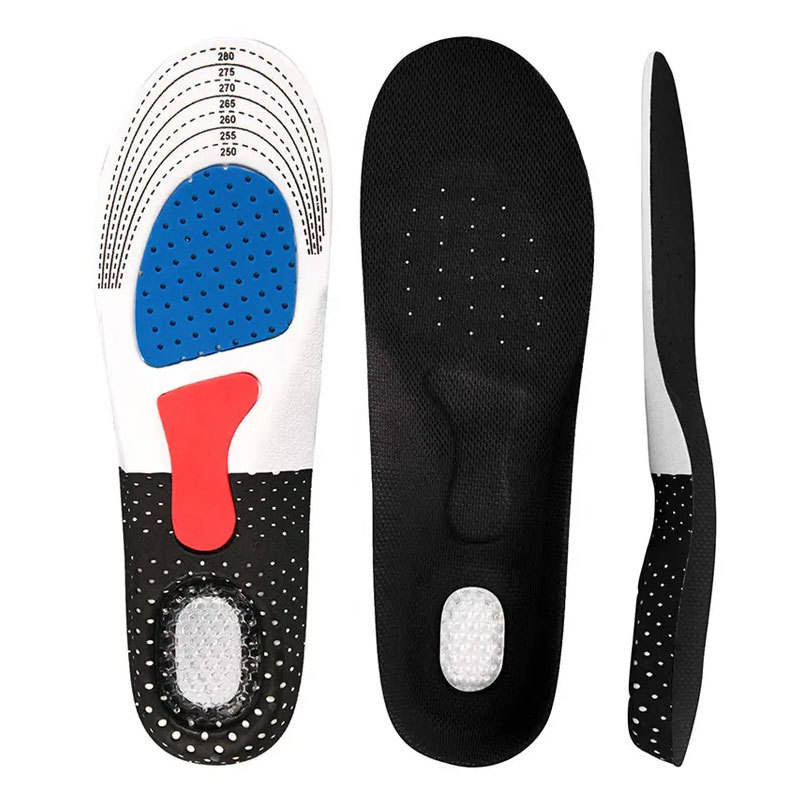
Enhance athletic performance with arch support sports insoles!Engineered for high-impact activities,these stability inserts reduce fatigue, improve alignment,and absorb shock during running, and training. Experience superior comfort and injury prevention.
Arch Support Sports Insoles: The Ultimate Guide to Enhanced Athletic Performance and Injury Prevention
Table of Contents
- The Critical Importance of Arch Support in Sports
- How Arch Support Sports Insoles Work: The Science Behind Support
- Types of Sports Insoles for Different Activities
- Key Features of High-Quality Sports Insoles
- How to Choose the Right Arch Support for Your Sport
- Expert Insights: Professional Advice on Sports Insoles
- Frequently Asked Questions About Sports Insoles
- Conclusion: Step Up Your Game with Proper Arch Support
The Critical Importance of Arch Support in Sports
For athletes and active individuals, proper foot support isn't a luxury—it's a necessity. The arch of your foot acts as a natural shock absorber, distributing impact forces evenly throughout your foot and lower body. During athletic activities, your feet endure 3-5 times your body weight in impact forces with each step. Without adequate support, this repetitive stress can lead to:
- Plantar fasciitis - inflammation of the plantar fascia tissue
- Shin splints - pain along the shin bone
- Achilles tendonitis - inflammation of the Achilles tendon
- Stress fractures - small cracks in bones
- Overpronation or supination - abnormal foot rolling motions
Arch support sports insoles are specifically engineered to address these issues by providing targeted support, enhanced cushioning, and improved biomechanical alignment during high-impact activities.
How Arch Support Sports Insoles Work: The Science Behind Support
Biomechanical Engineering
Sports insoles with arch support work on principles of biomechanics to optimize foot function. They're designed to:
- Redistribute pressure across the entire foot surface
- Maintain proper alignment of feet, ankles, knees, and hips
- Reduce excessive motion that can lead to injuries
- Enhance energy return for improved performance
Impact Absorption Technology
Advanced materials in sports insoles absorb and dissipate impact forces:
- EVA foam - lightweight cushioning with good durability
- Polyurethane - firmer support for heavier athletes
- Gel padding - superior shock absorption in high-impact zones
- Carbon fiber - rigid support for maximum stability
The Kinetic Chain Effect
Proper arch support creates a positive kinetic chain reaction throughout your body. When your feet are properly aligned:
- Ankles maintain neutral position
- Knees track properly over feet
- Hips remain level and stable
- Spinal alignment improves
Types of Sports Insoles for Different Activities
Running and Jogging Insoles
Designed for forward motion impact, running insoles feature:
- Heel cushioning for shock absorption at strike
- Forefoot flexibility for toe-off propulsion
- Moderate arch support to balance flexibility and stability
Long-Distance vs Sprint Insoles
Long-distance insoles prioritize cushioning and comfort, while sprint insoles focus on energy return and minimal weight.
Court Sports Insoles
For basketball, volleyball, tennis, and other court sports, insoles require:
- Lateral stability for side-to-side movements
- Enhanced forefoot support for jumping and quick pivots
- Firm arch support to prevent rolling during aggressive cuts
Cross-Training and Gym Insoles
Versatile insoles designed for multiple activities feature:
- Balanced cushioning and support for varied movements
- Durable materials to withstand different training surfaces
- Moisture-wicking properties for extended wear comfort
Key Features of High-Quality Sports Insoles
Ergonomic Arch Design
The best athletic insoles feature an ergonomic arch contour that perfectly matches the natural shape of the foot. This includes:
- Medial longitudinal arch support along the inner foot
- Lateral longitudinal arch support along the outer foot
- Transverse metatarsal arch support across the ball of the foot
Heel Cup Technology
A deep, contoured heel cup provides:
- Rearfoot stability and precision
- Enhanced shock absorption during impact
- Reduced heel slippage during activity
Variable Density Materials
Advanced insoles utilize zoned density material to provide:
- Firm support in stability areas
- Soft cushioning in impact zones
- Progressive resistance where motion control is needed
How to Choose the Right Arch Support for Your Sport
Step 1: Determine Your Arch Type
Understanding your foot architecture is crucial:
- Low arches (flat feet) require maximum support and motion control
- Medium arches need balanced support and cushioning
- High arches benefit from enhanced cushioning and moderate support
The Wet Test Method
Wet your foot and step onto a paper bag or dark surface. Examine your footprint:
- Flat foot shows almost the entire foot
- Medium arch shows about half the arch area
- High arch shows only a thin strip connecting heel and forefoot
Step 2: Consider Your Primary Sport
Match insole features to your athletic demands:
- Running - forward motion cushioning and flexibility
- Court sports - lateral stability and impact protection
- Field sports - versatile support for multi-directional movement
Step 3: Evaluate Your Current Issues
Address specific concerns with targeted features:
- Plantar fasciitis - firm arch support and heel cushioning
- Shin splints - impact absorption and proper alignment
- Achilles issues - heel lift and gradual arch support
Expert Insights: Professional Advice on Sports Insoles
Dr. Sarah Jenkins, Sports Podiatrist
"Many athletes make the mistake of prioritizing shoe selection over insole quality. The truth is, even the best athletic shoes come with generic, one-size-fits-all insoles that don't address individual biomechanical needs. For optimal performance and injury prevention, athletes should invest in sport-specific arch support that matches their foot type and activity demands."
Professional Recommendations
Dr. Jenkins recommends:
- Replace stock insoles immediately - they're designed for cost, not performance
- Get professionally fitted if you have existing foot conditions
- Consider custom orthotics for severe biomechanical issues
- Rotate multiple pairs if you participate in different sports
Mark Richardson, Professional Athletic Trainer
"I've seen significant performance improvements in athletes who switch to proper sports insoles. The right support doesn't just prevent injuries—it can enhance power transfer, improve stability during cuts and pivots, and reduce fatigue during endurance activities. It's one of the most cost-effective performance upgrades available to athletes at any level."
Frequently Asked Questions About Sports Insoles
How long do sports insoles typically last?
High-quality athletic insoles can last 6-12 months with normal use. Competitive athletes who train daily may need to replace their insoles every 3-6 months. Signs that an insole replacement is needed include noticeable compression, loss of support, or decreased comfort.
Can I use the same insoles for different sports?
While possible, sport-specific insoles offer better performance and protection. The biomechanical demands of running differ significantly from those of court or field sports. If you participate in multiple sports, consider getting a different insole for each sport.
Are custom orthotics worth the investment for athletes?
For athletes with significant biomechanical issues or those competing at the elite level, custom orthotic insoles are invaluable. They provide precise support tailored to your foot shape and gait pattern. However, many amateur athletes find excellent results with high-quality, off-the-shelf athletic insoles.
How do I know if my sports insoles are working properly?
An effective athletic insole should immediately improve comfort, reduce fatigue during exercise, and alleviate soreness afterward. Within 2-3 weeks, you should notice improved performance and reduced foot, knee, or lower back pain.
Can sports insoles improve my athletic performance?
Yes, properly fitted athletic insoles can enhance performance by improving energy transfer, increasing stability during changes of direction, and reducing muscle fatigue. Many athletes report that proper arch support allows them to run faster, jump higher, and make quicker cuts.
Conclusion: Step Up Your Game with Proper Arch Support
Arch support insoles are one of the most effective yet often overlooked pieces of athletic equipment. They provide targeted support, superior impact absorption, and improved biomechanical alignment, not only preventing common sports injuries but actually improving performance.
Whether you're a weekend athlete or a competitive athlete, investing in a quality pair of insoles tailored to your foot shape and sport will pay off in comfort, performance, and long-term joint health. Remember, the best insoles are invisible during exercise—they seamlessly support your movements while protecting your body from excessive impact and strain.
Take the time to assess your needs and consult a professional if necessary to experience the difference proper arch support can make in your sport. Your feet and your entire body will thank you with every stride, jump, and step.


Best Insoles for Running: Ultimate Guide to Enhanced Performance and Comfort
Custom Insoles for Athletes: The Secret Weapon for Peak Performance