What Do Insoles Do? A Comprehensive Guide to Shoe Insert Benefits

"Wondering what do insoles do? They provide arch support, relieve foot pain, and improve alignment for better comfort. Perfect for flat feet, plantar fasciitis, or long hours on your feet. Discover the right insoles for your needs today!"
What Do Insoles Do? A Comprehensive Guide to Shoe Insert Benefits
Table of Contents
- The Basic Function of Insoles
- Key Benefits of Using Insoles
- Types of Shoe Insoles and Their Uses
- Expert View: Why Insoles Matter
- FAQs About Shoe Insoles
- Conclusion
The Basic Function of Insoles
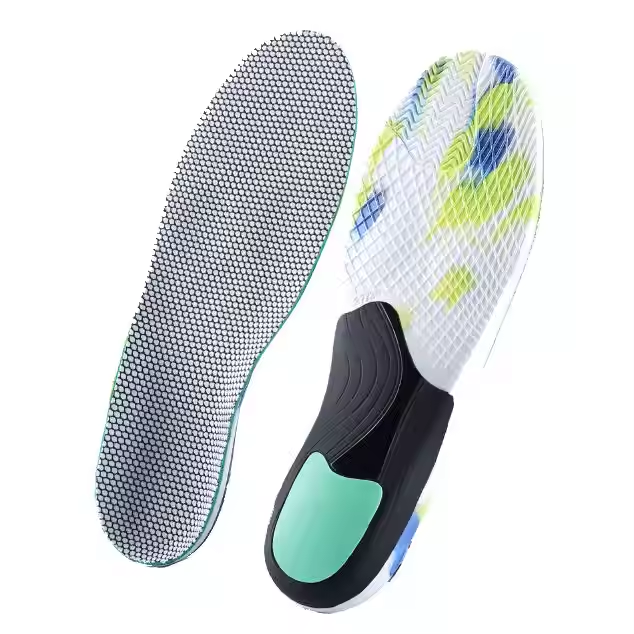
**Shoe insoles** (also called footbeds or inserts) are removable layers placed inside shoes to enhance comfort, support, and foot health. Their primary roles include:
- Pressure redistribution to reduce strain on joints.
- Arch support to improve alignment.
- Cushioning to absorb shock during movement.


Key Benefits of Using Insoles
1. Enhanced Comfort and Pain Relief
Insoles combat common issues like plantar fasciitis, heel spurs, and metatarsalgia by providing targeted **shock absorption** and reducing friction.
2. Improved Posture and Alignment
By stabilizing the foot’s arch and heel, insoles promote proper **biomechanics**, which can alleviate knee, hip, and back pain.
3. Extended Shoe Lifespan
High-quality insoles protect shoes from wear and tear caused by uneven weight distribution.
Types of Shoe Insoles and Their Uses
1. Cushioning Insoles
Made from **memory foam** or gel, these prioritize comfort for daily wear or athletic activities.
2. Orthotic Insoles
Rigid or semi-rigid inserts prescribed to correct **foot deformities** (e.g., flat feet, bunions).
3. Heat-Moldable Insoles
Customizable designs that adapt to the foot’s shape for personalized support.
4. Sports-Specific Insoles
Optimized for running, hiking, or skiing to enhance performance and reduce injury risk.
Expert View: Why Insoles Matter
Dr. Rachel Nguyen, a podiatrist specializing in sports injuries, states: "**Orthotic insoles** are not just for pain relief—they’re proactive tools for maintaining foot health. For athletes, they optimize force distribution, which can prevent overuse injuries." She advises choosing insoles based on activity type and foot structure.
FAQs About Shoe Insoles
1. Are insoles one-size-fits-all?
No. While generic insoles work for mild needs, custom orthotics are better for severe biomechanical issues.
2. Can insoles fix flat feet?
Yes! **Arch-support insoles** can reduce discomfort and improve alignment for flat-footed individuals.
3. How do I know if I need insoles?
Signs include frequent foot fatigue, blisters, or pain in the heels, arches, or balls of the feet.
4. Can I transfer insoles between shoes?
Yes, as long as they fit snugly. Avoid trimming unless the product allows it.
Conclusion
**Shoe insoles** are versatile tools that go beyond simple comfort—they correct imbalances, protect joints, and enhance mobility. Whether you’re an athlete, a professional on your feet all day, or someone managing chronic pain, the right insole can transform your foot health. Always consult a specialist to match your needs with the ideal design.


Why the Insoles Industry is Booming: Key Drivers and Innovations Exploring the Growth Factors, Technological Advancements, and Future Trends in the Footwear Insert Market
Where to Buy OrthoLite Insoles: Your Guide to Premium Comfort