Why the Insoles Industry is Booming: Key Drivers and Innovations Exploring the Growth Factors, Technological Advancements, and Future Trends in the Footwear Insert Market

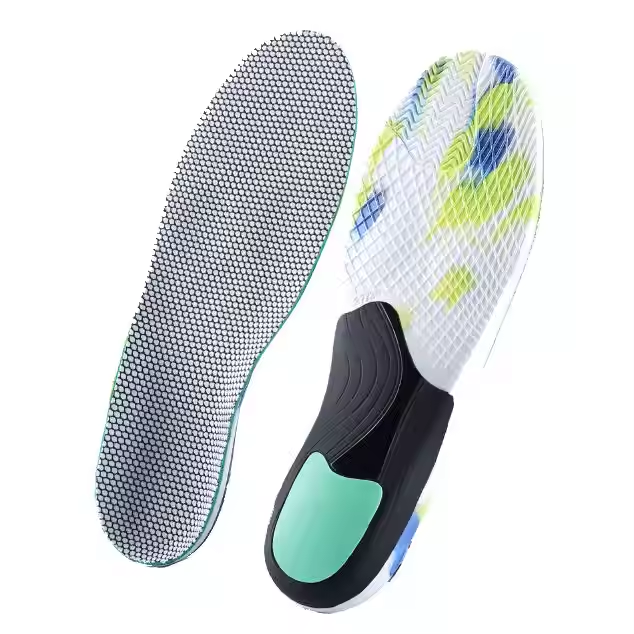
Experience personalized comfort with custom foot insoles. Professionally crafted to match your unique arch shape and gait, these orthotics deliver targeted support, pressure relief, and superior alignment for walking, sports, or daily wear.
Why the Insoles Industry is Booming: Key Drivers and Innovations
Exploring the Growth Factors, Technological Advancements, and Future Trends in the Footwear Insert Market
Table of Contents
Introduction: The Rising Demand for Insoles
The global insoles industry is experiencing unprecedented growth, with market projections showing a steady increase of 7.2% CAGR from 2023 to 2030. Once considered simple cushioning products, insoles have evolved into sophisticated biomechanical devices that address diverse foot health needs.
Modern insoles serve multiple purposes beyond comfort: injury prevention, performance enhancement, postural correction, and chronic condition management for conditions like plantar fasciitis, diabetes, and arthritis.
This transformation from commodity to specialized healthcare product has been driven by increased consumer awareness, technological advancements, and shifting lifestyle patterns that prioritize foot health and overall wellness.
Market Growth Statistics
|
?
Market Value
$4.8BGlobal Market (2023)
|
?
Projected Growth
7.2% CAGR(2024-2030)
|
|
?
Sports Segment
35%Market Share
|
?
North America
42%Market Dominance
|
The market expansion is particularly noticeable in the athletic performance and medical orthotic segments, which together account for over 60% of total revenue. The Asia-Pacific region shows the fastest growth rate at 9.3% CAGR, driven by increasing health consciousness and disposable income.
Key Drivers of Industry Growth
1. Rising Health Consciousness
Consumers are increasingly aware of the connection between foot health and overall wellbeing. Conditions like plantar fasciitis, flat feet, and diabetic neuropathy have driven demand for therapeutic insoles.
2. Aging Population
With a growing global elderly population, there's increased demand for products that address age-related foot conditions and improve mobility, reducing fall risks and joint pain.
3. Athletic Performance Focus
Athletes and fitness enthusiasts seek performance-enhancing insoles that improve energy transfer, reduce injury risk, and extend training capacity across sports disciplines.
4. Workplace Ergonomics
Companies are increasingly investing in ergonomic footwear solutions to reduce workplace injuries, improve productivity, and lower healthcare costs associated with standing occupations.
5. E-commerce Expansion
The rise of direct-to-consumer brands and online customization platforms has made specialized insoles more accessible, with virtual fitting technologies removing barriers to purchase.
68%of consumers report purchasing insoles online, with 42% citing customization options as their primary reason for selection.
Technological Innovations in Insoles
Smart Insoles with IoT Integration
Sensor-embedded insoles now track gait patterns, pressure distribution, and step count, syncing data to smartphones for real-time feedback on foot health and performance metrics.
3D Printing and Customization
3D printing technology allows for fully customized insoles tailored to individual foot contours, pressure points, and specific biomechanical needs at competitive prices.
Advanced Materials Science
Innovations in materials like memory foam, thermoplastic polymers, carbon fiber, and phase-changing materials have dramatically improved durability, support, and comfort.
Heat-Moldable Technology
User-moldable insoles that adapt to foot shape with simple heating processes provide custom-level support without professional fitting, expanding access to personalized solutions.
Sustainability Initiatives
Eco-conscious brands are developing insoles from recycled materials, biodegradable foams, and plant-based polymers to address environmental concerns.
Our insoles are designed to meet the needs of the vast majority of customers. We offer a wide selection of materials including EVA, PU, gel, memory foam, and carbon fiber, along with multiple series such as orthopedic, sports, height-increasing, and foot care—each tailored to different scenarios and requirements.


Expert Analysis and Future Outlook
"The insoles industry is transitioning from reactive problem-solving to proactive health management. We're seeing convergence between footwear technology, wearable health monitoring, and personalized medicine. The next frontier is predictive foot health—using data from smart insoles to prevent injuries before they occur."
Dr. Rebecca Simmons
Podiatric Researcher & Industry Analyst
Future Market Predictions
- Integration with health insurance as preventative care devices
- Growth of subscription-based models for regularly refreshed insoles
- Expansion into pediatric orthotics for early intervention in developmental foot issues
- Increased corporate wellness programs incorporating ergonomic footwear solutions
- AI-driven customization using machine learning to optimize insole designs
Market Opportunity Alert
The preventative health segment represents the fastest-growing opportunity, with consumers increasingly willing to invest in products that prevent future health issues rather than just treating existing conditions.
Industry FAQs
What is driving the premiumization of the insoles market?
The shift toward medical-grade materials, customization technologies, and smart features has created tiered product segments. Consumers now recognize value in specialized solutions and are willing to pay premiums for clinically-backed benefits.
How has COVID-19 impacted the insoles industry?
The pandemic accelerated several trends: increased home fitness created demand for athletic insoles; remote work led to more casual footwear choices needing support; and heightened health awareness spurred investment in preventative solutions.
Are custom insoles worth the higher price compared to OTC options?
For individuals with specific biomechanical issues, custom orthotics provide targeted correction that generic insoles cannot match. However, advances in heat-moldable and 3D-printed OTC options are narrowing the performance gap at lower price points.
What role does sustainability play in consumer purchasing decisions?
Eco-friendly materials and recyclable packaging are increasingly important, with 58% of younger consumers stating they would pay more for sustainable footcare products according to recent market surveys.
Which demographic represents the largest growth opportunity?
The 45-65 age group currently drives the majority of therapeutic sales, but the 18-35 segment shows the fastest growth, particularly for sports performance and fashion-forward designs that integrate seamlessly with lifestyle footwear.
Conclusion and Predictions
The insoles industry boom reflects broader trends in health consciousness, technological innovation, and personalized wellness. As the market evolves from generic cushioning to specialized biomechanical solutions, key opportunities exist in smart technology integration, preventative health applications, and sustainable manufacturing.
Looking ahead, the convergence of wearable technology, advanced materials science, and personalized medicine will continue to drive innovation. Companies that successfully integrate these elements while addressing specific consumer pain points—from athletic performance to chronic condition management—will capture significant market share in this expanding industry.
The future of insoles lies not just in comfort, but in becoming integral components of holistic health management systems, proving that sometimes the most significant innovations come from the ground up—literally.


Stepping Up: A Comprehensive Analysis of the Global Shoe Insoles Market
What Do Insoles Do? A Comprehensive Guide to Shoe Insert Benefits