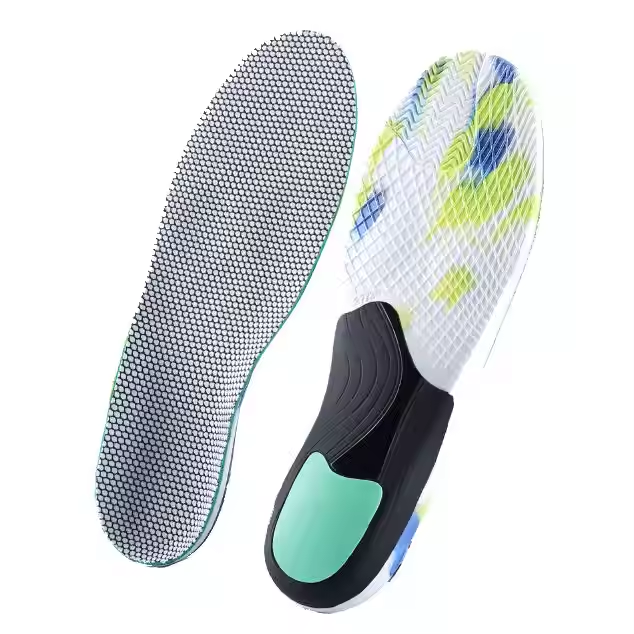
Stepping Up: A Comprehensive Analysis of the Global Shoe Insoles Market

Discover the benefits of custom made insoles, precision-crafted to match your unique foot shape and arch profile. Professional orthotics provide targeted support, correct gait issues, and alleviate pain from plantar fasciitis or flat feet.
Stepping Up: A Comprehensive Analysis of the Global Shoe Insoles Market
Table of Contents
- Introduction: The Foundation of Foot Comfort
- Market Overview: Size, Growth, and Key Segments
- Key Market Drivers and Trends
- Product Analysis: From Basic Cushioning to Smart Technology
- Regional Landscape: Where the Market Stands
- Expert Insights on Future Directions
- Industry Frequently Asked Questions (FAQs)
- Conclusion: Stepping into the Future
Introduction: The Foundation of Foot Comfort
The global shoe insole market, often an overlooked segment of the footwear industry, has emerged as a critical sector focused on health, comfort, and performance. No longer just a piece of foam, modern insoles are engineered solutions designed to correct biomechanical issues, manage medical conditions, and enhance athletic output. This analysis delves into the market's dynamics, exploring how innovation and growing health consciousness are propelling this industry forward.
Market Overview: Size, Growth, and Key Segments
Recent studies value the global shoe insoles market in the billions of dollars, with a projected steady compound annual growth rate (CAGR). This growth is fueled by an aging population, rising prevalence of diabetes and obesity, and increasing participation in sports and fitness activities. The market is broadly segmented into several key categories:
By Product Type
Comfort Insoles, Orthotic Insoles (both prefabricated and custom), Sports & Athletic Insoles, and Specialty Insoles (e.g., for diabetic care, heated, or moisture-wicking).
By Material
This includes Foam (EVA, PU), Gel, Leather, Cork, and advanced Composite Materials.
By Distribution Channel
Segmentation covers Pharmacies & Medical Stores, Online Retail, Sporting Goods Stores, and Department & Discount Stores.
Key Market Drivers and Trends
Several powerful forces are shaping the trajectory of the shoe insole market.
Rising Health and Wellness Consciousness
Consumers are proactively seeking products that prevent injury and promote overall well-being, moving insoles from a reactive to a proactive purchase.
Technological Integration and Smart Insoles
The advent of connected health devices has led to smart insoles equipped with sensors that track gait, pressure distribution, and activity levels, syncing data to smartphones for analysis.
Customization and Personalization
Demand is soaring for custom-molded orthotics, facilitated by 3D scanning and printing technologies, offering precise, patient-specific solutions.
Expansion of Athletic and Lifestyle Footwear
The booming athleisure trend and specialization in sports (running, hiking, cycling) drive demand for performance-specific insoles that offer targeted support and energy return.
As the economy continues to develop, people are increasingly turning their attention to improving their quality of life and prioritizing personal well-being. In this context, comfort in everyday wear has become a key focus for many. A high-quality insole can significantly enhance comfort during travel, work, or sports, transforming ordinary footwear into a supportive and pleasant experience. This growing awareness is driving the expansion of the insole market, as more consumers seek products that not only protect their feet but also contribute to overall daily comfort and health.


Product Analysis: From Basic Cushioning to Smart Technology
The evolution of insole products mirrors technological advancement.
Traditional Cushioning Insoles
These remain high-volume products, focused on shock absorption and everyday comfort using memory foam or gel polymers.
Biomechanical Orthotics
Designed to correct foot alignment, these often feature a rigid or semi-rigid arch support and deep heel cups to control overpronation or supination.
Performance-Enhancing Insoles
Used by athletes, these focus on optimal energy transfer, stability during lateral movements, and reducing muscle fatigue.
The Rise of Smart Insoles
Representing the cutting edge, these insoles integrate pressure sensors, accelerometers, and Bluetooth technology. They provide real-time feedback for athletes and valuable data for healthcare professionals monitoring patients with diabetic foot ulcers or balance disorders.
Regional Landscape: Where the Market Stands
Market maturity and drivers vary significantly by region.
North America
Holds the largest market share, driven by high healthcare expenditure, a strong sports culture, and early adoption of advanced technologies.
Europe
Follows closely, with growth fueled by robust healthcare systems, an aging demographic, and high consumer awareness of foot health.
Asia-Pacific
Identified as the fastest-growing region. This is attributed to rising disposable incomes, increasing participation in sports, growing medical tourism, and a large population base developing lifestyle-related foot conditions.
Expert Insights on Future Directions
Dr. Angela Rossi, a podiatrist and biomechanics researcher, shares her perspective: "The future of the insole market lies at the intersection of personalized medicine and wearable technology. We are moving beyond one-size-fits-all solutions. The next generation of insoles will be dynamically adaptive, potentially using materials with variable stiffness that change based on real-time gait data, offering corrective support only when needed. Furthermore, integration with telehealth platforms will allow for remote patient monitoring and prescription adjustments, revolutionizing podiatric care."
Industry Frequently Asked Questions (FAQs)
What is the primary difference between over-the-counter and prescription orthotic insoles?
Over-the-counter (OTC) insoles are designed for common, mild issues and are available in generalized sizes and support levels. Prescription orthotics are custom-made from a cast or scan of an individual's foot, designed to address specific, often severe, biomechanical pathologies under the guidance of a healthcare professional.
How are smart insoles changing the market?
They are creating a new product category that bridges consumer wellness and clinical healthcare. By providing quantifiable data, they add value for performance-oriented consumers and offer clinicians objective metrics for diagnosis and treatment monitoring, creating new data-driven business models.
Which material is currently considered most advanced for performance insoles?
While materials like carbon fiber are prized for their lightweight stiffness in athletic orthotics, advanced thermoplastic polymers that offer a blend of flexibility, durability, and moldability are widely used. Research is also focused on viscoelastic materials with superior energy dispersion properties.
What is the biggest challenge facing the global insole market?
Consumer education remains a significant hurdle. Many potential users view insoles as a commodity for pain relief rather than a preventative health tool. Additionally, the high cost of custom and smart insoles can be a barrier to mass adoption, necessitating clearer communication of long-term value and health cost savings.
Conclusion: Stepping into the Future
The global shoe insoles market is on a firm growth path, underpinned by undeniable demographic and health trends. It is transitioning from a passive accessory to an active, intelligent component of footwear. Success in this evolving landscape will belong to companies that invest in research and development, embrace personalization and connectivity, and effectively educate the market on the profound impact proper foot support has on overall health and performance. As technology and healthcare continue to converge, the humble shoe insole is poised to become a cornerstone of personalized wellness and athletic achievement.


Why the Insoles Industry is Booming: Key Drivers and Innovations Exploring the Growth Factors, Technological Advancements, and Future Trends in the Footwear Insert Market