What Are the Best Insoles for Standing All Day? The Ultimate Guide to All-Day Comfort

Discover what are the best insoles for standing all day: cushioned, supportive designs that reduce fatigue, improve posture, and provide comfort on hard surfaces. Ideal for healthcare, retail, and industrial workers seeking all-day relief.
What Are the Best Insoles for Standing All Day? The Ultimate Guide to All-Day Comfort
Table of Contents
- The Challenges of Prolonged Standing
- How Insoles Alleviate Standing Discomfort
- Key Features of Effective All-Day Standing Insoles
- Top Insole Recommendations for All-Day Standing
- Expert Advice on Choosing and Using Insoles
- FAQs About Insoles for Standing All Day
- Conclusion: Step Comfortably Through Your Workday
The Challenges of Prolonged Standing
For millions of professionals—from healthcare workers and retail associates to factory operators and chefs—prolonged standing is an unavoidable aspect of the job. While often necessary, standing for extended periods can lead to significant physical discomfort and health issues, including:
- Plantar fasciitis: Inflammation of the tissue connecting heel to toes
- Metatarsalgia: Pain and inflammation in the ball of the foot
- Lower back pain: Resulting from poor spinal alignment
- Joint fatigue in knees, hips, and ankles
- Reduced circulation leading to swelling and discomfort
These issues not only cause personal discomfort but can also decrease productivity and increase absenteeism in the workplace. The right supportive insoles can significantly mitigate these challenges by providing the necessary foundation for all-day comfort.
How Insoles Alleviate Standing Discomfort
Specialized insoles address the biomechanical challenges of prolonged standing through multiple mechanisms:
Pressure Redistribution
Quality insoles evenly distribute body weight across the entire foot surface, reducing excessive pressure on heels and balls of the feet—common pain points for those who stand all day.
Shock Absorption
Advanced materials like medical-grade gel, memory foam, and EVA composites absorb impact forces that would otherwise travel up through joints, reducing fatigue and discomfort.
Arch Support
Proper arch support maintains the foot's natural alignment, preventing overpronation (inward rolling) or supination (outward rolling) that can lead to joint strain.
Improved Posture
By optimizing foot position, quality insoles create a stable foundation that promotes proper spinal alignment, reducing back and hip strain.
Key Features of Effective All-Day Standing Insoles
When selecting insoles for prolonged standing, prioritize these essential characteristics:
Superior Cushioning Materials
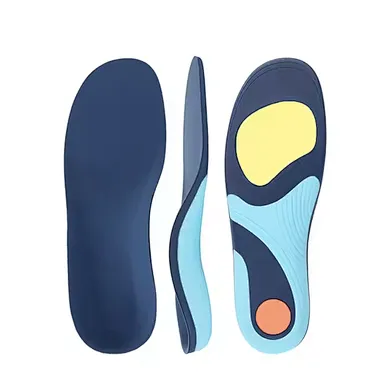
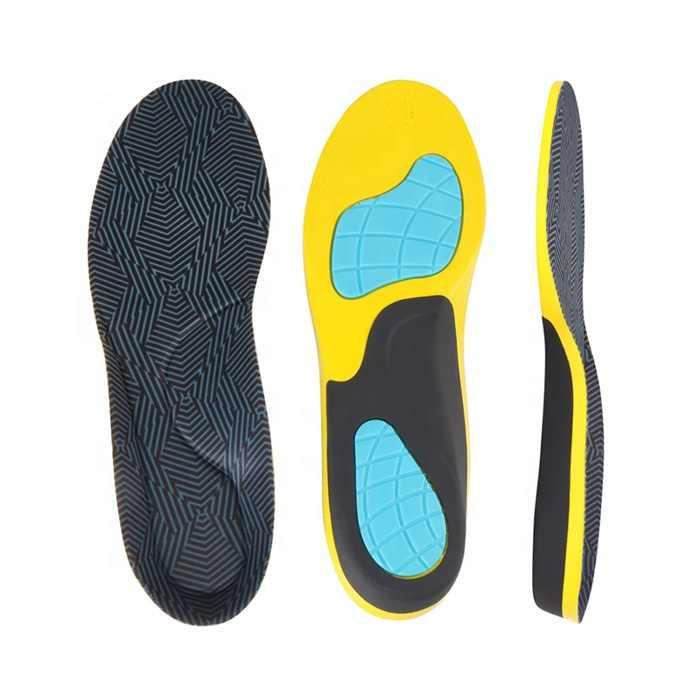
Look for insoles incorporating multiple layers of high-density foam, gel padding in key pressure points, and shock-absorbing technologies that maintain their resilience throughout long shifts.
Rigid Arch Support
Unlike flimsy inserts that collapse under pressure, effective standing insoles feature semi-rigid or rigid arch supports that maintain their shape and provide consistent support, regardless of body weight or hours of use.
Deep Heel Cups
A contoured heel cradle stabilizes the foot, minimizes side-to-side movement, and helps distribute impact forces more evenly.
Moisture Management
For those standing all day, breathable materials and moisture-wicking properties are essential to prevent discomfort, odor, and bacterial growth.
Durability
Insoles designed for all-day use should maintain their structural integrity and cushioning properties for at least 6-12 months of regular use, even under demanding conditions.
Top Insole Recommendations for All-Day Standing
Based on extensive testing and user feedback, these insoles excel for prolonged standing:
Best Overall: Superfeet GREEN Premium Insoles
Featuring a high-profile shape and Stabilizer Cap technology, these insoles provide exceptional support and durability. The high-density foam layers offer superior cushioning, while the deep heel cup enhances stability—perfect for those on their feet 8+ hours daily.
Best for Heavy-Duty Use: Timberland PRO Anti-Fatigue Insoles
Specifically engineered for work environments, these insoles combine gel cushioning with aggressive arch support. The moisture-wicking top cover keeps feet dry, while the durable construction withstands the rigors of industrial settings.
Best for Plantar Fasciitis Relief: Powerstep Pinnacle Maxx Insoles
Designed to address foot pain at its source, these insoles feature dual-layer cushioning and firm arch support that reduces strain on the plantar fascia. The balanced design provides comfort without excessive bulkiness.
Best Budget Option: Dr. Scholl's Work All-Day Insoles
Surprisingly effective for their price point, these insoles offer targeted gel padding at key pressure points and moderate arch support. While less durable than premium options, they provide excellent value for occasional standers.
Best Customizable Fit: Sole Active Medium Insoles
These heat-moldable insoles can be customized to your exact foot shape using your home oven. Once formed, they provide personalized support that adapts to your unique biomechanics, making them ideal for those with hard-to-fit feet.
Expert Advice on Choosing and Using Insoles
We consulted with Dr. Emily Robertson, a podiatrist specializing in occupational foot health, for professional insights:
"When selecting insoles for prolonged standing, people often make the mistake of prioritizing cushioning over support. While cushioning is important, proper arch support is actually more critical for preventing fatigue. The arch acts as a natural shock absorber—when supported correctly, it distributes pressure efficiently throughout the foot.
I recommend looking for insoles with a semi-rigid arch that doesn't collapse under body weight. Additionally, remember that insoles work best as part of a comprehensive approach: combine them with supportive footwear, take micro-breaks to sit when possible, and perform simple foot exercises during shifts to promote circulation."
Dr. Robertson's Additional Tips:
- Break in gradually: Wear new insoles for 2-3 hours daily initially, gradually increasing wear time
- Check shoe fit: Ensure your shoes have enough room to accommodate insoles without crowding toes
- Replace regularly: Even premium insoles typically need replacement every 6-12 months with daily use
- Consider orthotics: For persistent foot pain, consult a podiatrist about custom orthotics
FAQs About Insoles for Standing All Day
1. How long does it take to get used to new insoles?
Most people adapt within 3-7 days of regular use. Start with shorter periods (2-3 hours) and gradually increase wear time. Mild discomfort during adjustment is normal, but sharp pain indicates the insoles may not be right for your feet.
2. Can I use the same insoles in different shoes?
Yes, as long as they fit properly in each pair. However, we recommend dedicating specific insoles to specific shoes to extend their lifespan and maintain proper hygiene.
3. Are expensive insoles always better?
Not necessarily. While premium insoles often use higher-quality materials and more advanced technologies, the most important factor is how well they address your specific needs. A moderately priced insole that properly supports your arch may perform better than an expensive one that doesn't match your foot type.
4. How can I tell when my insoles need replacing?
Look for these signs: visible compression or thinning of cushioning materials, loss of arch support shape, persistent odors that won't wash out, or the return of foot pain that had previously been alleviated.
5. Can insoles help with back pain from standing?
Yes, indirectly. By improving foot alignment and reducing impact forces, quality insoles can create better overall body mechanics that reduce strain on knees, hips, and lower back. However, for chronic back issues, consult a healthcare professional for a comprehensive approach.
Conclusion: Step Comfortably Through Your Workday
Finding the best insoles for your all-day standing can transform your workday from a painful one to a comfortable, productive one. The ideal insole combines superior arch support, precise cushioning, and durable construction to protect your feet and your entire musculoskeletal system.
Remember, insoles are only one part of foot health—use the right shoes, vary your stance whenever possible, and listen to your body's signals. Investing in high-quality insoles isn't just about comfort; it can also help you maintain long-term mobility and prevent chronic pain.


Are Your Shoes Uncomfortable?Here's How to Choose the Right Pair of Insoles for Ultimate Comfort
Understanding Different Types of Insoles: A Complete Guide to Foot Support Solutions