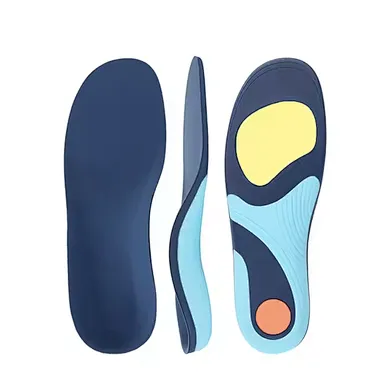
Do Women and Men Need Different Insoles? The Science of Foot Anatomy
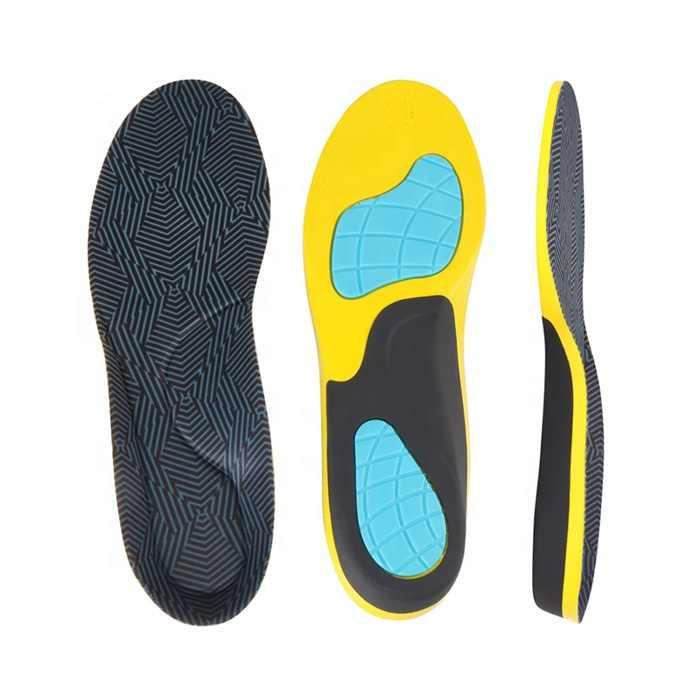
Discover how the right shoe insole can transform your comfort. From arch support and shock absorption to improved alignment, quality insoles alleviate foot pain, reduce fatigue, and enhance your stride for work, sports, or daily life.
Do Women and Men Need Different Insoles? The Science of Foot Anatomy
Table of Contents
Fundamental Foot Anatomy Differences
While human feet share the same basic structure, significant anatomical distinctions exist between the average female and male foot that directly impact insole requirements. These differences extend beyond mere size scaling and influence weight distribution, pressure points, and support needs.
Structural Proportions and Dimensions
Men's feet are typically wider relative to their length, particularly in the forefoot and heel. Women's feet, on average, are narrower in the heel with a proportionally wider forefoot area. This fundamental difference in shape means that a woman's foot can slide forward in a shoe scaled down from a man's last, creating instability and pressure on the metatarsals.
Key Anatomical Distinctions
- Heel-to-Ball Ratio: Women often have a longer arch length relative to overall foot length.
- Arch Structure: While not exclusive, women statistically have a higher incidence of flexible flat feet or hypermobility in joints.
- Bone Density and Ligament Laxity: Hormonal differences, particularly estrogen, can affect ligament elasticity and foot volume fluctuation.
Biomechanical and Gait Variations
Anatomy dictates function. The structural differences between genders create distinct biomechanical patterns that influence wear and tear, as well as common injury points.
Pelvic Width and Lower Limb Alignment
Women's wider pelvic structure creates a greater Q-angle (the angle between the hip and knee). This alignment often leads to increased internal rotation at the knee and a higher propensity for overpronation—the inward rolling of the foot during gait. This makes proper motion control and arch stabilization in insoles critically important for many women.
Pressure Distribution Patterns
Studies using pressure mapping show women, especially those who frequently wear heels, experience significantly higher peak pressure in the ball of the foot (metatarsal region). Men tend to distribute pressure more evenly from heel to forefoot. This necessitates different cushioning strategies in orthotic design.
The Science Behind Gender-Specific Insole Design
Effective insoles are not merely cushions; they are biomechanical tools. Gender-specific designs target the anatomical and functional variations to provide optimal support and prevention.
Targeted Support Zones
Women's-specific insoles often feature a narrower heel cup to prevent slippage, a higher arch profile placed further forward to match the longer arch length, and enhanced metatarsal padding or a metatarsal dome to relieve forefoot pressure. They may also have more flexible materials to accommodate a wider range of shoe types.
Men's Insole Design Focus
- Broader arch and heel cup dimensions.
- Support focused on controlling moderate pronation and distributing impact from heavier body weights.
- Durable materials suited for larger forces and high-impact activities.
The Role of Material Density
Firmness and density of supportive materials (like thermoplastic urethane or firm EVA) are often calibrated differently. A man's insole may use a higher durometer (firmer) plastic for arch support to manage greater torque, while a woman's might use a slightly softer but more strategically placed support to manage joint hypermobility without creating discomfort.
Expert Perspectives on Gender-Specific Foot Care
Dr. Sarah Collins, a board-certified podiatrist and researcher in sports medicine, emphasizes the clinical importance of differentiation:
"In my practice, I consistently observe that women's foot pathologies—from plantar fasciitis to neuromas—are frequently tied to footwear and insoles that fail to account for their unique anatomy. The industry standard of simply making a men's insole smaller is a disservice. A woman's insole must address the narrower heel, the different arch placement, and the higher forefoot pressures. For men, the focus is often on managing higher impact forces and providing robust rearfoot control. Using a properly designed gender-specific insole is a form of preventive medicine for the musculoskeletal system."
When Do Unisex Insoles Work?
While gender-specific designs are ideal, some high-quality unisex insoles can be effective, particularly when they are highly customizable.
Scenarios for Unisex Insoles
- Heat-Moldable Designs: Insoles that can be warmed and molded to the individual's foot shape can bridge the anatomical gap.
- Modular Systems: Insoles with interchangeable arch pads or heel wedges allow for personalized adjustment.
- Specific Activity Focus: For some sports with very rigid, form-fitting shoes (like cycling), the shoe's last may dominate the fit, making a precise, thin unisex insole acceptable.
However, for everyday use, recovery from injury, or significant biomechanical issues, a purpose-built gender-specific insole is generally the superior choice.
Frequently Asked Questions (FAQs)
1. Can a man use a woman's insole if it's the right length?
It is not recommended. Even at the same length, the proportions are wrong. A man's wider foot will overhang the narrower arch and heel cup of a woman's insole, which can cause blisters, hotspots, and improper alignment, potentially worsening foot problems.
2. Do the differences apply to all women and all men?
These are general patterns based on population averages. Individual variation is significant. A woman with a very wide, flat foot may find some men's insoles fit her shape better, and vice versa. The key is to match the insole shape to your individual foot morphology, which is why gender-specific designs are a better starting point for most.
3. Are expensive custom orthotics also gender-specific?
Truly custom, prescription orthotics made from a cast or scan of your foot are made for your unique anatomy, transcending gender categories. However, many "custom" off-the-shelf products are simply heat-moldable and start from a gender-specific blank, confirming the importance of the initial shape.
4. How much does body weight factor in versus gender?
Both are critical. Insole materials (cushioning density, support firmness) should be selected for body weight and activity level. The shape (arch placement, heel cup width) is primarily determined by foot anatomy, which is strongly correlated with gender. The ideal insole accounts for both.
Conclusion
The science of foot anatomy provides a clear answer: yes, women and men generally do benefit from different insole designs. The distinctions in foot shape, pelvic biomechanics, and pressure distribution are significant enough to warrant targeted solutions. While high-quality, customizable unisex options exist, gender-specific insoles are engineered to provide a more precise anatomical fit from the start, offering superior arch support, heel stability, and pressure relief where each gender typically needs it most.
Investing in the correctly shaped support is not a matter of marketing but of biomechanics. For optimal foot health, comfort, and performance, individuals should prioritize insoles designed with their specific anatomical blueprint in mind, using gender as a key, initial filter in the selection process.


5 Signs It's Time to Replace Your Old Insoles
Is Your Shoe's Built-In Cushion Enough? A Comprehensive Guide to Deciding If You Need New Insoles