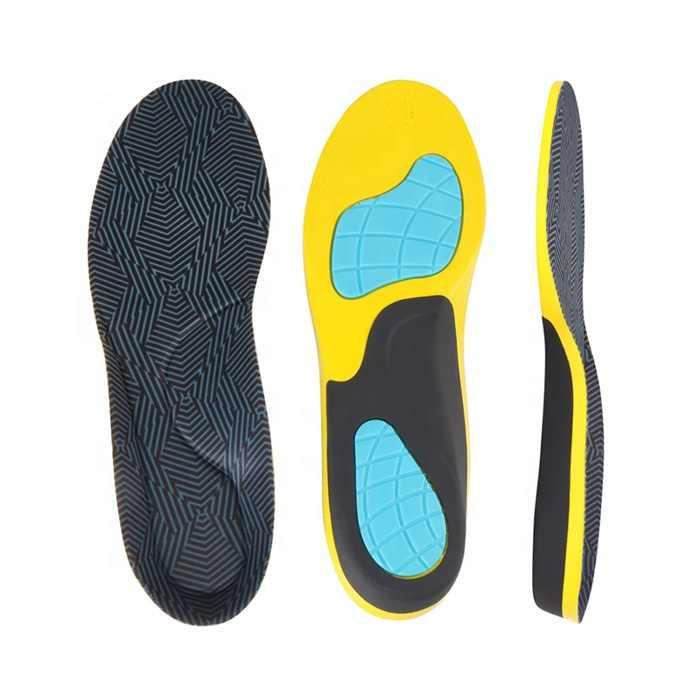
Heavy Duty Support: Finding the Perfect Insoles for Larger Builds
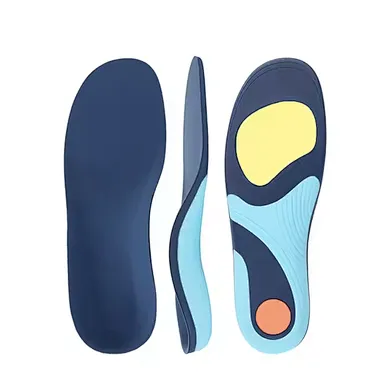
Experience reliable stability with premium support insoles engineered for heavier athletes. Our durable orthotics provide enhanced arch support and impact absorption to reduce joint stress during running, training, or daily wear.
Heavy Duty Support: Finding the Perfect Insoles for Larger Builds
Table of Contents
- Introduction: Why Weight Matters in Foot Support
- The Science of Support: Pressure, Arch, and Cushioning
- Core Features of Heavy‑Duty Insoles
- Types of Insoles for Larger Builds
- How to Choose: A Step‑by‑Step Guide
- Expert Perspectives on Bariatric Foot Health
- Common Mistakes When Buying Insoles
- Industry FAQ
- Conclusion & Final Recommendations
Introduction: Why Weight Matters in Foot Support
For individuals with a larger build, everyday standing and walking place extraordinary demands on the feet. The feet are the foundation of the body, and when that foundation is subjected to higher loads, the risk of pain, instability, and long‑term joint issues multiplies. Standard insoles often collapse under increased pressure, leading to insufficient arch support and accelerated fatigue. That’s where heavy duty insoles come into play—engineered specifically to withstand greater forces while maintaining structure and comfort. This guide explores everything you need to know about selecting the perfect insoles for larger builds, from material science to expert advice, so you can move with confidence and stability.
The Science of Support: Pressure, Arch, and Cushioning
To understand why specialized insoles are necessary, we must look at plantar pressure distribution. A person weighing 250 pounds exerts roughly two to three times more force on their feet during walking compared to someone weighing 150 pounds. Without adequate support, the natural fat pad under the heel and forefoot compresses prematurely, and the arch can flatten—a condition known as overpronation. Quality insoles for larger builds are designed with higher‑density foams, reinforced arch structures, and deep heel cups to cradle the foot and disperse impact. This not only reduces localized pain but also protects knees, hips, and the lower back.
Core Features of Heavy‑Duty Insoles
Not all insoles marketed as “supportive” are suitable for heavier individuals. True heavy‑duty models incorporate:
- High‑density base layer – usually made of polyurethane or EVA with a Shore hardness above 40–50A, ensuring the insole doesn’t bottom out.
- Rigid or semi‑rigid arch support – often reinforced with a polymer shell that maintains shape under load.
- Deep heel cup – to encase the heel fat pad and improve stability.
- Multi‑layer cushioning – combining memory foam, gel pods, or Poron for shock absorption without sacrificing durability.
- Moisture‑wicking top fabric – essential for preventing blisters and odor during prolonged wear.
Why Density Matters More Than Thickness
A common misconception is that thicker equals better. In reality, a thick but soft insole will compress completely under a heavy load, offering little support. Look for terms like maximum support, extra firm, or clinical grade—these indicate the insole is engineered to resist deformation.
Types of Insoles for Larger Builds
There are three main categories, each suited to different needs and footwear.
Full‑Length Insoles
These replace the factory insole entirely. They provide end‑to‑end support and are ideal for work boots, athletic shoes, and everyday sneakers. Full‑length heavy‑duty insoles often feature a graduated thickness—thicker in the heel for shock absorption and slightly thinner in the forefoot for toe flexibility.
3/4 Length Insoles
Designed to fit from the heel to just behind the toes, they work well in shoes with limited space (like dress shoes). They focus on arch and heel support and are usually more rigid due to their compact design. Many larger‑build individuals prefer them because they don’t crowd the toe box.
Custom Orthotics vs. OTC Heavy‑Duty
While custom orthotics prescribed by a podiatrist are tailored to your exact foot shape, high‑quality over‑the‑counter (OTC) heavy‑duty insoles have improved dramatically. Many now offer heat‑moldable options that contour to the arch after a few wears, striking a balance between personalization and affordability.
If you're on the hunt for footwear solutions that can handle higher impact and provide lasting comfort, switching up your insoles can be just as important as changing your shoes. Here are three standout options designed specifically with the needs of heavier athletes and individuals in mind.
First, for those who need a robust foundation, the EVA + PU + Nylon model is a powerhouse. This combination utilizes a firm nylon base for structural support and torsional stability, preventing the shoe from twisting excessively. Layered above that, a blend of EVA and PU foam works overtime to absorb the brute force of heel strike, offering exceptional shock attenuation while resisting the flattening effect that plagues lesser insoles over time.
If you are dealing with specific arch discomfort or overpronation, the 3/4 Length Orthotic might be your perfect match. Crafted from a rigid yet lightweight polyurethane (PU) base and reinforced with TPU for added durability, this insole provides structured support exactly where you need it. The 3/4 design means it won't crowd your toes, while the integrated gel pods in the heel and forefoot act as mini shock absorbers, cushioning the high-pressure zones that typically cause pain for heavier users.
Finally, for the ultimate in personalized care, the Heat-Moldable Custom Insole is a game-changer. Made from a reactive foam compound, this insole is designed to be heated in your oven and then instantly customized by simply standing on it. As the material cools, it hardens to form a perfect imprint of your unique foot arch and contours. This bespoke fit ensures that your weight is distributed evenly across the entire foot, eliminating pressure points and providing a level of support that generic, off-the-shelf insoles simply cannot match.


How to Choose: A Step‑by‑Step Guide
Selecting the right insole involves more than grabbing the sturdiest-looking pair. Follow this systematic approach.
1. Analyze Your Foot Type
Perform the “wet test”: wet your foot and step on a piece of cardboard. A flat imprint (nearly the whole foot) indicates low arches needing firm support; a narrow curve indicates high arches requiring cushioning. For larger builds, even flat feet may need a motion control insole with a medial post.
2. Consider Your Primary Activity
- Standing all day (industrial, retail): Prioritize arch support and energy‑return materials like polyurethane.
- Walking / running: Look for heel strike absorption and forefoot flexibility, plus durable top covers.
- Casual / everyday: Balance comfort with moderate control; gel/foam hybrids work well.
3. Match Insole Volume to Your Shoes
Heavy‑duty insoles are thicker—ensure your shoes have removable factory insoles and enough depth. Boots and athletic shoes usually accommodate them; loafers or flats may not.
4. Check Material Specifications
Read product details for weight limits. Some brands explicitly state “supports up to 250 lbs” or “extra heavy duty.” Don’t exceed these guidelines, as the insole will break down faster.
Expert Perspectives on Bariatric Foot Health
“For patients with a higher body mass index, the foot’s soft tissues are subjected to compressive and shear forces that can lead to plantar fasciitis, metatarsalgia, and even stress fractures. A proper insole acts as a suspension system—it must be firm enough to support, yet compliant enough to absorb shock. I often recommend a semi‑rigid orthotic with a deep heel cup and a polypropylene shell. It redistributes pressure away from sensitive areas and improves proprioception, which helps with balance.”
— Dr. Elena M. Rodriguez, DPM, Fellow of the American College of Foot and Ankle Orthopedics
Experts also stress the importance of gradual adaptation. When switching to a firm, supportive insole, wear it for a few hours the first day and slowly increase time to allow muscles and fascia to adjust.
Common Mistakes When Buying Insoles for Larger Builds
- Choosing fashion over function: Ultra‑soft gel insoles feel great in the store but collapse under sustained load.
- Ignoring shoe width: A supportive insole in a narrow shoe creates pressure points. Always try insoles with your widest pair of shoes.
- Not replacing worn‑out insoles: Even heavy‑duty insoles have a lifespan—typically 6–12 months depending on usage. Once the arch flattens or the foam compresses permanently, it’s time for a new pair.
- Skipping the break‑in period: Jumping into full‑day wear can cause foot cramps. Break them in gradually.
Industry FAQ: Heavy Duty Insoles
Can heavy‑duty insoles help with back pain?
Yes. By improving foot alignment and reducing excessive pronation, they can positively affect the kinetic chain, easing stress on knees, hips, and the lower back. Many users report significant relief.
Are there specific insoles for diabetic individuals with larger builds?
Absolutely. Look for insoles with plush, non‑irritating top covers (like bamboo or friction‑free fabrics) and deep cushioning to prevent pressure ulcers. Some brands design specifically for neuropathic feet, combining heavy‑duty support with protective padding.
How do I clean heavy‑duty insoles?
Most are hand‑wash only. Use mild soap, lukewarm water, and air dry away from direct heat. Never machine wash or dry, as this breaks down the structural layers.
Will firm insoles make my shoes feel tighter?
They can, especially if your shoes are already snug. Consider sizing up half a size in athletic shoes if you plan to use thick, heavy‑duty insoles. Alternatively, choose 3/4 length insoles that free up toe space.
Do I need a prescription for heavy‑duty insoles?
No—many excellent options are available over‑the‑counter. However, if you have severe foot deformities or chronic pain, consult a podiatrist for a custom assessment. They might recommend a rigid orthotic that OTC products cannot replicate.
Conclusion & Final Recommendations
Finding the perfect insole for a larger build is not a luxury—it’s an investment in long‑term mobility and comfort. The right pair of heavy duty insoles will stabilize your feet, absorb harmful shock, and reduce fatigue, allowing you to stand, walk, and live with less pain. Remember these key takeaways:
- Prioritize density and structure over softness.
- Match the insole type to your activities and shoe volume.
- Listen to expert advice—break them in and replace them regularly.
- Don’t overlook the synergy between insoles and proper footwear.
Whether you’re on a construction site, walking for fitness, or simply navigating daily life, the support beneath your feet matters. Take the time to choose wisely, and your body will thank you for years to come.


5 Signs It's Time to Replace Your Old Insoles