Are Toe Separators Really Effective?
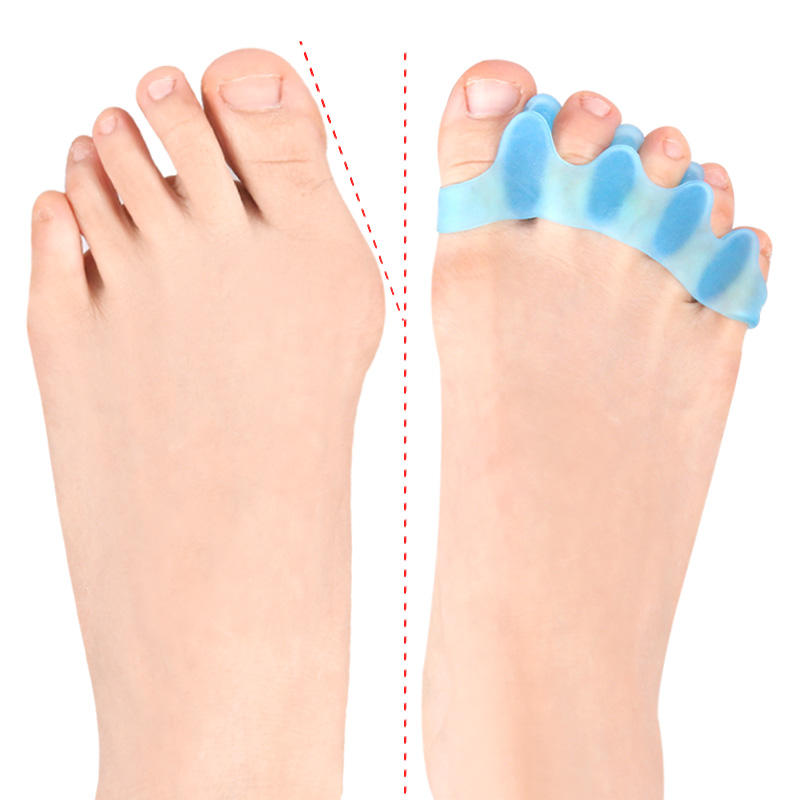
Discover comfortable toe spreaders designed to relieve foot pain and improve alignment. Our soft, flexible separators gently realign toes to reduce bunions, hammer toes, and ball-of-foot pressure. Ideal for barefoot recovery or wearing with socks.
Are Toe Separators Really Effective?
Benefits, Uses & Science Explained - A Comprehensive Guide to Toe Alignment and Foot Health
Table of Contents
What Are Toe Separators?
Toe separators (also known as toe spacers) are simple devices designed to create space between your toes, promoting natural alignment and reducing compression caused by restrictive footwear. They come in various forms including silicone spacers, foam separators, gel pads, and even integrated orthotic systems that combine separation with arch support.
Originally developed to address specific foot conditions like bunions (hallux valgus) and hammertoes, toe separators have gained popularity for preventive care and general foot health maintenance. They work by gently spreading the toes apart, counteracting the effects of narrow shoes that force toes together.
Primary Types of Toe Separators:
- Silicone separators - Flexible, durable, and often used for bunion correction
- Gel separators - Extra cushioning for sensitive feet or post-surgical recovery
- Yoga toes - Full-foot devices that separate all toes simultaneously
- Toe alignment socks - Socks with built-in separators for overnight use
- Custom orthotic spacers - Professionally fabricated for specific foot geometries
The Science Behind Toe Separators
The effectiveness of toe separators is grounded in biomechanical principles and our understanding of foot evolution. Modern shoes with narrow toe boxes have altered natural foot mechanics, leading to various musculoskeletal issues.
Biomechanical Research Findings
Studies in podiatry and sports medicine demonstrate that proper toe alignment:
- Improves weight distribution across the forefoot during gait
- Enhances proprioception (body position awareness) and balance
- Reduces excessive pronation (inward rolling of the foot)
- Decreases strain on the plantar fascia and metatarsal bones
The Natural Foot Position Argument
Observing populations that don't wear constrictive footwear reveals naturally splayed toes that provide a wider, more stable base. Toe separators attempt to recreate this natural alignment that modern shoes disrupt. Research indicates that just 20-30 minutes of daily toe separation can begin to reverse some effects of long-term shoe wear.
Key Benefits of Using Toe Separators
1. Bunion Prevention and Management
By reducing pressure on the metatarsophalangeal joint, toe separators can slow bunion progression and alleviate pain. They don't reverse existing deformities but can prevent worsening.
2. Improved Balance and Stability
Splayed toes create a wider base of support, enhancing static and dynamic balance. This is particularly beneficial for athletes and older adults at risk of falls.
3. Relief from Neuromas and Nerve Pain
Toe separators reduce compression of interdigital nerves, providing relief from conditions like Morton's neuroma.
4. Enhanced Foot Muscle Function
Separated toes allow intrinsic foot muscles to engage properly, combating muscle atrophy caused by restrictive footwear.
5. Post-Surgical Recovery Aid
After bunion or hammertoe surgery, separators maintain alignment during healing and prevent scar tissue contraction.


Different toe separators deliver distinct benefits. They work to gently separate and realign toes, helping them return to their natural position. This can reduce friction on the outer sides of the big and little toes, and certain designs also aid in correcting bunions. Soft, comfortable, compact, and lightweight, they are suitable for wearing with various types of shoes.
How to Use Toe Separators Effectively
Starting Gradually
Begin with just 15-20 minutes daily, gradually increasing to 1-2 hours as your feet adapt. Overnight use is common once tolerance develops.
Combining with Foot Exercises
For best results, pair separator use with toe-spreading exercises, arch lifts, and foot doming to strengthen intrinsic muscles.
Choosing the Right Separator
Select based on your specific needs: silicone for durability, gel for sensitivity, or custom-fabricated for severe conditions.
Consistency Over Intensity
Regular, gentle separation is more effective than aggressive, infrequent use. Listen to your body's signals and adjust accordingly.
Connection to Orthotic Insoles
Synergistic Relationship Between Toe Separators and Insoles
While toe separators address forefoot alignment, orthotic insoles provide arch support and heel stabilization. Used together, they create comprehensive foot rehabilitation:
- Combined products now integrate separators with full-length insoles
- Insoles with metatarsal pads work synergistically with toe spacers
- Custom orthotics can be fabricated to include both functions
This combination is particularly effective for conditions like plantar fasciitis where both arch collapse and toe misalignment contribute to symptoms.
Integrated Foot Care Systems
Advanced foot care now recognizes that toe alignment and arch support are interconnected. Some innovative products combine:
- 3D-printed insoles with built-in toe separators
- Socks with separation features and arch support bands
- Modular systems allowing customization of both components
Expert Opinions on Toe Separators
"Toe separators play a valuable role in preventive foot care. The research is clear that maintaining natural toe splay improves gait mechanics and reduces forefoot pressure. For patients with early-stage bunions or those recovering from foot surgery, I often recommend toe separators as part of a comprehensive treatment plan that includes proper footwear and specific exercises."
Dr. Rebecca Simmons, DPM
Board-Certified Podiatrist and Biomechanics Researcher
Director, Center for Advanced Foot Care
Clinical Perspectives
Most foot specialists agree that toe separators are:
- Effective for symptomatic relief of mild to moderate foot conditions
- Useful as preventive tools for those at risk of foot deformities
- Limited in reversing advanced structural changes without surgical intervention
- Best used consistently over extended periods for measurable benefits
Research Consensus
Current literature suggests toe separators show statistically significant improvements in:
- Forefoot pain scores (average 40% reduction in studies)
- Balance metrics in older adult populations
- Pressure distribution during walking
- Patient-reported comfort with footwear
FAQs About Toe Separators
How long does it take to see results from toe separators?
Most users notice initial comfort improvements within 1-2 weeks. Structural changes and significant pain reduction typically require consistent use for 2-3 months. Maximum benefits for conditions like bunion progression prevention may take 6-12 months of regular use.
Can toe separators be worn with shoes?
This depends on the design. Slim silicone separators often fit in wide-toe-box shoes, but most separators are designed for barefoot use. Some integrated insole-separator combos are specifically made for shoe wear. Always ensure your shoes have adequate space to avoid increased pressure.
Are toe separators safe for everyone?
Most people can safely use toe separators, but those with circulation issues, diabetic neuropathy, or active infections should consult a podiatrist first. Start with shorter wear times and monitor for any adverse reactions like increased pain or skin irritation.
Do toe separators really reverse bunions?
No, toe separators cannot reverse structural bone changes in advanced bunions. They can help slow progression, reduce pain, and improve alignment in early-stage bunions. For significant deformities, surgical correction remains the definitive treatment.
How do I clean and maintain toe separators?
Most silicone or gel separators can be washed with mild soap and water. Allow them to air dry completely before reuse. Replace separators every 6-12 months or when they show signs of wear, loss of elasticity, or permanent deformation.
Conclusion
Toe separators are indeed effective for specific purposes when used appropriately. They offer measurable benefits for pain relief, prevention of further deformity, and improvement of foot function—particularly when combined with other interventions like proper footwear, foot exercises, and orthotic insoles.
While not a miracle cure for advanced structural foot problems, toe separators represent a valuable tool in both preventive foot care and comprehensive treatment plans. The science supports their use for improving alignment, distributing pressure more evenly, and enhancing proprioception.
For optimal results, approach toe separators as part of a holistic foot health strategy. Consult with a foot specialist for personalized recommendations, especially if you have existing foot conditions. Remember that consistency and proper technique matter more than intensity when using these devices.


What Are Foot Care Products For?Complete Guide to Uses of Toe Separators, Bunion Correctors, Pads, Insoles & More
How to Relieve High Heel Pain with Insoles: A Complete Guide