Why Your Sandals Need Arch Pads This Summer
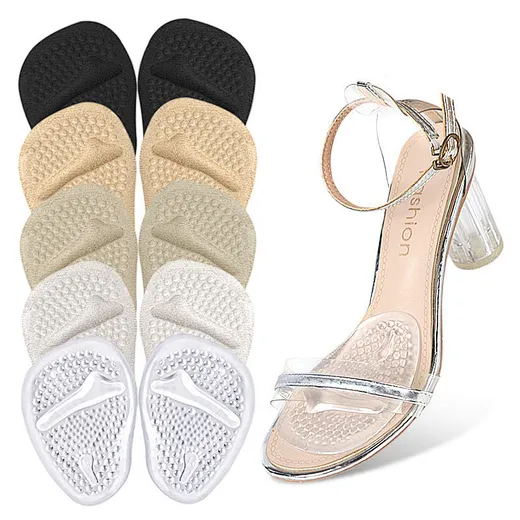
Discover high heel inserts arch support designed to relieve ball-of-foot pain and reduce strain while maintaining style. Our ultra-slim orthotics fit seamlessly into pumps and stilettos, providing targeted cushioning and stability for all-day comfort.
Why Your Sandals Need Arch Pads This Summer
In this article
1. Introduction: Barefoot summer?
Summer is synonymous with sandals — flip‑flops, slides, strappy flats, and minimalist leather soles. But while your feet breathe free, your arch ligaments might be silently screaming. Without proper support, even the chicest sandal can lead to fatigue, arch strain, or long‑term misalignment. Enter the unsung hero: arch pads. These discreet inserts transform your summer footwear into a cradle of comfort. In this guide, we’ll explore why arch pads aren’t just an add‑on — they’re a summer essential for happy feet.
2. The hidden cost of flat sandals
That picture‑perfect flat sandal often lacks any contour. Walking in unsupported footwear forces your foot’s natural arch to collapse with every step, overstretching the plantar fascia. According to the American Podiatric Medical Association, lack of arch support is a top contributor to plantar fasciitis, shin splints, and knee pain. In summer, we log more steps — vacations, farmer’s markets, beach walks — so the cumulative strain multiplies.
The difference between sandals and sneakers
Sneakers usually have built-in arch cookies and structured midsoles. Sandals? Most are flat as a pancake. Adding a shoe insole with an integrated arch pad bridges that gap. It mimics the support your foot craves, without sacrificing the airy feel of sandals.
3. What are arch pads? (And why they’re not all the same)
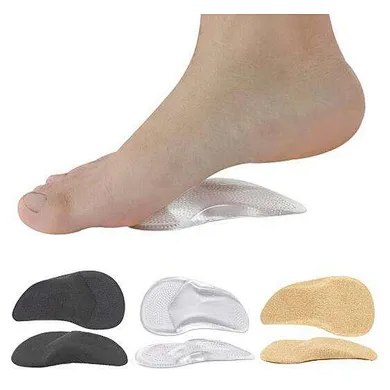
Arch pads (also called arch supports or inserts) are contoured cushions that sit under the medial arch of your foot. They lift and cradle the arch, redistributing pressure away from the heel and ball.
Materials matter
Modern arch pads come in various forms: gel pads for shock absorption, cork for semi‑rigid structure, memory foam for soft comfort, and medical‑grade silicone for durability. Some are full‑length shoe insoles; others are half‑length pads that stick directly onto the sandal footbed.
Adhesive vs. removable
Adhesive arch pads stay put inside sandals, while removable ones let you swap between pairs. Both serve the same purpose: to give your arch a hammock‑like lift so your foot doesn’t pancake.
4. Sandals + Arch Pads: A perfect summer marriage
Slip a well‑designed arch pad into your sandal and suddenly the dynamics change. Your body weight transfers more evenly, reducing hot spots. The intrinsic foot muscles can relax instead of constantly gripping to keep you stable.
Types of sandals that benefit most
🔹 Flip‑flops: notoriously flat — arch pads add contour.
🔹 Fisherman sandals: lots of straps but zero arch — inserts change everything.
🔹 Espadrilles: cute but often unsupportive — a thin insole works wonders.
🔹 Slides: perfect for cushioned arch pads because there’s usually room.
What about minimalist sandals?
Even “barefoot” style sandals can accommodate a slim arch pad if you need transitional support. The key is thickness — choose low‑profile versions (2‑4 mm) that don’t crowd your toes.
If you're someone who loves wearing sandals or heels but often finds them lacking in proper support, these gel-based arch supports are about to become your new best friend. Designed with comfort and discretion in mind, they feature a soft, flexible gel material that molds effortlessly to the natural shape of your foot. Unlike bulky insoles, these arch pads are slim, lightweight, and virtually invisible, making them the perfect companion for open-back or open-toe footwear.
What sets them apart is their self-adhesive backing, which keeps them securely in place throughout the day—no slipping, no readjusting. Whether you're strolling through the city in strappy sandals or dancing the night away in your favorite heels, you'll get consistent cushioning and arch support with every step. The gel also helps absorb shock and reduce pressure on your feet, so you can stay on your feet longer without discomfort.
Elegant, practical, and easy to use—these arch supports are a simple way to turn even the most stylish shoes into comfort-ready favorites.


5. What podiatrists and experts say
“I often tell my patients: ‘Your sandals don’t have to hurt to be stylish.’ Adding a simple arch pad can prevent the summer slump of arch pain. Look for a pad that’s firm enough to resist compression, but soft enough to feel pleasant. And don’t forget — a good shoe insole with arch support also improves alignment for your knees and hips.”
— Dr. Monica Hayes, DPM, American Academy of Podiatric Sports Medicine
Research published in the Journal of Foot & Ankle supports this: test subjects wearing sandals with added arch supports reported 63% less foot fatigue after 4 hours of walking compared to flat sandals alone.
6. How to choose & apply arch pads in sandals
Not all arch pads are sandal‑friendly. Here’s a quick system.
Step 1 — Know your arch type
Wet your foot and step on a dark surface. If you see almost a full footprint, you have low arches (need more structured support). If only the heel and forefoot connect, you have high arches (need cushioning).
Step 2 — Pick the right density
Low arches: semi‑rigid arch pads (cork or hard foam). High arches: soft gel or padded fabric.
Step 3 — Placement inside the sandal
Position the pad so the highest point sits under the arch’s apex — usually about two‑thirds of the way back from the toes. Stick it firmly, then wear for 15 minutes to test.
Pro tip: Combine with a full insole?
If your sandal has a deep footbed (like some birkenstock styles), you can swap the original footbed for a full‑length supportive shoe insole with built‑in arch. For thin sandals, stick with half‑length pads.
7. Beyond arch pads: total summer foot care
Arch pads are stars, but they work best as part of a routine. Stretch your calves and plantar fascia each morning. Stay hydrated to maintain tissue elasticity. And rotate sandals so you don’t wear the same pair two days straight — this gives the padding time to rebound.
Also consider: if you’re on your feet all day, pairing arch pads with a metatarsal pad can offload the forefoot even more. Some hybrid insoles include both features.
8. Industry FAQ — Your questions answered
Yes, but cheap flip‑flops often have a very thin sole — the pad might be felt underfoot. Choose ultra‑thin (1.5 mm) adhesive arch pads for minimal sandals, or upgrade to a sandal with a removable footbed.
They take up a little volume. If your sandals are already snug, go for a low‑profile pad. Many people find that with the improved foot position, they actually prefer a slightly more secure fit.
With daily use in summer heat, expect 3‑6 months. Sweat and friction break down adhesive. Clean the sandal footbed before applying and replace when they lose stickiness.
Yes, but choose waterproof materials (EVA or silicone). Avoid cork or uncoated foam if you’ll be near water — they can degrade.
Custom orthotics usually already contain arch support. In that case, you’d transfer your orthotic into a sandal that can accommodate it (deep‑heeled styles). But for general support, an arch pad is a simpler start.
9. Conclusion: Step smarter this summer
Your sandals don’t have to be a pain in the arch. By adding a quality arch pad — essentially a mini shoe insole for your summer footwear — you give your feet the lift they deserve. Whether you opt for gel, cork, or foam, the principle is simple: support the arch, reduce strain, and enjoy every barefoot‑feeling step. This summer, let your sandals and arch pads walk hand in hand toward happier feet.
👉 Remember: If you experience persistent pain, consult a podiatrist. But for most of us, a small pad makes a huge difference. Try it — your feet will thank you in September.


Heel Spurs No More: Cushioned Heel Pads for Shock Absorption
High Heels Hurting? How Ball of Foot Cushions Save Your Feet (and Your Shoes)