What Are Toe Separators and Why Your Toes Need Them

Straighten misalignment with the best toe separators for overlapping toes. Designed to gently realign and reduce friction, our medical-grade silicone separators relieve pain and improve toe positioning. Ideal for daily wear, bunions, and crooked toes.
What Are Toe Separators and Why Your Toes Need Them
Table of Contents
- Introduction
- What Are Toe Separators? (Definition & Types)
- Why Your Toes Need Them: Key Benefits
- The Role of Shoe Insoles in Maximizing Toe Separator Benefits
- How to Use Toe Separators Correctly (Day vs. Night)
- Expert Insights on Toe Alignment
- Common Mistakes to Avoid
- Frequently Asked Questions (FAQ)
- Conclusion
Introduction
Our feet carry us thousands of miles, yet we often neglect the smallest yet most vital parts: our toes. Toe deformities, pain, and discomfort are common complaints, but a simple tool can make a world of difference. Toe separators are becoming a staple in modern foot care routines. But what exactly are they, and why do your toes desperately need them? This comprehensive guide will walk you through everything, including how combining them with proper shoe insoles can revolutionize your foot health.
What Are Toe Separators? (Definition & Types)
Toe separators (also known as toe spacers) are small devices—typically made from medical-grade silicone, gel, or foam—designed to be placed between the toes. Their primary function is to maintain natural spacing, prevent overlapping, and gently realign toes to their anatomically correct positions.
Common Types of Toe Separators
There are several designs tailored to different needs:
- Individual Toe Spacers: Small rings or sleeves that fit between specific toes, ideal for targeted correction.
- Full Toe Separator Sheets: A comb-like design that separates all five toes simultaneously, often used for yoga or relaxation.
- Gel Sleeves with Separators: Combine separation with cushioning, perfect for sensitive skin or arthritic toes.
Regardless of type, the core purpose remains: to combat the effects of years of wearing narrow, pointed shoes that force toes into unnatural positions.
Why Your Toes Need Them: Key Benefits
Modern footwear often compresses toes, leading to conditions like bunions, hammertoes, and neuromas. Incorporating toe separators into your routine can reverse some of this damage.
Benefit 1: Correct Toe Alignment
By gently pushing toes apart, separators encourage proper skeletal alignment. This reduces friction and pressure that cause corns and calluses.
Benefit 2: Relief from Bunions and Overlapping Toes
For those with bunions, toe separators can alleviate pain by reducing the angle of the big toe drifting toward the second toe. They create space, easing joint stress.
Benefit 3: Enhanced Balance and Foot Function
Toes play a crucial role in balance. Separators allow toes to splay naturally, providing a wider base of support and improving proprioception (awareness of foot position).
Benefit 4: Post-Exercise Recovery
Athletes and runners often use separators post-workout to stretch fatigued foot muscles and prevent cramping.
If you suffer from bunions or simply struggle with overlapping toes, you know how much discomfort misaligned feet can cause. Fortunately, a simple solution exists: toe separators. Today, we are looking at two models designed to help realign your feet and ease bunion pain, both crafted from the same high-quality, skin-safe material.
Both of these toe separators are made from SEBS (Styrene-Ethylene-Butylene-Styrene) . This is a step above traditional materials; SEBS is a medical-grade thermoplastic elastomer that is hypoallergenic, latex-free, and non-toxic. It offers a soft, gel-like feel without the sticky residue or strong chemical smell often associated with cheaper PVC or jelly options. This makes them comfortable for extended wear, whether you are walking around the house or relaxing on the couch.
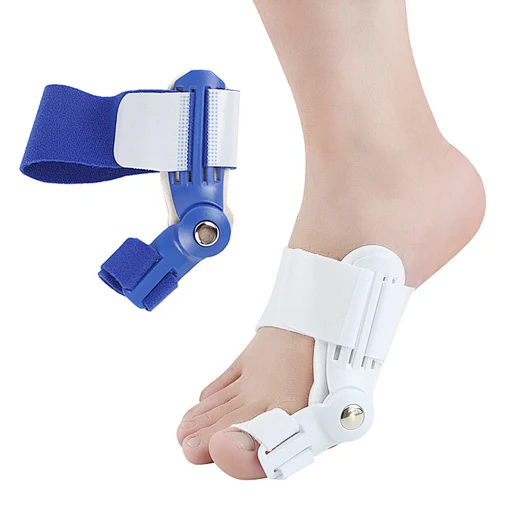
The primary function of these tools is therapeutic alignment. By gently slipping between the toes, they work to separate and guide the digits back to their natural anatomical position. This separation is key to alleviating the pressure on the bunion joint (the metatarsophalangeal joint) . By reducing this friction and realigning the big toe, these separators help decrease inflammation and pain associated with bunions, allowing your feet to rest and recover.


The Role of Shoe Insoles in Maximizing Toe Separator Benefits
While toe separators focus on toe alignment, they work best when paired with proper foundational support. This is where shoe insoles come into play.
Why Insoles Are Essential
Shoe insoles provide arch support, cushioning, and shock absorption. When your arch is properly supported, the entire foot structure—including toes—functions more efficiently. Insoles prevent overpronation (rolling inward of the foot), which can exacerbate toe misalignment.
Types of Insoles That Complement Toe Separators
- Arch Support Insoles: Help distribute pressure evenly, reducing strain on toes.
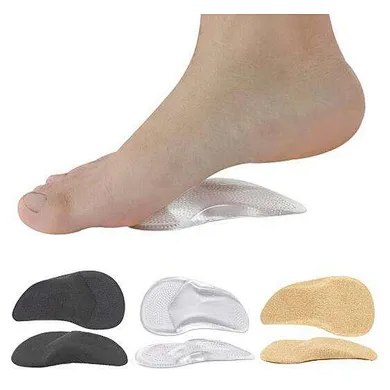
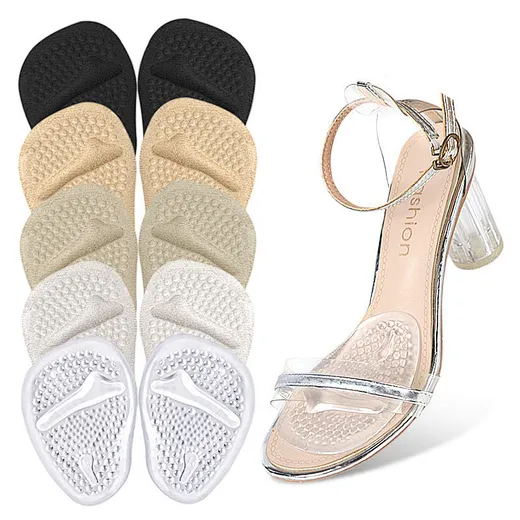
- Metatarsal Pad Insoles: Lift the metatarsal bones, relieving pressure on the ball of the foot and enhancing separator comfort.
- Cushioned Gel Insoles: Absorb impact, making it easier to wear separators inside shoes for longer periods.
Together, toe separators and shoe insoles form a powerful duo: one corrects toe positioning, the other stabilizes the entire foot.
How to Use Toe Separators Correctly (Day vs. Night)
To reap maximum benefits, it’s crucial to understand when and how to wear them.
Daytime Use: Active Separation
During the day, choose soft, flexible toe separators (like gel ones) that fit inside roomy shoes. Pair them with supportive shoe insoles to maintain comfort while walking. Start with 30-minute sessions and gradually increase as your feet adapt.
Nighttime Use: Passive Correction
At night, you can use slightly firmer separators or corrective splints. Since you’re not bearing weight, the toes can relax into proper alignment without interference. Consistency is key—wear them nightly for noticeable changes over weeks.
Pro Tip: Hygiene Matters
Always wash and dry your separators after each use to prevent bacterial buildup. Apply moisturizer to keep skin supple between toes.
Expert Insights on Toe Alignment
“Toe separators are an excellent non-invasive tool for maintaining foot health,” says Dr. Emily Hartman, DPM, a podiatrist specializing in biomechanics. “However, they shouldn’t be used in isolation. For patients with structural issues, I always recommend combining toe separators with custom or over-the-counter shoe insoles. This addresses the root cause—often poor foot mechanics—rather than just the symptoms.”
Dr. Hartman adds, “Think of it like this: separators train your toes, while insoles support your arches. Together, they create a stable foundation for the entire kinetic chain.”
Research also suggests that consistent use of toe spacers can improve blood circulation and reduce the risk of diabetic foot complications, though medical guidance is essential for such conditions.
Common Mistakes to Avoid
Even with the best intentions, misuse can hinder progress. Steer clear of these pitfalls:
- Wearing Tight Shoes with Separators: This defeats the purpose and can cause pain. Always wear wide-toe-box footwear.
- Skipping the Insole: Using separators without shoe insoles may provide only temporary relief, as underlying arch issues persist.
- Overdoing It Too Quickly: Start slow. Wearing separators for hours on day one can lead to muscle soreness.
- Ignoring Pain: Mild discomfort is normal, but sharp pain means you need to reassess size or usage time.
Frequently Asked Questions (FAQ)
Q1: Can I wear toe separators all day?
Yes, but only after gradual adaptation. Start with 20-30 minutes daily and increase wear time slowly. Ensure your shoes have a wide toe box and pair with shoe insoles for comfort.
Q2: Do toe separators really fix bunions?
They cannot reverse a severe bony deformity, but they can slow progression, reduce pain, and improve toe alignment. For best results, combine with orthotic shoe insoles and consult a podiatrist.
Q3: Are there any side effects?
When used correctly, side effects are minimal. Some users experience initial muscle fatigue or skin irritation. Opt for hypoallergenic silicone and maintain hygiene.
Q4: Which is better: gel or silicone separators?
Both are effective. Gel is softer and better for sensitive skin or daytime use, while silicone offers more durability and firmness for nighttime correction.
Q5: Can I use toe separators if I have diabetes?
Only under medical supervision. Diabetics have reduced sensation and poor circulation, so any device must be carefully monitored to prevent ulcers.
Q6: How do I choose the right shoe insole to pair with separators?
Look for insoles with good arch support and a deep heel cup. Avoid overly thick insoles that crowd the toe box. Brands like Superfeet, Powerstep, or custom orthotics work well.
Conclusion
Toe separators are more than just a trendy foot accessory—they are a therapeutic tool that can restore natural toe alignment, alleviate pain, and improve overall foot function. But to unlock their full potential, you must integrate them into a holistic foot care routine that includes proper footwear and, crucially, supportive shoe insoles. By understanding the "why" and "how," you empower yourself to take proactive steps toward healthier, happier feet. Remember, your toes carry you through life—give them the space they deserve.


High Heels Hurting? How Ball of Foot Cushions Save Your Feet (and Your Shoes)
Daytime Separation vs. Nighttime Correction: How to Combine Toe Care Products for Optimal Results