Can an Insole Be Both Soft and Supportive? The Technology Behind Comfort That Lasts

Discover the comfort of our supportive insole,engineered with firm arch support and contoured cushioning to reduce foot fatigue and improve alignment. Perfect for long hours of standing, walking, or active wear. Experience all-day stability.
Can an Insole Be Both Soft and Supportive? The Technology Behind Comfort That Lasts
Exploring How Modern Footwear Technology Achieves the Perfect Balance of Cushioning and Structural Support
Table of Contents
- The Great Debate: Softness vs. Support
- The Comfort-Support Paradox
- Core Technologies in Modern Insoles
- Multi-Density Layering
- Smart Material Engineering
- Zonal Engineering and 3D Mapping
- Real-World Applications and Benefits
- Expert Perspectives: Podiatrists Weigh In
- How to Choose the Right Insole
- Frequently Asked Questions (FAQ)
- Conclusion: The Future of Foot Comfort
The Great Debate: Softness vs. Support
For decades, consumers and footwear manufacturers have grappled with what seemed like an impossible choice: insoles that provide plush, immediate comfort or those that offer firm, lasting support. Traditional wisdom suggested that these were mutually exclusive qualities—soft materials would compress and fail to support, while supportive structures would feel hard and uncomfortable. Today, advances in material science and biomechanical engineering have shattered this myth. Modern shoe insoles can indeed deliver both exceptional cushioning and precise anatomical support, revolutionizing how we experience comfort in footwear.
The purpose of an insole extends far beyond a simple footbed. High-performance insoles serve as the interface between your foot and your shoe, working to absorb impact, distribute pressure evenly, align the foot and ankle, and enhance overall biomechanical efficiency. Achieving the dual goal of plush comfort and structural support requires sophisticated technology and a deep understanding of human physiology.
The Comfort-Support Paradox
The perceived conflict between softness and support stems from the physical properties of materials. Memory foam, for example, is wonderfully soft and molds to the foot, but when used alone, it can bottom out under pressure, failing to maintain arch integrity. Conversely, rigid thermoplastic or carbon fiber provides excellent arch support but can feel unforgiving on the heel and metatarsal areas.
The Biomechanical Solution
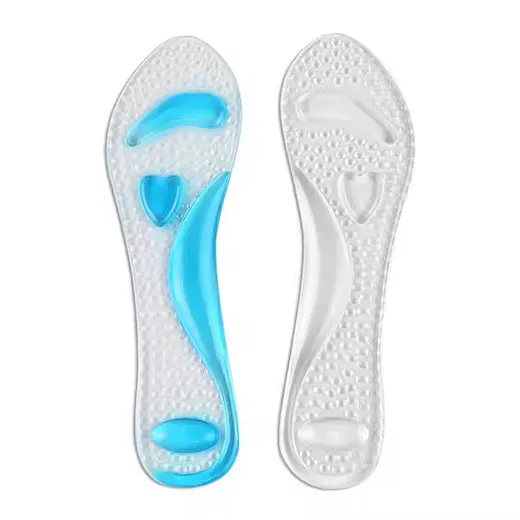
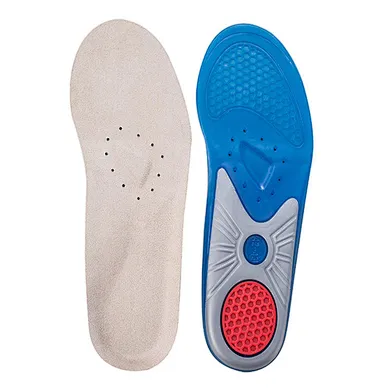
The resolution lies in strategic material placement and hybrid construction. Rather than using a single material, engineers design insoles with specific zones that perform different functions. The heel cup, for instance, might utilize a viscoelastic gel for shock absorption, while the arch is reinforced with a semi-rigid thermoplastic shell for support. This approach allows the insole to provide targeted cushioning where impact is highest and dynamic support where stability is crucial.
Core Technologies in Modern Insoles
The breakthrough in creating insoles that are both soft and supportive comes from several key technological innovations.
Multi-Density Layering
This is the foundation of dual-performance insoles. Manufacturers layer materials of different densities and rebound properties into a single unit. A typical construction might include:
- Top Comfort Layer: A soft, breathable fabric (like antimicrobial bamboo charcoal foam) for moisture management and immediate comfort.
- Shock Absorption Layer: A mid-layer of viscoelastic polymer or proprietary gel that dissipates impact energy.
- Support Core Layer: A firmer, molded layer (often EVA or polyurethane of higher density) that provides the structural arch support and heel cradle.
- Base Stabilizing Layer: A durable, often anti-slip, bottom layer that interfaces with the shoe.
This multi-density architecture ensures that softness and support are not competing but cooperating to enhance foot health and comfort.
Smart Material Engineering
Advanced materials have been game-changers. These include:
- Viscoelastic Polymers (Memory Foam/Gel Hybrids): Modern versions are engineered to have a "slow recovery" for cushioning but a "high energy return" to aid propulsion, preventing the bottomed-out feeling.
- Thermoplastic Polyurethane (TPU): Used in arch supports, TPU can be flexible enough for comfort yet rigid enough to control overpronation.
- Aerospace-Grade Foams: Lightweight foams originally developed for aircraft seating offer incredible strength-to-weight ratios, providing support without bulk.
- 3D Knitted Uppers: Some premium insoles now feature seamless, breathable uppers knitted in one piece for a soft, sock-like feel over a supportive chassis.
Zonal Engineering and 3D Mapping
Using pressure mapping data from thousands of feet, engineers create precision-zoned insoles. High-pressure areas like the heel and ball of the foot receive extra cushioning, while the medial arch and lateral side receive firmer reinforcement. This data-driven design ensures every part of the foot gets exactly what it needs.
When it comes to finding the perfect balance between cloud-like comfort and reliable, posture-supporting structure, the magic truly lies in the material composition. Two standout configurations have proven themselves in this regard.
The first features a sophisticated PU + TPU + Poron + Velvet build. This combination is a masterclass in layered comfort and adaptive support. The TPU core provides a sturdy, flexible skeleton that prevents sagging and promotes proper spinal alignment. This is then cushioned by resilient PU foam, which adds a plush, body-contouring feel. The real comfort secret weapon, however, is the top layer: a luxurious velvet fabric fused with Poron® foam. Poron® is a high-performance, open-cell material renowned for its exceptional pressure relief and long-term durability—it won’t bottom out like standard foams. The soft velvet finish makes this a delight against the skin, creating an immediate sense of cozy, welcoming comfort that lasts for hours without compromising on the essential support beneath.
For those seeking a more responsive and dynamically supportive experience, the EVA + TPU + Latex construction is a phenomenal choice. This trio works in perfect harmony. The EVA (Ethylene-Vinyl Acetate) base offers a lightweight yet firm foundation with excellent shock absorption, making it both supportive and durable. Integrated TPU elements enhance this structure, often in key zones, to provide targeted stability and prevent rolling or sinking. The crown jewel is the natural or blended latex layer. Latex is celebrated for its buoyant, springy resilience—it contours to your body’s curves while actively pushing back with supportive pressure relief. This creates a uniquely balanced "lifted" feeling, keeping you properly aligned and cool (thanks to latex's natural breathability), making it ideal for those who prefer a more energetic and ergonomic support system.
Ultimately, the PU-based blend is your go-to for plush, pressure-melting luxury, while the EVA and latex combo excels at responsive, buoyant, and breathable support. Both are outstanding paths to achieving that coveted sweet spot where comfort seamlessly meets support.


Real-World Applications and Benefits
Combining softness and support isn't just about comfort—it has tangible benefits for various users:
- For Athletes: Cushioning reduces joint impact during running or jumping, while medial support stabilizes the foot for efficient energy transfer and injury prevention.
- For Professionals on Their Feet: Nurses, teachers, and retail workers experience reduced fatigue and foot pain as pressure is evenly distributed, and the arch is maintained throughout long shifts.
- For Individuals with Medical Conditions: Those with plantar fasciitis, flat feet, or diabetes benefit from a supportive structure that offloads stressed tissues, coupled with a soft surface that prevents ulceration or irritation.
The dual-purpose insole thus becomes a proactive tool for foot health, not just a reactive solution for discomfort.
Expert Perspectives: Podiatrists Weigh In
"The question of 'soft vs. supportive' is one I hear daily in my practice," says Dr. Sarah Chen, DPM, a sports podiatrist. "The truth is, the best insole must be both. A soft material alone allows the arch to collapse, leading to overpronation and strain on the plantar fascia. A rigid support alone can create pressure points. Modern multi-zone insoles are revolutionary because they provide adaptive comfort. The cushioning protects joints, while the supportive structure guides the foot into a neutral position, which is essential for both treating and preventing common foot ailments."
Dr. Marcus Johnson, a biomechanics researcher, adds: "Our studies show that the ideal insole manages the energy of foot strike. It must first cushion (absorb and dissipate vertical energy) and then control (redirect horizontal energy to stabilize motion). The latest hybrid material stacks are engineered to do just that. They use a soft top layer for comfort, a middle layer with specific dampening properties, and a supportive base that acts as a guide rail for the foot. This is the essence of biomechanically intelligent design."
How to Choose the Right Insole
To find an insole that successfully combines softness and support, look for these features:
Key Features to Identify:
- Pronounced Heel Cup: A deep, cushioned cup that cradles the heel for stability and shock absorption.
- Anatomically Contoured Arch: Not just a bump, but a graduated, firm-yet-flexible support that matches your arch height (low, medium, or high).
- Metatarsal Pad: A soft, raised area under the ball of the foot to relieve pressure and prevent nerve compression.
- Multi-Layer Construction: Visible or described layers with different functions.
- Quality Materials: Look for names like Poron®, EVA, TPU, or viscoelastic gel in the product description.
Pro Tip:
When testing an insole, press your thumb into different zones. The heel and forefoot should feel soft and slowly rebound. The arch should resist your pressure significantly, indicating it will hold its shape under your body weight.
Frequently Asked Questions (FAQ)
1. Won't a soft insole just compress and lose its support over time?
This is a valid concern with low-quality, single-density foam. High-performance insoles use high-rebound materials and durable support cores (like nylon or TPU) that are engineered to resist permanent compression. The soft layers may compress temporarily under load but will rebound fully, while the supportive layers maintain their shape indefinitely.
2. Are these advanced insoles only for athletic shoes?
Absolutely not. While the technology is often pioneered in sports, it is equally applicable to dress shoes, work boots, and casual footwear. Many brands offer low-profile versions with the same layered technology designed to fit in slim-fitting shoes without altering the fit.
3. How long does it take to "break in" a supportive insole?
A well-designed insole should feel comfortable immediately due to its soft top layer. The supportive elements may feel noticeable but not painful. An initial adaptation period of 3-7 days is common as your feet and muscles adjust to the improved alignment. Persistent pain is a sign the support level or arch shape may be incorrect for your foot.
4. Can I cut these insoles to fit my shoe?
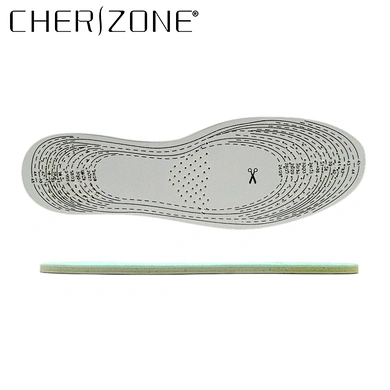
Many are trimmable, but proceed with caution. Always follow the manufacturer's guide. Trimming usually involves the length and width, but cutting into the structured arch or heel cup can completely destroy the insole's biomechanical function. It's best to buy the correct size.
5. What's the difference between drugstore insoles and premium ones?
The difference lies in technology and precision. Drugstore insoles often use a single piece of uniform foam with a generic arch. Premium insoles invest in multi-density layering, anatomical contouring based on foot scans, and advanced materials that provide both comfort and lasting, functional support. You are paying for engineering, not just material.
Conclusion: The Future of Foot Comfort
The dichotomy between soft comfort and firm support is a relic of the past. Through innovative material science, layered engineering, and biomechanically informed design, today's best insoles deliver the best of both worlds. They cradle your foot in immediate, plush comfort while providing the dynamic, intelligent support necessary for proper alignment, reduced fatigue, and long-term foot health.
When selecting an insole, look beyond simple cushioning. Seek out products that explicitly describe their multi-layer or zonal construction. Your feet are not uniform, and your insoles shouldn't be either. The ultimate goal is an insole that feels like a soft cloud but functions like a precision-engineered orthotic—a true partner in every step you take.


Insole Technology Unveiled: Gel, Memory Foam, or PORON®? Which Material is Right for You?