Memory Foam vs. Gel vs. Rigid Orthotics: Which Material Wins?

Experience perfect fit with custom feet insoles molded to your unique foot shape. These personalized orthotics provide targeted arch support, pressure relief, and alignment correction for superior comfort in daily and athletic use.
Memory Foam vs. Gel vs. Rigid Orthotics: Which Material Wins?
Table of Contents
Introduction: The Battle of the Insoles
The quest for perfect foot comfort and support often leads to a crucial decision: choosing the right insole material. The market is dominated by three primary contenders: memory foam, gel, and rigid orthotics. Each material offers distinct benefits, targeting specific needs from everyday cushioning to medical-grade correction. Understanding the core function of an insole is the first step—it is designed to improve foot biomechanics, redistribute pressure, absorb shock, and alleviate pain in the feet, knees, hips, and back. This in-depth guide will dissect each material's properties, advantages, drawbacks, and ideal applications to crown a winner for your unique situation.
Memory Foam Insoles: Customized Comfort
The Technology Behind Memory Foam
Memory foam, originally developed by NASA, is a viscoelastic polyurethane material. Its key characteristic is its ability to conform precisely to the foot's shape under body heat and weight, creating a personalized imprint. This slow return to its original shape provides a custom fit feel.
Primary Uses and Benefits
These insoles excel in general comfort enhancement and pressure point relief. They are ideal for individuals suffering from:
- General foot fatigue from prolonged standing or walking.
- Mild discomfort in the heel or ball of the foot.
- Need for a comfortable upgrade in casual or work shoes.
Limitations of Memory Foam
Memory foam can compress and lose support over time, especially under heavy weight or with intense use. It offers minimal structural correction for significant biomechanical issues like severe overpronation. It may also retain heat, which can be uncomfortable in warm conditions.
Gel Insoles: Superior Shock Absorption
The Nature of Gel Polymer
Gel insoles are typically made from silicone or other polymer gels that are highly elastic and fluid-like. This composition allows them to dissipate impact forces more effectively than many solid materials, acting like miniature shock absorbers.
Primary Uses and Benefits
Their standout feature is high-impact shock absorption. They are the go-to choice for:
- Runners, jumpers, and athletes in high-impact sports.
- People with heel spurs or plantar fasciitis who experience sharp, jarring pain.
- Workers on hard surfaces (concrete, tile) to reduce joint stress.
Limitations of Gel Insoles
Gel can be heavy and may feel unstable or "squishy" if not well-contained, potentially affecting balance. Like memory foam, it provides limited arch support and is not a solution for structural foot problems. Durability can be an issue if the gel capsule ruptures.
Rigid Orthotics: Structural Correction
Understanding Rigid Orthotic Devices
Rigid orthotics, often made from materials like carbon fiber, hard plastic, or dense composites, are non-flexible devices. They are frequently custom-made from a foot cast or scan. Their purpose is not to cushion, but to control foot motion and correct alignment.
Primary Uses and Benefits
These are medical devices prescribed or recommended for significant biomechanical conditions. They deliver precise biomechanical control for:
- Severe overpronation (flat feet) or supination (high arches).
- Conditions like posterior tibial tendon dysfunction.
- Chronic pain stemming from knee, hip, or back misalignment due to foot posture.
Limitations of Rigid Orthotics
The major drawback is the break-in period and initial discomfort. They are not comfortable for casual wear in all shoe types and can be expensive, especially custom versions. They do not absorb shock; their role is purely corrective.
Head-to-Head Comparison
| Feature | Memory Foam | Gel | Rigid Orthotics |
|---|---|---|---|
| Primary Function | Pressure relief & Conforming Comfort | Shock Absorption | Biomechanical Control & Correction |
| Best For | Daily comfort, mild fatigue | High-impact activities, hard surfaces | Structural foot problems, chronic pain |
| Support Level | Low to Moderate | Low (cushioning-focused) | Very High |
| Durability | Moderate (compresses over time) | Moderate (risk of leakage) | Very High |
| Cost | Low | Low to Medium | Medium (prefabricated) to Very High (custom) |
Imagine a soft, responsive cushion that molds uniquely to the contours of your feet—that’s the magic of memory foam insoles. Made from viscoelastic material, they use your body heat and weight to create a personalized imprint. This provides exceptional pressure relief, particularly for the balls of your feet and heels. Perfect for long days on your feet, standing work, or casual walking, they offer a "walking on clouds" sensation. However, they are best suited for roomier shoes, as they can be somewhat thick, and they may compress over time, requiring occasional replacement.
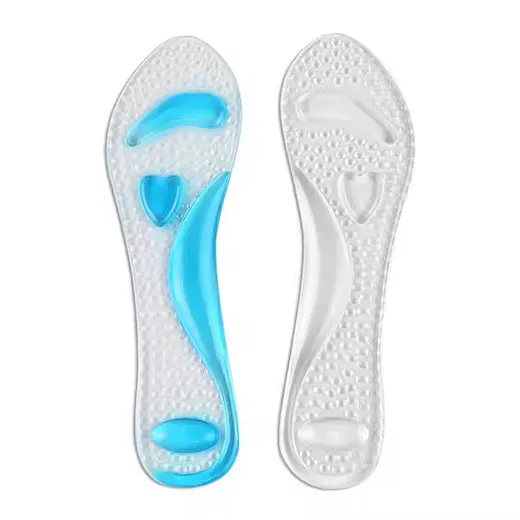
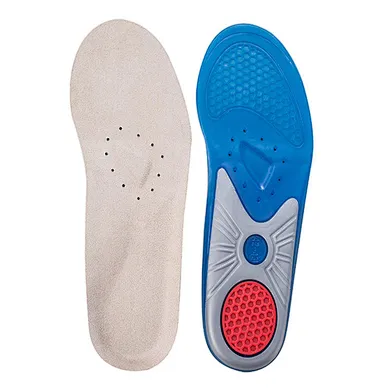
If your primary concern is reducing impact from hard surfaces, gel insoles are an excellent choice. Typically made from silicone or urethane gel, they excel at dissipating shock with each step. Many designs feature strategic gel pads or capsules placed precisely under the heel and forefoot—the areas that endure the most force. This makes them ideal for runners, athletes, or anyone who experiences joint discomfort from high-impact activities. They tend to be more durable than memory foam and offer a stable, yet noticeably cushioned, feel that helps protect your feet, knees, and back.
For those dealing with chronic foot pain, plantar fasciitis, flat feet, or specific biomechanical issues, rigid orthotic insoles (often called orthotics) are the professional solution. Unlike soft cushioning insoles, these are firm and structured, usually crafted from materials like plastic, carbon fiber, or dense foam. Their purpose is not to cushion but to correct and control foot motion. They provide arch support, stabilize the heel, and properly align the foot and ankle to improve overall posture and gait. These are often custom-made or semi-custom based on a podiatrist’s prescription to address individual needs, making them a long-term investment in foot health.


Expert Viewpoint
Dr. Anya Sharma, a board-certified podiatrist and biomechanics researcher, weighs in: "The choice isn't about which material is universally 'best,' but which is most appropriate for the patient's pathology. A common mistake is using a soft, accommodative material like memory foam or gel for a problem that requires control. For instance, an overpronator with plantar fasciitis might find temporary relief with a gel heel pad, but their condition will likely persist or worsen without the motion control provided by a semi-rigid or rigid orthotic. Conversely, a patient with a normal foot structure who simply wants more comfort in their work shoes would be overwhelmed and uncomfortable in a rigid device." Dr. Sharma emphasizes that a professional gait analysis is the gold standard for determining the correct intervention.
Frequently Asked Questions
Can I combine different materials in one insole?
Absolutely. Many high-quality prefabricated insoles use hybrid designs. For example, a semi-rigid orthotic might have a rigid arch shell for control, a memory foam top cover for comfort, and a gel pad in the heel for shock absorption. This combines the benefits of multiple materials.
How often should I replace my insoles?
Replacement varies by material and use:
- Memory Foam & Gel: Every 6-12 months, or when you notice permanent compression, loss of cushioning, or visible wear.
- Rigid Orthotics: These can last for years, but the top cover may need replacement. The device itself should be reassessed by a professional every 1-2 years, as foot structure can change.
Are custom orthotics always better than prefabricated ones?
Not always. For complex, asymmetrical, or severe conditions, custom-molded orthotics are superior. However, for many common issues, high-quality prefabricated orthotics—which are based on averaged foot shapes and pathologies—can be 80-90% as effective at a fraction of the cost and time.
Will these insoles fit in all my shoes?
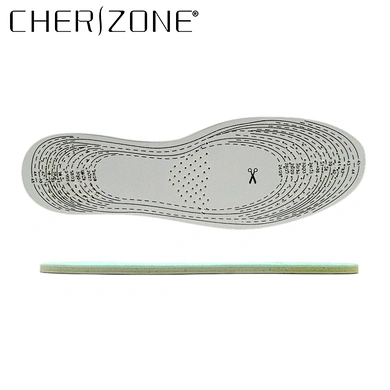
This is a crucial consideration. Memory foam and gel insoles are often trimmable and fit in most shoes. Rigid or full-length orthotics require a deep and supportive shoe with a removable factory insole, adequate volume, and a firm heel counter. They typically do not fit in flexible, flat, or fashion shoes.
Conclusion: The Verdict
In the battle of insole materials, there is no single winner—only the best tool for the job.
- Choose Memory Foam for everyday, all-around comfort and pressure relief in casual settings. It wins the "Best for General Comfort" category.
- Choose Gel when your primary concern is cushioning against sharp, jarring impacts from activities like running or working on hard floors. It wins the "Best for Shock Absorption" category.
- Choose Rigid Orthotics (or their semi-rigid cousins) when you have a diagnosed biomechanical issue causing chronic pain or misalignment. They win the "Best for Medical Correction and Support" category.
For many, a hybrid approach or a progression from soft to firm support as needs change is the most practical path. Always consult with a foot care professional for persistent pain to ensure you're not just masking a symptom but treating the root cause. Your feet are your foundation; invest in the right support.


Insole Technology Unveiled: Gel, Memory Foam, or PORON®? Which Material is Right for You?
Stay fresh and dry with premium moisture wicking insoles! Designed with breathable, antimicrobial materials to keep feet cool, prevent odor, and enhance comfort during sports or daily wear. Ideal for runners, workers, and active lifestyles.