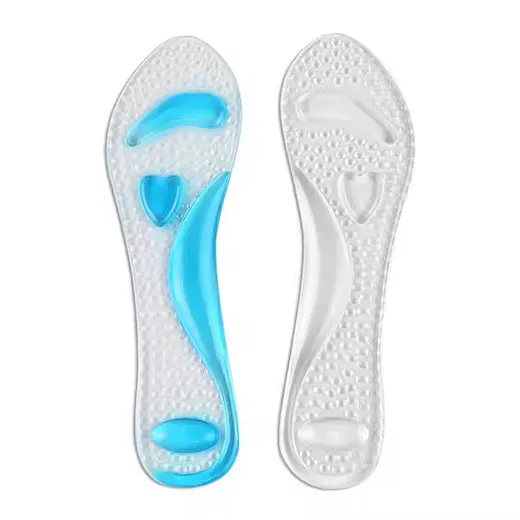
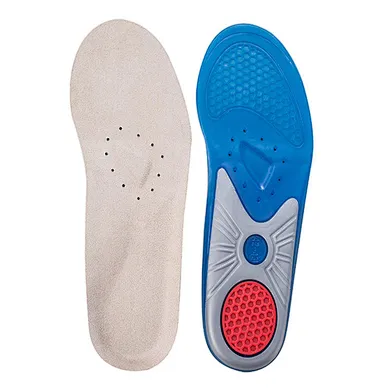
Sustainable Materials in Insole Manufacturing: A Guide for Eco-Conscious Brands
Discover the ultimate fit with the best custom insoles.Precisely molded to your foot's unique contours for unmatched arch support,pressure relief, and alignment correction. Ideal for treating plantar fasciitis,flat feet, or enhancing athletic performance.
Sustainable Materials in Insole Manufacturing: A Guide for Eco-Conscious Brands
Table of Contents
- Introduction: The Shift Towards Sustainable Footwear
- Why Sustainable Insoles Matter
- Sustainable Materials for Insole Production
- Benefits of Eco-Friendly Insole Manufacturing
- Challenges and Solutions in Sustainable Manufacturing
- Expert Insights: The Future of Sustainable Footwear
- Frequently Asked Questions
- Conclusion: Stepping Towards a Greener Future
Introduction: The Shift Towards Sustainable Footwear
The footwear industry is undergoing a significant transformation as consumer awareness about environmental issues grows. Traditional insole manufacturing has relied heavily on synthetic materials like petroleum-based foams, plastics, and chemical adhesives that contribute to environmental degradation and landfill waste. Today, eco-conscious brands are seeking alternatives that align with their sustainability values while maintaining product quality and comfort.
Insoles, though small components of footwear, present a substantial opportunity for environmental impact reduction. With billions of pairs of shoes produced annually worldwide, transitioning to sustainable insole materials can significantly reduce the carbon footprint of the footwear industry. This guide explores the innovative materials and manufacturing processes that are revolutionizing insole production for environmentally responsible brands.
Why Sustainable Insoles Matter
Insoles serve multiple critical functions in footwear: providing cushioning, arch support, moisture management, and overall comfort. Traditional insoles are typically made from polyurethane (PU) foam, ethylene-vinyl acetate (EVA), or other petroleum-derived materials that are not biodegradable and often end up in landfills at the end of their lifecycle.
Environmental Impact of Traditional Insole Materials
The production of conventional insole materials involves energy-intensive processes that release greenhouse gases and rely on non-renewable resources. These materials can take hundreds of years to decompose, contributing to the growing problem of textile and footwear waste. Additionally, the manufacturing processes often involve harmful chemicals that can pollute waterways and ecosystems.
Consumer Demand for Sustainable Products
Modern consumers are increasingly making purchasing decisions based on environmental considerations. A 2023 survey by the Sustainable Fashion Forum found that 68% of consumers are willing to pay more for products made with sustainable materials. Brands that adopt eco-friendly insole materials not only reduce their environmental impact but also gain a competitive advantage in the marketplace.
Sustainable Materials for Insole Production
Innovative materials are transforming insole manufacturing, offering both environmental benefits and enhanced performance characteristics. These materials fall into several categories, each with unique properties and applications.
Natural Plant-Based Materials
Cork is harvested from the bark of cork oak trees without harming the tree, making it a renewable resource with excellent cushioning and antimicrobial properties.
Bamboo charcoal infused materials provide natural odor resistance and moisture-wicking capabilities while being biodegradable.
Natural rubber from sustainably managed rubber trees offers superior elasticity and durability compared to synthetic alternatives.
Recycled and Upcycled Materials
Recycled foam made from post-consumer or post-industrial waste reduces landfill burden while maintaining cushioning performance.
Ocean plastics transformed into insole materials help address marine pollution while creating durable products.
Recycled textiles such as cotton or wool fibers can be processed into comfortable, breathable insole layers.
Innovative Bio-Based Materials
Algae-based foam utilizes rapidly renewable aquatic plants that absorb CO2 during growth, creating carbon-negative materials.
Mycelium leather grown from mushroom roots offers a cruelty-free, biodegradable alternative with unique textural properties.
Plant-based polyurethane derived from castor oil or other plant sources provides performance similar to traditional PU without petroleum dependence.
Comparative Performance Analysis
When evaluating sustainable insole materials, brands must consider several performance factors: cushioning efficiency, durability, moisture management, weight, and breathability. Many sustainable materials now match or exceed the performance of traditional options. For example, cork provides natural temperature regulation and antimicrobial properties that synthetic materials cannot replicate, while algae-based foams offer comparable cushioning to petroleum-based foams with a significantly lower environmental footprint.
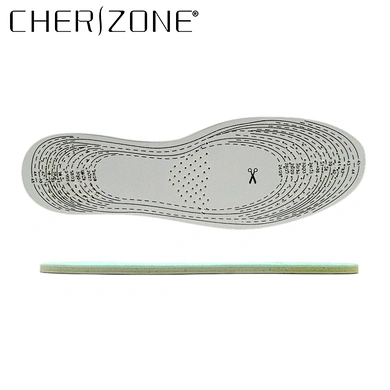
Our eco-conscious shoe inserts are crafted from a unique blend of recycled EVA foam and premium memory foam, designed for both your comfort and the planet's well-being. This innovative material combination ensures a perfect balance of lightweight support and cloud-like softness, molding to the contours of your feet for personalized, all-day comfort.
Available in a versatile universal size (fitting shoe sizes approximately 24-45), each insert can be easily trimmed with household scissors for a precise, custom fit. Experience the exceptional blend of sustainability and comfort—where every step is lighter, softer, and uniquely yours.

Benefits of Eco-Friendly Insole Manufacturing
Environmental Benefits
Transitioning to sustainable insole materials reduces reliance on non-renewable resources, decreases greenhouse gas emissions, and minimizes waste sent to landfills. Many sustainable materials are biodegradable or compostable at the end of their lifecycle, supporting circular economy principles. Additionally, sustainable manufacturing processes typically use less water and energy compared to conventional methods.
Business Advantages
Brands that adopt sustainable practices often experience enhanced brand reputation, increased customer loyalty, and access to new market segments. Sustainable materials can also provide unique marketing opportunities and storytelling potential that resonates with environmentally conscious consumers. Furthermore, as regulations around sustainable manufacturing tighten globally, early adopters will be better positioned for compliance.
Product Enhancement
Many sustainable materials offer inherent benefits that enhance product performance. Natural materials like cork and wool provide better breathability and temperature regulation than synthetic alternatives. Plant-based materials often contain fewer chemicals that can cause skin irritation, making them suitable for sensitive skin. Additionally, the unique textures and appearances of sustainable materials can differentiate products in a crowded marketplace.
Challenges and Solutions in Sustainable Manufacturing
Cost Considerations
One of the primary challenges in sustainable insole manufacturing is the initial cost premium compared to conventional materials. However, as production scales and technology advances, these costs are decreasing. Brands can mitigate cost impacts by strategically incorporating sustainable materials in key product lines or through phased implementation strategies.
Supply Chain Complexity
Sourcing sustainable materials often requires establishing new supplier relationships and verifying sustainability claims through certifications. Implementing robust supply chain transparency and partnering with certified suppliers can address these challenges. Third-party certifications such as Global Organic Textile Standard (GOTS), Forest Stewardship Council (FSC), and Cradle to Cradle provide assurance of sustainable practices.
Performance Standards
Ensuring that sustainable materials meet performance expectations for durability, comfort, and functionality requires thorough testing and potential material blending. Many brands successfully combine sustainable materials with traditional ones in hybrid approaches that balance environmental benefits with performance requirements.
Expert Insights: The Future of Sustainable Footwear
"The transition to sustainable insole materials represents more than an environmental imperative—it's a business opportunity. Brands that innovate in this space are developing stronger relationships with conscious consumers while future-proofing their operations against resource scarcity and regulatory changes. The most successful approaches combine material innovation with holistic design thinking that considers the entire product lifecycle."
"We're seeing remarkable advances in bio-fabricated materials that could revolutionize insole manufacturing within the next five years. From lab-grown collagen matrices to bacterial cellulose formations, these materials offer customizable properties while being completely biodegradable. The key challenge is scaling production while maintaining material integrity and performance characteristics."
Emerging Trends
The future of sustainable insole manufacturing includes several exciting developments: 3D-printed insoles using biodegradable polymers that can be customized to individual foot shapes, self-regenerating materials that extend product lifespan, and fully compostable insoles that can be returned to soil at the end of use. Additionally, digital product passports that track material origins and environmental impact are becoming increasingly important for transparency.
Frequently Asked Questions
Yes, many sustainable insole materials now match or exceed the durability of traditional options. Materials like cork, natural rubber, and high-performance recycled foams have demonstrated excellent longevity in testing. The key is selecting the right sustainable material for the specific application and use case.
Look for third-party certifications such as FSC for wood-based materials, GOTS for organic textiles, and Cradle to Cradle for overall product sustainability. Request detailed information about material composition, sourcing practices, and environmental impact assessments. Transparent suppliers should readily provide this information.
While exact figures vary by material and manufacturing process, sustainable insoles typically have a 30-70% lower carbon footprint than petroleum-based alternatives. Algae-based materials can even be carbon-negative, meaning they sequester more CO2 during production than they emit.
Many sustainable insole materials are designed for circularity. Some can be mechanically recycled into new products, while others are compostable in industrial facilities. The recyclability depends on the specific materials used and whether they can be separated from other shoe components.
Modern sustainable materials have largely eliminated performance trade-offs. In some cases, they offer enhanced properties like better breathability or natural odor resistance. However, product designers may need to adjust designs slightly to accommodate the specific characteristics of sustainable materials.
Small brands can start with limited editions or specific product lines featuring sustainable materials. Partnering with material suppliers who offer smaller minimum order quantities or joining buying collectives with other sustainable brands can also make the transition more affordable. Additionally, focusing on materials with strong consumer appeal can justify modest price increases.
Conclusion: Stepping Towards a Greener Future
The transition to sustainable materials in insole manufacturing represents a critical step forward for the footwear industry. As technology advances and consumer demand grows, eco-friendly insoles are becoming increasingly accessible, affordable, and high-performing. Brands that embrace these materials today position themselves as leaders in the sustainable fashion movement while contributing to meaningful environmental change.
Success in sustainable insole manufacturing requires a holistic approach that considers material selection, supply chain transparency, product design, and end-of-life solutions. By partnering with innovative material suppliers, investing in research and development, and communicating transparently with consumers, brands can create insoles that deliver both comfort and conscience.
The path to fully sustainable footwear is a journey, and each step matters. By starting with insoles—small components with significant impact—brands can make immediate progress while building the foundation for broader sustainability initiatives throughout their product lines.


Stay fresh and dry with premium moisture wicking insoles! Designed with breathable, antimicrobial materials to keep feet cool, prevent odor, and enhance comfort during sports or daily wear. Ideal for runners, workers, and active lifestyles.
TPU vs PP vs Nylon: Which Insole Support Material is Best for Your Feet?