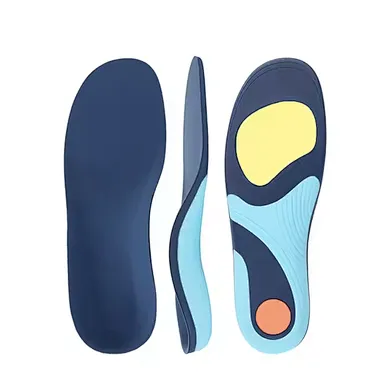
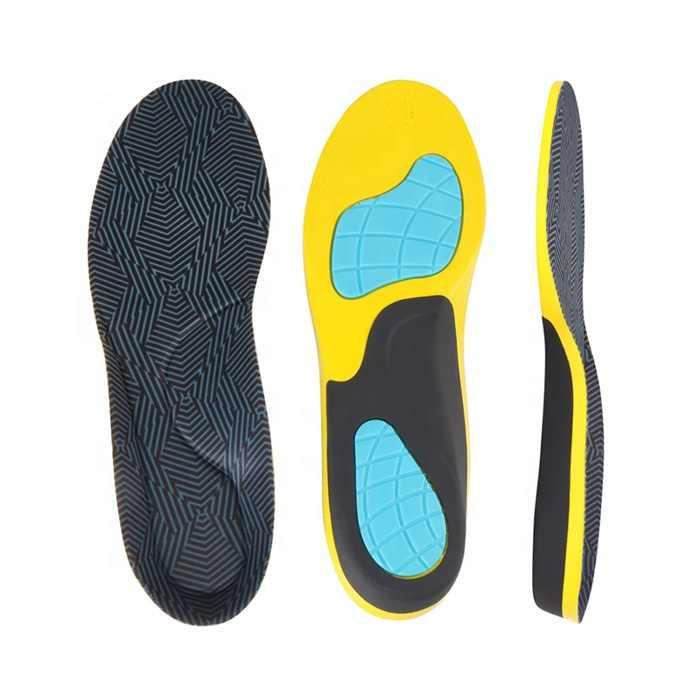
The Hidden Dangers: 7 Negative Effects of Wearing the Wrong Shoe Insoles

Prioritize your foot health with premium men's foot care insoles! Our inserts reduce pain, provide arch support & absorb shock for work boots, athletic shoes & daily wear. Combat fatigue—discover comfortable solutions made for active men today!
The Hidden Dangers: 7 Negative Effects of Wearing the Wrong Shoe Insoles
How Incorrectly Chosen Insoles Can Damage Your Feet and What to Do About It
Table of Contents
- Introduction: The Importance of Proper Insole Selection
- Increased Foot and Ankle Pain
- Worsening of Existing Foot Conditions
- Development of Poor Posture
- Accelerated Joint Wear and Tear
- Reduced Athletic Performance
- Circulation Problems
- Financial Waste on Ineffective Solutions
- Expert Advice on Choosing Correct Insoles
- FAQs About Shoe Insoles and Foot Health
- Conclusion: Making the Right Choice
Introduction: The Importance of Proper Insole Selection
Shoe insoles, also known as footbeds or inserts, are designed to provide support, cushioning, and alignment for your feet. When chosen correctly, they can alleviate pain, improve posture, and enhance athletic performance. However, wearing the wrong insoles can lead to serious negative effects that many people are unaware of.
This article explores the seven hidden dangers of incorrect insole use and provides guidance on how to select the right products for your specific needs. Understanding these risks is crucial for maintaining foot health and overall well-being.
1. Increased Foot and Ankle Pain
The Problem
Insoles that don't match your foot shape or arch type can create pressure points and unnatural foot positioning, leading to increased discomfort rather than relief.
Common Symptoms:
- Sharp pain in the arches or heels
- Increased ankle instability during movement
- Tingling or numbness in the toes
- Generalized foot fatigue even after short periods of standing or walking
Why This Happens:
An insole that's too rigid for a flexible foot or too soft for a foot needing support forces muscles and ligaments to work harder to maintain stability, causing strain and pain.
2. Worsening of Existing Foot Conditions
The Problem
Incorrect insoles can exacerbate pre-existing foot conditions like plantar fasciitis, bunions, or flat feet instead of providing the intended relief.
Specific Risks:
- Plantar fasciitis aggravation from inadequate arch support
- Bunion progression from insoles that crowd the forefoot
- Hammertoe development from toe box compression
- Neuroma formation from pressure on the ball of the foot
The Mechanism:
When insoles don't address the specific biomechanical needs of a condition, they can actually increase stress on already compromised structures, accelerating deterioration.
3. Development of Poor Posture
The Problem
Your feet are the foundation of your entire skeletal system. Improperly fitted insoles can create a chain reaction of misalignment extending upward through the body.
Postural Consequences:
- Pelvic tilting leading to lower back pain
- Shoulder asymmetry and neck strain
- Altered gait patterns that become habitual
- Increased risk of falls due to balance issues
The Science Behind It:
The body compensates for foot instability by adjusting joints upward, creating inefficient movement patterns that can become permanent without intervention.
4. Accelerated Joint Wear and Tear
The Problem
Insoles that fail to absorb shock effectively transfer excessive force to your knees, hips, and spine, potentially accelerating osteoarthritis and other degenerative conditions.
Affected Joints:
- Knee joints experiencing increased lateral pressure
- Hip joints dealing with rotational stress
- Spinal discs subjected to compression forces
- Ankle joints with reduced shock absorption
Long-term Impact:
Repeated impact without proper cushioning can lead to early-onset joint degeneration, potentially requiring medical intervention years before it would otherwise be necessary.
5. Reduced Athletic Performance
The Problem
Athletes using inappropriate insoles may experience decreased efficiency, slower recovery, and increased injury risk during training and competition.
Performance Impacts:
- Reduced power transfer from legs to ground
- Increased energy expenditure for the same output
- Longer muscle recovery times between workouts
- Higher incidence of stress fractures and soft tissue injuries
The Athletic Connection:
Proper biomechanics are essential for peak performance. Wrong insoles disrupt the kinetic chain, forcing muscles to work against inefficient positioning.
6. Circulation Problems
The Problem
Ill-fitting insoles can compress blood vessels and restrict normal blood flow in the feet, leading to various circulatory issues.
Circulatory Symptoms:
- Cold feet due to reduced blood flow
- Swelling in the ankles and feet
- Tingling sensations or "pins and needles"
- Increased risk of blood clots in vulnerable individuals
Vascular Concerns:
Chronic compression from tight or incorrectly shaped insoles can damage delicate blood vessels, particularly concerning for individuals with diabetes or existing vascular conditions.
7. Financial Waste on Ineffective Solutions
The Problem
Purchasing the wrong insoles represents not just a health risk but also a significant financial waste, as these products fail to deliver promised benefits and may lead to additional medical expenses.
Cost Implications:
- Repeated purchases trying different "solutions"
- Medical bills for treating resulting conditions
- Lost productivity from pain-related absenteeism
- Premature shoe replacement due to accelerated wear
The True Cost:
The cumulative expense of wrong insoles often exceeds the investment in properly fitted, quality products by a significant margin when medical costs are factored in.
Choosing the wrong shoe inserts isn't just a waste of money—it can also worsen existing foot conditions and lead to broader physical discomfort, such as increased stress on joints and the spine. Therefore, it’s important to avoid following trends blindly. Instead, make informed decisions based on your individual needs, and seek advice from professionals when necessary.


Expert Advice on Choosing Correct Insoles
"The most common mistake I see is people selecting insoles based solely on cushioning or price, without considering their specific foot type and biomechanical needs. An insole that works perfectly for a high-arched runner could be disastrous for someone with flat feet. Always consider three factors: your arch type, your activity level, and any existing foot conditions. When in doubt, consult a podiatrist or pedorthist for professional assessment."
Dr. Robert Chen, DPM
Board-Certified Podiatrist and Biomechanics Specialist
How to Choose the Right Insoles: A Quick Guide
- Determine your arch type through a wet foot test or professional assessment
- Consider your primary activities (standing, running, walking, etc.)
- Identify any existing foot conditions that need addressing
- Match insole material to your needs (gel for cushioning, rigid for support)
- Ensure proper fit - insoles should not crowd your shoes or alter fit dramatically
- Gradually break in new insoles over several days
- Replace regularly - most insoles lose effectiveness after 6-12 months of daily use
FAQs About Shoe Insoles and Foot Health
How do I know if my insoles are wrong for me?
Signs of wrong insoles include increased pain after use, blisters in new areas, foot fatigue that worsens, or new aches in knees, hips, or back. If symptoms don't improve within 2-3 weeks of consistent use, the insoles may be inappropriate.
Can I fix wrong insoles by trimming them?
Sometimes, but only if the issue is size-related. Trimming can help if insoles are too long or wide, but it won't correct arch support issues or material density problems. Always follow manufacturer guidelines for trimming.
Are custom orthotics always better than over-the-counter insoles?
Not necessarily. While custom orthotics address specific medical conditions, many people find appropriate relief with high-quality over-the-counter options. The key is proper selection based on your foot type and needs.
How often should I replace my shoe insoles?
Most insoles need replacement every 6-12 months with daily use. Athletic insoles may require more frequent replacement (every 3-6 months) due to higher impact and sweat exposure.
Can wrong insoles cause permanent damage?
While temporary discomfort is more common, chronically wrong insoles can contribute to permanent postural changes, joint degeneration, and foot deformities over years of use.
Conclusion: Making the Right Choice
The potential negative effects of wearing the wrong shoe insoles extend far beyond simple discomfort. From accelerated joint degeneration to impaired athletic performance and wasted financial resources, the risks are significant and often underestimated.
Proper insole selection requires understanding your unique foot structure, activity patterns, and any existing conditions. When chosen correctly, quality insoles can provide substantial benefits, including pain relief, improved posture, enhanced performance, and long-term foot health.
Invest time in selecting the right insoles for your needs, and don't hesitate to seek professional guidance when necessary. Your feet are the foundation of your mobility and overall health—treat them with the care and consideration they deserve.


Is Your Shoe's Built-In Cushion Enough? A Comprehensive Guide to Deciding If You Need New Insoles
What to Consider When Buying Shoe Insoles?Key Factors Explained to Help You Make the Perfect Choice for Your Feet