What Are Shoe Insoles Made Of?The Most Common Materials and How They Impact Comfort, Support & Durability

Specialized insoles engineered for specific needs: running performance, plantar fasciitis relief, or arch support.Our custom-fit designs target pain points like overpronation and metatarsal pressure, offering biomechanical correction and enhanced comfort.
What Are Shoe Insoles Made Of?The Most Common Materials and How They Impact Comfort, Support & Durability
Table of Contents
Introduction: The Purpose of Shoe Insoles
Shoe insoles serve multiple critical functions beyond simple comfort. They provide arch support, shock absorption, pressure redistribution, and help prevent foot conditions like plantar fasciitis. The materials used directly impact these functions, determining how an insole feels, performs, and lasts over time.
Key Insole Functions
- Support: Maintaining proper foot alignment and preventing overpronation
- Cushioning: Absorbing impact forces during walking or running
- Moisture Management: Wicking away sweat to keep feet dry
- Temperature Regulation: Maintaining comfortable foot temperature
- Odor Control: Preventing bacterial growth and unpleasant smells
8 Most Common Insole Materials
1. EVA Foam (Ethylene-Vinyl Acetate)
EVA foam is the most widely used material for insoles due to its excellent shock absorption and lightweight properties. It can be compressed for a custom fit and is often used in athletic and casual footwear.
Benefits:
- Lightweight - doesn't add bulk to shoes
- Excellent cushioning for impact protection
- Affordable and widely available
- Can be molded to foot shape when heated
2. Memory Foam (Viscoelastic Polyurethane)
Memory foam molds to the exact contours of your foot, providing personalized support and pressure relief. It's particularly popular for all-day comfort in work shoes and casual footwear.
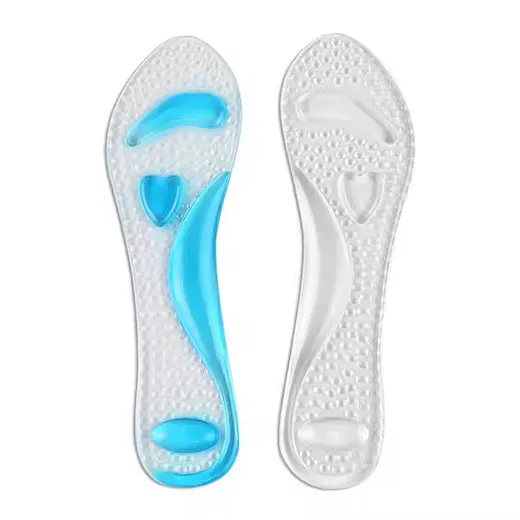
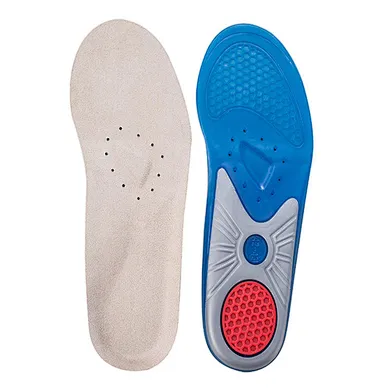
3. Gel Inserts (Silicone or Polyurethane Gel)
Gel insoles offer superior shock absorption and are excellent for high-impact activities or people with joint issues. They're often used as heel pads or forefoot cushions in high heels and athletic shoes.
4. Cork
Natural cork provides firm support and molds to your feet over time. It's breathable, antimicrobial, and offers excellent arch support for people with flat feet or plantar fasciitis.
5. Leather
Leather insoles offer durability, breathability, and moisture-wicking properties. They're common in dress shoes and boots, providing a combination of support and moisture control.
6. Polyurethane Foam
More durable than EVA, polyurethane foam offers firm support and retains its shape longer. It's often used in orthotic insoles and work boot inserts.
7. Carbon Fiber
Carbon fiber provides rigid support for motion control and is extremely lightweight. It's ideal for sports insoles where energy transfer and stability are priorities.
8. Antimicrobial Fabrics
Top layers often include antimicrobial fabrics like bamboo charcoal, copper-infused materials, or silver-treated textiles to prevent odor and bacterial growth.
Material Comparison Table
| Material | Best For | Cushioning | Support | Durability | Price Range |
|---|---|---|---|---|---|
| EVA Foam | Athletic shoes, daily wear | Excellent | Moderate | 6-12 months | $ |
| Memory Foam | Comfort, work shoes | Superior | Good | 6-9 months | $$ |
| Gel | High impact, heel pain | Excellent | Low | 12+ months | $$ |
| Cork | Arch support, orthotics | Moderate | Excellent | 24+ months | $$$ |
| Leather | Dress shoes, boots | Fair | Good | 18+ months | $$-$$$ |
| Carbon Fiber | Sports, performance | Low | Superior | 24+ months | $$$ |


Expert View: Material Science in Footwear
"The evolution of insole materials has revolutionized foot care. Today's advanced materials like dual-density EVA and thermo-moldable polymers allow us to create insoles that adapt dynamically to foot movement while providing targeted support. For athletes, materials like carbon fiber offer the perfect balance of lightweight rigidity and energy return."
Dr. Robert Chen
Podiatric Materials Scientist, Biomechanics Lab Director
Material Selection Guidelines
According to foot specialists, material selection should be based on:
- Foot Type: Flat feet need firm support materials like cork or carbon fiber
- Activity Level: High-impact activities require gel or memory foam for cushioning
- Foot Conditions: Plantar fasciitis benefits from firm arch support materials
- Climate: Hot climates need breathable, moisture-wicking materials
- Shoe Type: Dress shoes require thin, firm materials; athletic shoes need cushioning
FAQs About Insole Materials
Which material is best for plantar fasciitis?
Firm materials like cork, carbon fiber, or polyurethane provide the arch support needed for plantar fasciitis relief. Avoid soft, unsupportive materials that collapse under pressure.
Are gel insoles better than memory foam?
It depends on your needs. Gel offers superior shock absorption for high-impact activities, while memory foam provides better pressure distribution for all-day comfort. Many premium insoles combine both materials.
How long do different insole materials last?
Cork and carbon fiber can last 2+ years, EVA foam typically lasts 6-12 months, and memory foam may compress faster (3-9 months). Replace insoles when you notice decreased support or visible wear.
Can insole materials cause allergies?
Most synthetic materials are hypoallergenic, but some people may react to adhesives or dyes. Natural materials like cork and leather are generally safest for sensitive skin.
Are expensive materials worth the cost?
For specific needs like severe foot conditions or high-performance athletics, premium materials offer measurable benefits. For general comfort, mid-range materials often suffice.
Conclusion: Choosing the Right Material
The material composition of shoe insoles directly determines their comfort, support, and longevity. Whether you need the shock absorption of gel, the custom molding of memory foam, or the firm support of cork, understanding materials helps you make informed choices.
Remember: The best insole material matches your foot type, activity level, and specific needs. Consider consulting a foot specialist for personalized recommendations, especially if you have chronic foot conditions.


TPU vs PP vs Nylon: Which Insole Support Material is Best for Your Feet?
The Ultimate Guide to Shoe Insoles: Benefits by Material