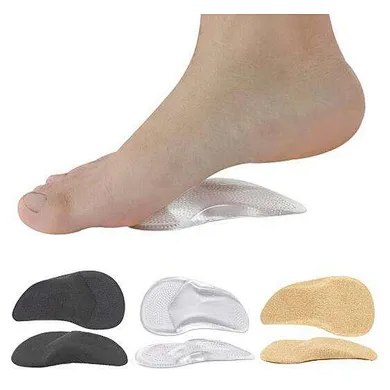
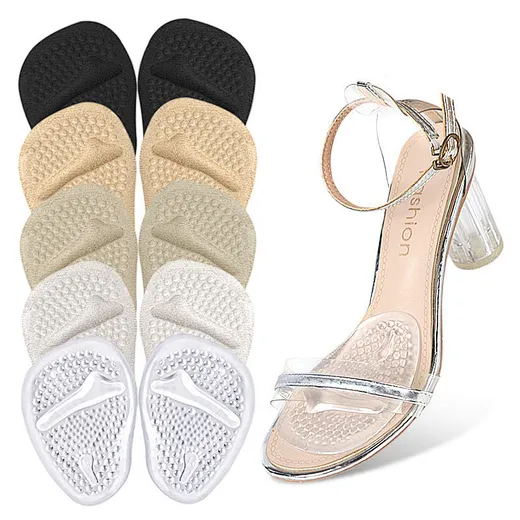
Shoe Insoles for High Heels: Walk Comfortably Without Sacrificing Style

Step comfortably in style with shoe insoles for high heels! Our ultra-thin cushions relieve ball-of-foot pressure, prevent blisters & reduce arch strain. Designed specifically for stilettos, pumps & dress shoes. Look fabulous without foot pain
Shoe Insoles for High Heels: Walk Comfortably Without Sacrificing Style
Table of Contents
- Why High Heels Need Special Insoles
- Key Benefits of High Heel Insoles
- Top Types of Insoles for High Heels
- How to Place Insoles in High Heels
- Expert Tips for Heel Comfort
- FAQs About High Heel Insoles
- Conclusion
Why High Heels Need Special Insoles
High heels shift up to 90% of your body weight onto the ball of the foot, causing:
- Metatarsalgia (ball-of-foot pain)
- Plantar pressure spikes up to 2x normal levels
- Blisters and calluses from friction
**Specialized insoles** redistribute pressure, absorb shock, and prevent long-term damage.
Key Benefits of High Heel Insoles
1. Ball-of-Foot Cushioning
Gel or silicone pads under the metatarsals absorb impact and reduce pressure hotspots.
2. Arch Support Enhancement
Contoured designs maintain natural foot alignment despite the heel incline.
3. Friction Reduction
Smooth, adhesive surfaces prevent slippage and blisters at the heel and toes.
4. Improved Stability
Full-length insoles with grippy backings minimize ankle wobbling.
Top Types of Insoles for High Heels
1. Ball-of-Foot Pads
Adhesive silicone cushions (e.g., Dr. Scholl's Stylish Step) target pressure points under toes.
2. 3/4-Length Insoles
Cushioned inserts like Pedag Diva support arches without crowding toe boxes.
3. Heel Grips
Foam or leather strips prevent slippage and blisters (e.g., Party Feet Heel Guards).
4. Full-Length Gel Insoles
For stilettos or block heels, brands like Ensole offer shock-absorbing coverage.
How to Place Insoles in High Heels
Step-by-Step Guide
- Clean the shoe interior with alcohol wipes
- Peel backing from adhesive insoles
- Position pads:
- Ball-of-foot pads: Behind toe seam
- Heel grips: Along back curve
- 3/4 insoles: Align arch with shoe's midpoint
- Press firmly for 30 seconds to secure
Expert Tips for Heel Comfort
Podiatrist Dr. Alicia Torres advises: "Never compromise arch support for thinness. For heels over 3 inches, use metatarsal pads and limit wear to 3-hour intervals." Additional tips:
- Choose chunky heels over stilettos for better weight distribution
- Apply moleskin patches to friction-prone areas before inserting pads
- Rotate between multiple heel heights to avoid repetitive strain
FAQs About High Heel Insoles
1. Will the insole make the heel tighter?
The thin gel pads will add little volume to the heel. If the shoe feels comfortable, remove the existing insole.
2. Can the insole be reused?
Adhesive insoles last 5-10 uses; non-adhesive insoles can last for months if properly cared for.
Opt for silicone-backed designs and clean shoes before application.
4. Are there insoles for open-toe heels?
Yes! 3/4-length and clear gel pads work discreetly.
Conclusion
High heel insoles can transform uncomfortable fashion styles into a confident all-day wearing experience. By precisely targeting pressure points, enhancing stability and reducing friction, you can enjoy fashion without sacrificing comfort. Remember: high-quality insoles are not only an investment in your foot health, but also an investment in your fashion journey. Combined with good shoe-wearing habits, you can truly say goodbye to pain and have an elegant temperament.


Shoe Insoles for Bunions: Your Path to Pain-Free Movement
Heel Patches for Shoes: Your Secret Weapon Against Blisters and Wear