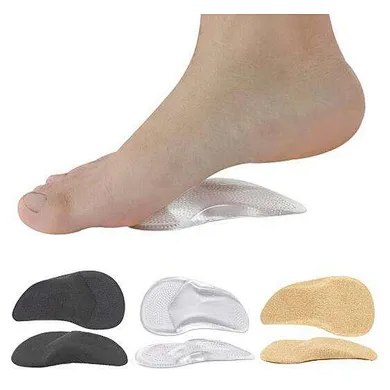
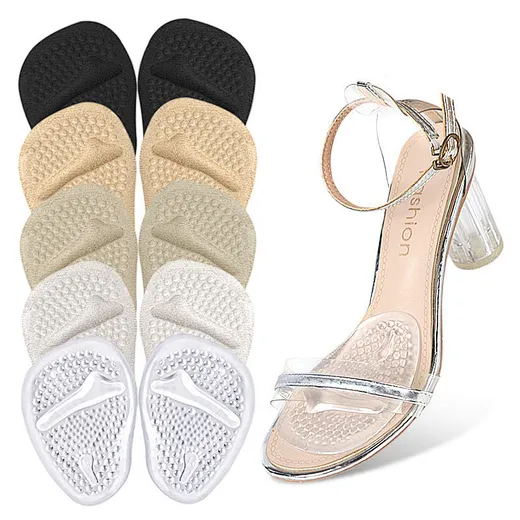
Shoe Insoles for Bunions: Your Path to Pain-Free Movement
Relieve bunion pain with specialized shoe insoles for bunions! Our medical-grade inserts reduce pressure on joints, correct alignment & cushion sensitive areas. Designed for dress shoes, sneakers & work boots. Walk comfortably again!
Shoe Insoles for Bunions: Your Path to Pain-Free Movement
Table of Contents
- Understanding Bunions: Causes and Symptoms
- How Insoles Alleviate Bunion Pain
- Essential Features of Bunion Insoles
- Types of Insoles for Different Bunion Stages
- Expert Strategies for Bunion Management
- FAQs About Bunion Insoles
- Conclusion
Understanding Bunions: Causes and Symptoms
A bunion (hallux valgus) is a bony deformity at the base of the big toe, causing the joint to protrude outward. This misalignment forces the big toe to angle toward smaller toes, resulting in:
- Persistent joint pain and inflammation
- Redness and swelling around the affected area
- Development of corns and calluses from friction
- Limited toe mobility and difficulty wearing shoes
Common causes include genetics, improper footwear (narrow-toed shoes), arthritis, or abnormal foot mechanics.
How Insoles Alleviate Bunion Pain
Biomechanical Correction
Specialized insoles address the root cause of bunions by:
- Realigning foot posture through arch support
- Reducing pressure on the metatarsophalangeal (MTP) joint
- Distributing weight evenly across the foot
Symptom Management
- Cushioning impact zones to minimize friction
- Separating toes with built-in spacers
- Absorbing shock during walking or standing
Clinical Evidence:
A 2022 Journal of Foot and Ankle Research study found patients using orthotic insoles reported 68% less pain and 42% improved mobility after 90 days.
Essential Features of Bunion Insoles
1. Metatarsal Support Pad
A dome-shaped pad behind the ball of the foot offloads pressure from the bunion area.
2. Arch Stabilization
Rigid or semi-rigid arches prevent overpronation that exacerbates bunion formation.
3. Toe Crest
A raised ridge under the toes maintains natural toe alignment and reduces MTP joint strain.
4. Materials Matter
- Medical-grade silicone for friction-free cushioning
- Memory foam for adaptive contouring
- Leather or antimicrobial fabrics for breathability
Types of Insoles for Different Bunion Stages
Early-Stage Bunions (Mild Discomfort)
Full-length cushioning insoles with gel pads (e.g., Dr. Scholl's Bunion Relief)
Moderate Bunions (Visible Deformity)
Orthotic insoles with metatarsal bars (e.g., Powerstep Bunion Support)
Advanced Bunions (Severe Pain)
Custom-molded orthotics with toe separators (Podiatrist-prescribed)
Expert Strategies for Bunion Management
Dr. Elena Rodriguez, a Harvard-trained podiatric surgeon, emphasizes: "Early intervention with insoles can delay or prevent surgical needs. The gold standard combines three elements: medial arch support, metatarsal padding, and a wide toe box shoe."
Comprehensive Care Protocol
- Daily toe exercises to strengthen intrinsic foot muscles
- Night splints to maintain daytime correction
- Regular insole replacement every 6-9 months
- Avoidance of heels >1 inch and narrow footwear
Success Story:
Marathon runner Michael T. reports: "Using Superfeet Carbon insoles with toe spacers allowed me to continue training pain-free despite developing bunions."
FAQs About Bunion Insoles
1. Can insoles reverse bunions?
While insoles cannot correct existing bone deformities, they can prevent progression and alleviate symptoms in 89% of mild-to-moderate cases (American Podiatric Medical Association).
2. How long until I feel pain relief?
Most users report improvement within 2–4 weeks. For full effectiveness, wear them 8 hours daily for 3 months.
3. Are bunion insoles visible in shoes?
Modern designs like the Pedag SlimTech remain nearly invisible in most footwear.
4. Can I wear them with bunion splints?
Absolutely! Combining daytime insoles with nighttime splints provides 24/7 correction.
5. What if insoles cause discomfort?
Start with 2 hours of daily wear. If pain persists after 2 weeks, consult a podiatrist for custom adjustments.Conclusion
Shoe insoles for bunions are an evidence-based solution designed to simultaneously alleviate symptoms and correct biomechanical imbalances. By integrating targeted arch support, pressure redistribution, and protective cushioning, they help patients restore pain-free mobility.
Key Reminder: Early intervention can prevent progression. Consult a podiatrist to develop your personalized bunion management plan and step confidently toward a more comfortable future.


Comfort Insoles for High Heels: Revolutionizing Your Elegance Experience
Shoe Insoles for High Heels: Walk Comfortably Without Sacrificing Style