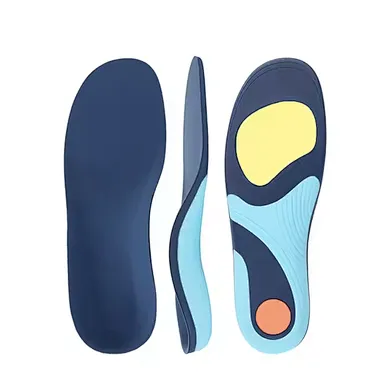
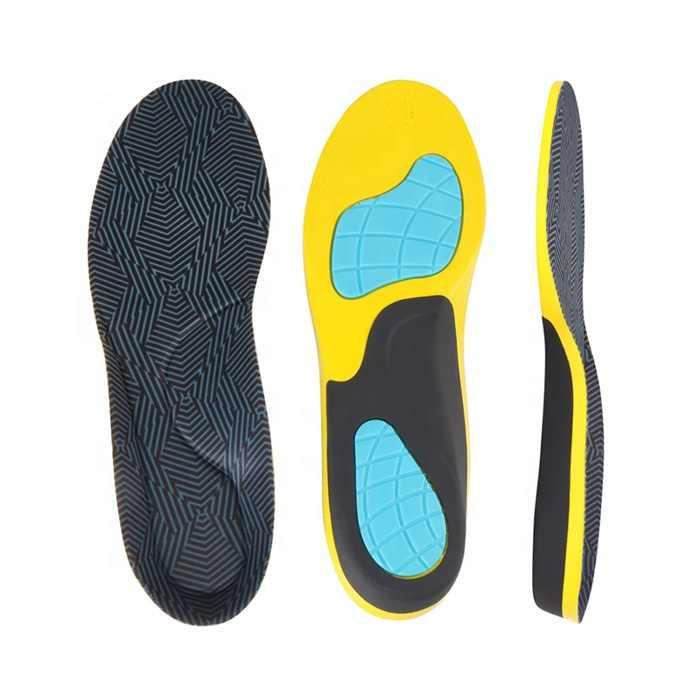
The Ultimate Guide to Shoe Insoles:Types, Uses and How to Choose the Perfect Pair for Your Feet
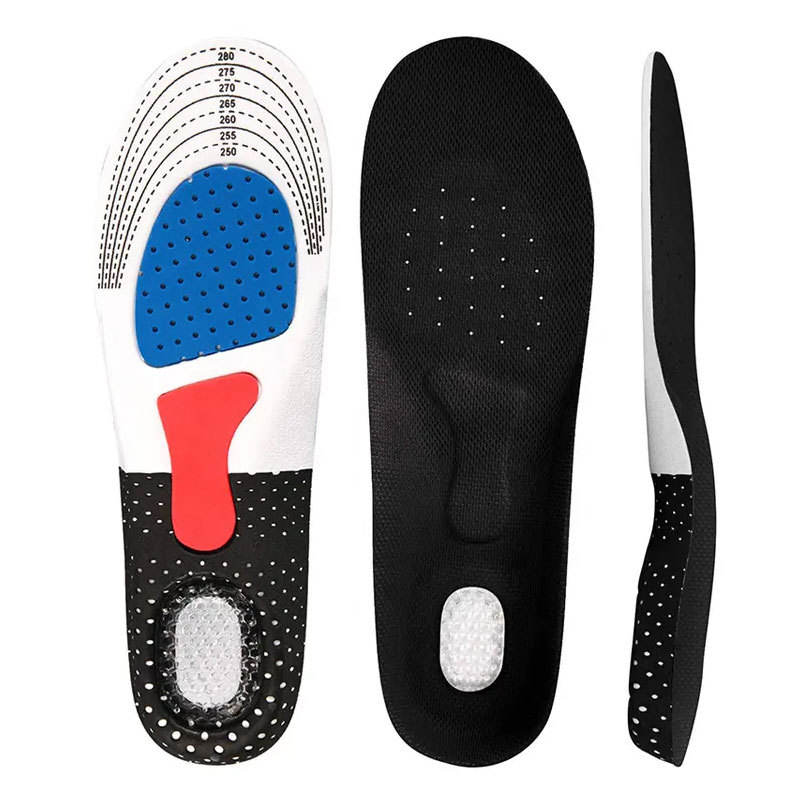
Discover comfortable and supportive shoe inserts for enhanced foot health. Our versatile insoles provide targeted arch support, cushioning, and alignment for walking, standing, and everyday wear, helping to relieve foot fatigue and common aches.
The Ultimate Guide to Shoe Insoles:Types, Uses and How to Choose the Perfect Pair for Your Feet
Table of Contents
What Are Shoe Insoles?
Shoe insoles, also known as footbeds or inserts, are removable layers placed inside footwear to enhance comfort, support, and foot health. They serve as an interface between your feet and your shoes, addressing various foot-related issues and improving overall walking or running experience.
Key Functions of Insoles:
- Shock Absorption: Cushioning impact during walking, running, or standing
- Arch Support: Maintaining proper foot alignment and reducing strain
- Pressure Redistribution: Spreading weight evenly across the foot
- Stability Enhancement: Improving balance and reducing risk of injury
- Moisture Management: Wicking away sweat and preventing odors
While many shoes come with basic insoles, these are often designed for cost-effectiveness rather than optimal support. Specialized insoles can transform ordinary footwear into customized solutions for your specific foot type and needs.
Types of Shoe Insoles
Understanding the different types of insoles available is crucial for making the right choice. Here are the main categories:
1. Cushioning Insoles
Made from soft materials like memory foam, gel, or EVA foam, these insoles prioritize comfort and shock absorption.
- Best for: General comfort, arthritis, heel pain
- Materials: Gel, memory foam, polyurethane
- Lifespan: 3-6 months with regular use
2. Orthotic Insoles
Designed to correct foot alignment issues, these provide rigid or semi-rigid support for biomechanical problems.
- Best for: Flat feet, overpronation, plantar fasciitis
- Materials: Thermoplastic, carbon fiber, rigid foam
- Lifespan: 6-12 months or longer
3. Heat-Moldable Insoles
These can be customized to your foot shape by applying heat, offering a semi-custom fit without the high cost of fully custom orthotics.
- Best for: Unique foot shapes, moderate correction needs
- Materials: Moldable foam, thermoplastic
- Lifespan: 6-12 months
4. Sport-Specific Insoles
Optimized for athletic activities with features tailored to specific sports' demands and movements.
- Best for: Running, hiking, basketball, skiing
- Materials: Lightweight foam, carbon fiber, moisture-wicking fabrics
- Lifespan: 3-9 months depending on activity level
5. Custom Orthotics
Professionally prescribed and manufactured based on a detailed analysis of your feet, gait, and specific needs.
- Best for: Severe biomechanical issues, chronic conditions
- Materials: Various, based on prescription
- Lifespan: 1-5 years depending on materials
6. Heel-Specific Insoles
Focused on heel comfort and support, often featuring deep heel cups and extra cushioning in the heel area.
- Best for: Heel spurs, plantar fasciitis, Achilles tendonitis
- Materials: Gel, foam with heel cups
- Lifespan: 4-8 months
At their core, both insoles provide exceptional arch support, engineered to align your foot's natural posture, reduce strain, and promote healthier movement from the ground up. This foundational support helps combat fatigue and discomfort, whether you're on your feet for hours or tackling a demanding workout.
But we didn't stop there. Recognizing the impact of every step, we've strategically integrated advanced cushioning materials in key high-impact zones. The heel and forefoot areas are enhanced with shock-absorbing technology that actively softens each strike against hard surfaces. This dual-zone cushioning system not only delivers immediate comfort but also helps protect your joints, making these insoles versatile enough to transition effortlessly from daily wear to your sports routine.
In short, these are not simple pads; they are performance-focused foundations that provide the support your feet need and the cushioning they deserve.


Primary Uses of Insoles
Pain Relief and Management
Insoles are commonly used to alleviate various types of foot pain:
- Plantar Fasciitis: Arch-supporting insoles reduce strain on the plantar fascia
- Heel Pain: Cushioned heel cups absorb shock and distribute pressure
- Ball of Foot Pain: Metatarsal pads lift and separate bones to relieve pressure
- Arthritis: Soft, cushioned insoles reduce impact on painful joints
Corrective Functions
Orthotic insoles address biomechanical issues:
- Overpronation: Medial posting supports the arch and prevents excessive inward rolling
- Supination: Lateral support helps distribute weight more evenly
- Flat Feet: Arch support creates artificial arch and improves alignment
- Leg Length Discrepancy: Heel lifts compensate for differences in leg length
Performance Enhancement
Athletes use specialized insoles to improve performance:
- Energy Return: Some materials provide rebound for running efficiency
- Stability: Better foot positioning improves balance and power transfer
- Injury Prevention: Proper alignment reduces stress on joints and tendons
Comfort and Fatigue Reduction
For people who stand or walk extensively:
- Shock Absorption: Reduces impact on hard surfaces
- Pressure Distribution: Prevents hot spots and discomfort
- Moisture Control: Keeps feet drier and more comfortable
How to Choose the Right Insoles
Determine if you need pain relief, correction, or general comfort enhancement.
Understand your arch type (high, neutral, or flat) and any gait abnormalities.
Choose insoles designed for your primary activities (running, work, casual wear).
Ensure insoles fit properly in your shoes without crowding the toe box.
Key Selection Factors
Material Considerations
- Gel: Excellent shock absorption but can be heavy
- Memory Foam: Conforms to foot shape but may compress quickly
- EVA Foam: Lightweight with good cushioning properties
- Cork: Natural material that molds gradually to foot shape
- Leather: Durable and moisture-wicking but less cushioning
Arch Support Level
Match the arch support to your foot type:
- Low Arch (Flat Feet): Firm arch support to prevent overpronation
- Medium Arch (Neutral): Moderate support for natural alignment
- High Arch: Cushioned support with pressure distribution
Size and Trimability
Most insoles are designed to be trimmed for a perfect fit. Always trace your existing insoles or follow manufacturer guidelines when trimming.
Expert Advice on Insole Selection
"The most common mistake people make when choosing insoles is focusing solely on cushioning. While comfort is important, proper biomechanical support should be the primary consideration. An insole that feels comfortable initially but doesn't provide adequate arch support can actually worsen certain conditions over time. I always recommend getting a professional gait analysis if you're experiencing persistent foot pain or planning to use insoles for athletic performance."
Additional Professional Recommendations
- Break-in Period: Allow 1-2 weeks for your feet to adjust to new insoles, wearing them for gradually increasing periods
- Replacement Schedule: Replace cushioning insoles every 3-6 months and orthotic insoles every 6-12 months, or when they show visible wear
- Shoe Considerations: Remove existing insoles before inserting new ones, and ensure adequate depth in your shoes
- Professional Consultation: See a podiatrist if you have diabetes, severe pain, or significant deformities
- Activity-Specific Solutions: Use different insoles for different activities (e.g., running vs. work shoes)
Frequently Asked Questions
How do I know if I need insoles?
Common signs include frequent foot fatigue, pain in arches/heels, blisters in specific areas, uneven shoe wear, or pain that extends to knees, hips, or back. If you experience discomfort after standing or walking for moderate periods, insoles may help.
Can I use the same insoles in all my shoes?
While you can transfer insoles between similarly shaped shoes, activity-specific insoles will provide better results. Running insoles prioritize different features than dress shoe insoles. Also, ensure the insole fits properly in each shoe without crowding.
Are custom orthotics worth the investment?
For individuals with significant biomechanical issues, chronic conditions, or unusual foot shapes, custom orthotics are often worth the investment. For general comfort or mild issues, high-quality over-the-counter options may suffice.
How long do insoles typically last?
This varies by type and use: Cushioning insoles last 3-6 months; orthotic insoles last 6-12 months; custom orthotics can last 1-5 years. Signs of wear include flattened cushioning, visible compression, or reduced pain relief.
Can insoles help with back pain?
Yes, properly fitted insoles can improve alignment from the feet up, potentially reducing strain on knees, hips, and back. This is particularly true if your back pain is related to leg length discrepancy or gait abnormalities.
Conclusion
The right pair of shoe insoles can transform your footwear from a source of discomfort to a foundation for healthy, pain-free movement. Whether you're seeking relief from specific foot conditions, looking to enhance athletic performance, or simply wanting to improve daily comfort, understanding the different types of insoles, their specific uses, and how to choose the right pair is essential.
Remember that proper fit, appropriate support level, and quality materials are key factors in selecting effective insoles. Don't hesitate to consult with a foot specialist if you have persistent issues or unique requirements. Your feet are the foundation of your mobility—investing in proper support is an investment in your overall well-being.


What to Consider When Buying Shoe Insoles?Key Factors Explained to Help You Make the Perfect Choice for Your Feet
Are Your Shoes Uncomfortable?Here's How to Choose the Right Pair of Insoles for Ultimate Comfort