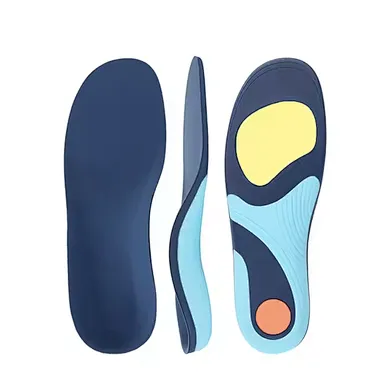
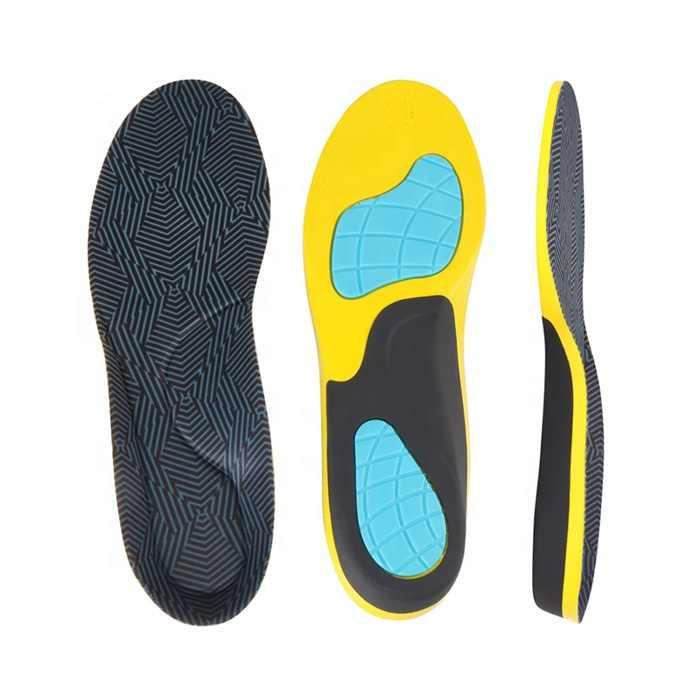
Are Your Shoes Uncomfortable?Here's How to Choose the Right Pair of Insoles for Ultimate Comfort
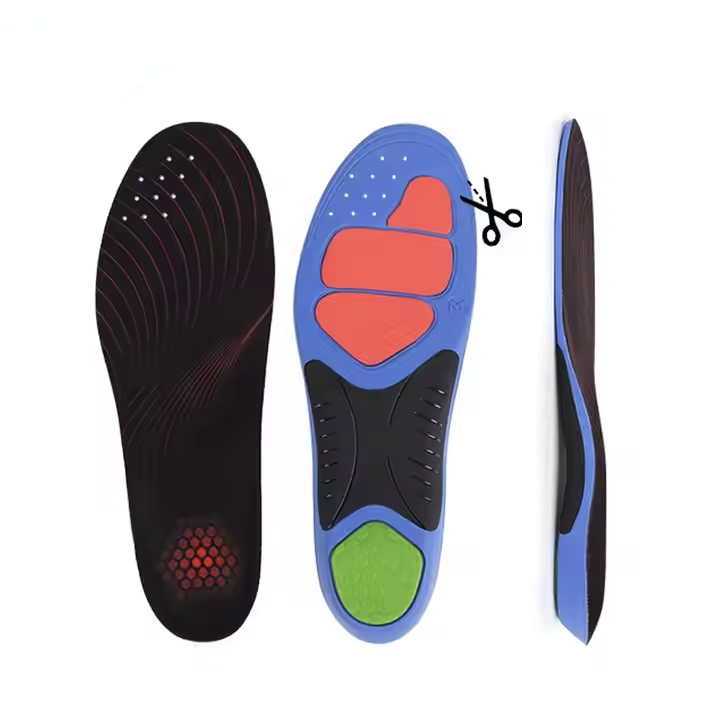
Discover how shoe cushion inserts can transform your comfort. These gel or foam pads provide targeted shock absorption, relieve pressure points, and reduce foot fatigue, making every step feel lighter. Ideal for long days on hard surfaces.
Are Your Shoes Uncomfortable?Here's How to Choose the Right Pair of Insoles for Ultimate Comfort
Table of Contents
Why Do You Need Insoles?
If your shoes are uncomfortable despite being the right size, insoles could be the solution you've been looking for. Insoles, also known as footbeds or orthotics, serve several important functions:
- Provide arch support to reduce strain on your feet and prevent conditions like plantar fasciitis
- Absorb shock from walking or running on hard surfaces
- Improve alignment of your feet, which can alleviate knee, hip, and back pain
- Redistribute pressure across your entire foot instead of concentrating it on specific areas
- Enhance stability and balance, especially for those with flat feet or high arches
Did You Know?
The average person takes between 5,000 and 7,000 steps per day. That's over 2.5 million steps per year! Proper foot support through quality insoles can make a significant difference in your comfort and long-term foot health.
Types of Insoles and Their Benefits
Cushioning Insoles
Made from memory foam, gel, or EVA foam, these provide maximum comfort by absorbing impact. Ideal for daily wear, standing for long periods, or athletic activities.
Support/Orthotic Insoles
Feature rigid or semi-rigid arch supports to correct foot alignment issues. Best for those with flat feet, high arches, or overpronation.
Heat-Moldable Insoles
Can be customized to your foot shape by applying heat. Offer a personalized fit without the cost of custom orthotics.
Sports-Specific Insoles
Designed for particular activities like running, hiking, or basketball with features tailored to the biomechanical demands of each sport.
3/4 Length Insoles
Provide support without taking up space in the toe box. Perfect for dress shoes or narrow footwear where full-length insoles might be too bulky.
Moisture-Wicking Insoles
Made from materials that draw moisture away from your feet, preventing blisters and odor. Great for athletic shoes or hot climates.
How to Choose the Right Insoles
Step 1: Identify Your Foot Type
Your arch type determines what kind of support you need:
- Flat feet (low arches): Look for insoles with firm arch support and motion control
- Neutral arches: Cushioning insoles with moderate arch support work well
- High arches: Seek deep cushioning and contoured arch support
Step 2: Consider Your Activities
Different activities place different demands on your feet:
- Running: Look for lightweight, breathable insoles with good shock absorption
- Work (standing all day): Choose supportive insoles with gel or foam cushioning
- Dress shoes: Opt for thin, 3/4 length insoles that won't change the fit of your shoes
Step 3: Address Specific Issues
If you have particular foot problems, look for specialized features:
- Plantar fasciitis: Firm arch support and heel cushioning
- Bunions: Wide toe box and metatarsal support
- Heel pain: Deep heel cups and shock-absorbing materials
Shoe-Specific Insole Recommendations
Running Shoes
Look for lightweight, breathable materials with targeted cushioning in the heel and forefoot. Running insoles should enhance your shoe's existing features without adding unnecessary bulk.
Work Boots
Choose durable, supportive insoles with shock absorption for hard surfaces. Look for moisture-wicking properties if you're on your feet all day.
Dress Shoes
Opt for thin, 3/4 length insoles that provide comfort without changing the fit. Leather or slim gel insoles work well for formal footwear.
Athletic Shoes
Select sport-specific insoles designed for the lateral movements and impact of your chosen activity. Basketball, tennis, and soccer all have different requirements.
Casual Everyday Shoes
All-purpose cushioning insoles work well here. Look for a balance of comfort and support that can handle varied activities.
Expert Advice on Insole Selection
"The most common mistake people make is choosing insoles based solely on cushioning. While comfort is important, proper alignment should be your priority. An insole that correctly supports your arch will prevent issues throughout your entire kinetic chain—from your feet to your knees, hips, and back."
Dr. Rebecca Simmons
Podiatrist and Biomechanics Specialist
Additional Professional Tips:
- Replace insoles regularly - most last 6-12 months with daily use
- Break in new insoles gradually - wear them for a few hours at first
- Consider your socks - thicker socks may require removing the original insole
- Don't ignore pain - if insoles cause discomfort, they may not be right for you
- Consult a professional for persistent foot issues or if you're unsure about your needs
FAQs About Shoe Insoles
Can I put insoles in any shoe?
Most shoes can accommodate insoles, but tight-fitting shoes may become uncomfortable with added volume. For dress shoes or narrow footwear, consider 3/4 length insoles that don't extend into the toe box.
Should I remove the original insole before adding a new one?
It depends on the shoe and the thickness of your new insoles. Most athletic shoes allow you to remove the original insole, while dress shoes typically require placing the new insole on top. If the shoe becomes too tight with both, remove the original.
How do I know if my insoles are working?
Properly functioning insoles should reduce or eliminate foot fatigue and pain during and after activity. You might also notice improved posture and reduced pain in your knees, hips, or back.
Are expensive insoles worth the money?
Higher-priced insoles often use better materials and more advanced support systems. For occasional use, budget options may suffice, but for daily wear or specific foot conditions, investing in quality insoles is typically worthwhile.
Can insoles help with back pain?
Yes! Since your feet are the foundation of your body, proper foot alignment can significantly impact spinal health. Insoles that correct overpronation or provide adequate arch support can alleviate some types of back pain.
Conclusion
Choosing the right insoles can transform uncomfortable shoes into your favorite footwear. By understanding your foot type, activities, and specific needs, you can select insoles that provide the perfect combination of comfort and support.
Remember that quality insoles are an investment in your foot health and overall well-being. Don't settle for discomfort when the solution might be as simple as inserting the right footbed into your shoes.


The Ultimate Guide to Shoe Insoles:Types, Uses and How to Choose the Perfect Pair for Your Feet
What Are the Best Insoles for Standing All Day? The Ultimate Guide to All-Day Comfort