How to Reduce High Heel Pain?

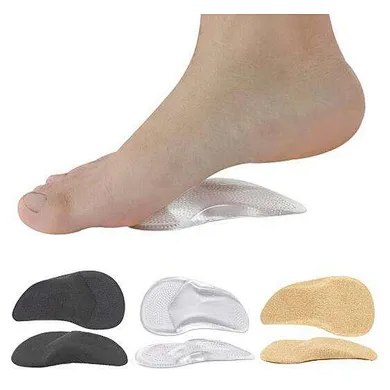
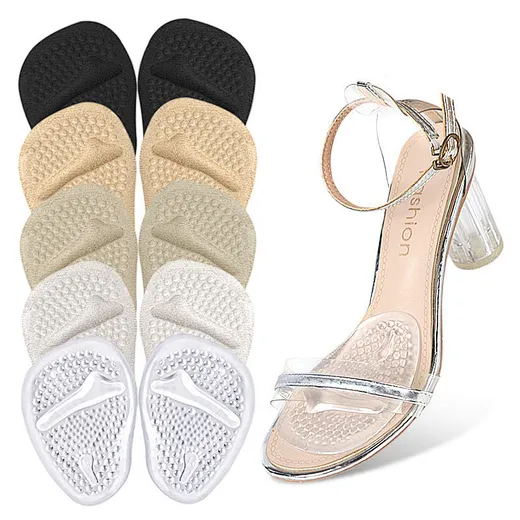
Discover comfortable insoles for high heels designed to relieve ball-of-foot pressure and reduce arch strain. These inserts provide cushioning and anti-slip grip for enhanced stability, making your heels wearable for longer periods with improved comfort.
How to Reduce High Heel Pain?
A Complete Guide to Using Insoles and Other Solutions for Comfortable Heels
Table of Contents
Understanding High Heel Pain
Wearing high heels shifts your body weight forward, placing excessive pressure on the balls of your feet and toes. This can lead to several painful conditions:
- Plantar fasciitis from strained arches
- Metatarsalgia (ball of foot pain)
- Bunions and hammertoes from cramped toe boxes
- Achilles tendon shortening from elevated heels
- Knee and back pain due to altered posture
The higher the heel, the more pressure is transferred to the front of your foot. In fact, wearing 3-inch heels increases pressure on the forefoot by 76% compared to flat shoes.
How Insoles Help Reduce Heel Pain
Shock Absorption
Gel or foam insoles cushion the balls of your feet, reducing impact with every step. This is particularly important on hard surfaces like concrete or tile.
Arch Support
Built-in arch supports distribute weight evenly across your foot, preventing excessive pressure concentration on the forefoot.
Heel Cushioning
Heel pads and cups absorb shock and prevent slipping, reducing strain on calves and Achilles tendons.
Improved Alignment
Orthotic insoles correct foot positioning, minimizing joint stress in knees, hips, and back by promoting better posture.
Pressure Redistribution
Specially designed metatarsal pads lift and separate the metatarsal bones, effectively spreading pressure away from sensitive areas.
Did You Know?
High-quality insoles can reduce forefoot pressure by up to 50%, significantly increasing how long you can comfortably wear heels.
Choosing the Right High Heel Insoles
Gel Forefoot Pads
Ideal for open-toe shoes or peep-toe heels, these transparent pads provide discreet cushioning exactly where you need it most.
Full-Length Insoles
Best for closed-toe heels, offering comprehensive support from heel to toe with arch support and metatarsal padding.
3/4 Length Insoles
Perfect for tight-fitting heels where full-length inserts might crowd the toe box while still providing forefoot cushioning and arch support.
Metatarsal Pads
Specifically target ball-of-foot pain by lifting and separating metatarsal bones to redistribute pressure away from sensitive nerves.
Heel Grips and Cushions
Prevent slipping and provide additional shock absorption in the heel area, reducing strain on calves and improving stability.
Expert Tips for Wearing High Heels
"High heel insoles are not just about comfort—they're preventive tools. The right insole can reduce pressure on the forefoot by up to 50%. I recommend gel-based inserts for evening wear and orthotic supports for daily heel use. Always break in new heels with insoles at home before wearing them for extended periods."
Dr. Sarah Mitchell
Podiatrist and Foot Health Specialist
Additional Professional Recommendations:
- Limit heel height to 2 inches for daily wear to minimize biomechanical stress
- Choose thicker heels over stilettos for better weight distribution and stability
- Stretch calf muscles before and after wearing heels to maintain flexibility
- Rotate shoe types throughout the week to vary pressure points on your feet
- Consider heel height variety - don't jump from flats to very high heels suddenly
- Take breaks when possible to sit down and stretch your feet during extended wear
FAQs About High Heel Pain Relief
What type of insole works best for stilettos?
3/4 length gel insoles are ideal as they provide forefoot cushioning without crowding narrow toe boxes. Look for ultra-thin varieties specifically designed for high heels.
Can insoles make tight heels more comfortable?
Yes, but choose ultra-thin materials to avoid making shoes tighter. Consider having professionally fitted shoes stretched for better results, and use insoles primarily for cushioning rather than volume reduction.
How often should I replace high heel insoles?
Replace every 3-6 months with regular use, or when cushioning shows visible compression. Gel pads may last longer than foam varieties.
Are expensive insoles worth the investment?
High-quality medical-grade insoles often provide better support and durability, making them cost-effective for frequent heel wearers. However, moderately priced options can work well for occasional use.
Can insoles prevent bunions?
While they can't reverse existing bunions, properly fitted insoles may slow progression by improving alignment and reducing pressure on the big toe joint. Wide toe boxes are also essential for bunion prevention.
Conclusion
High heel pain doesn't have to be inevitable. With the right insoles and proper footwear habits, you can enjoy the style of heels without sacrificing comfort. Remember that prevention is key—invest in quality inserts, choose heels wisely, and listen to your body's signals. Your feet will thank you after every wear!
For persistent foot pain, consult a podiatrist or foot specialist for personalized advice.


From Toe Separators to Heel Pads: Your Essential Foot Care Toolkit
Can You Put Insoles in High Heels? A Complete Guide to Comfort