The Ultimate Guide to Shoe Insole Materials and Their Benefits
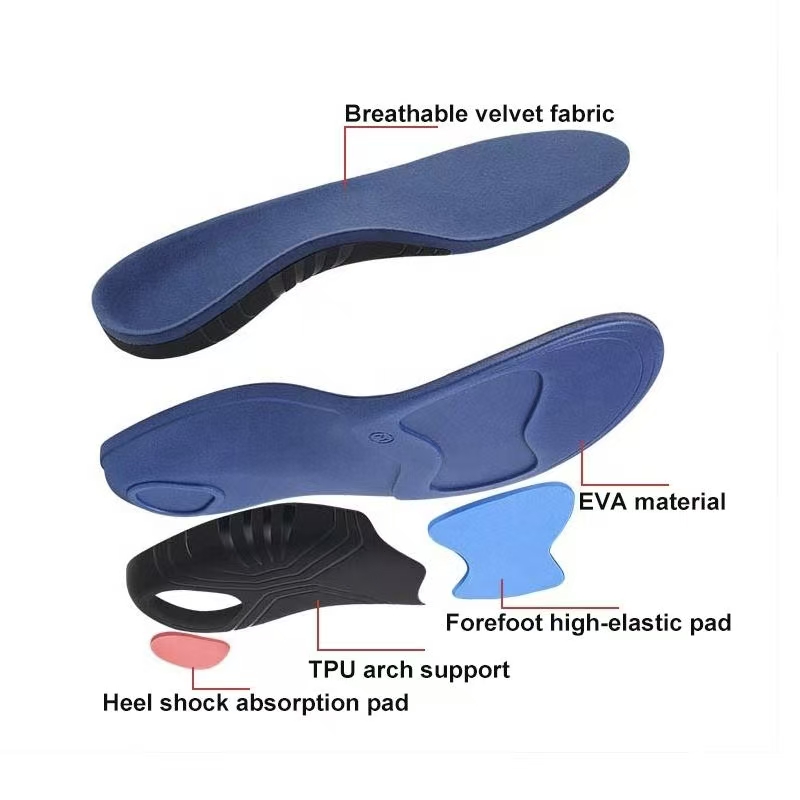
Understanding insole material is key to comfort. Common types include cushioned EVA foam for shock absorption,durable polyurethane for support,and moisture-wicking gel or leather for breathability. The best material depends on your activity and foot type.
The Ultimate Guide to Shoe Insole Materials and Their Benefits
Discover How Different Insole Materials Can Transform Your Foot Comfort and Shoe Performance
Table of Contents
Introduction to Shoe Insoles
Shoe insoles, also known as footbeds or inserts, serve multiple purposes beyond just adding cushioning. High-quality insoles can transform your footwear experience by providing support, improving alignment, and preventing various foot conditions.
The primary functions of shoe insoles include:
- Shock absorption to reduce impact on joints
- Arch support to maintain proper foot alignment
- Pressure redistribution to prevent hot spots and blisters
- Moisture management to keep feet dry and comfortable
- Temperature regulation to maintain optimal foot climate
Did You Know?
The average person takes about 8,000 to 10,000 steps per day, which adds up to approximately 115,000 miles over a lifetime - equivalent to walking around the Earth 4 times! Proper insole support is crucial for this incredible journey.
Types of Insole Materials and Their Benefits
Memory Foam Insoles
Memory foam insoles are made from viscoelastic polyurethane foam that conforms to the unique shape of your feet. They offer exceptional comfort by distributing pressure evenly across your entire foot.
Pros:
- Customized fit that molds to your feet
- Excellent pressure distribution
- Good shock absorption
Cons:
- Can retain heat
- May compress over time
- Not ideal for high-moisture environments
Gel Insoles
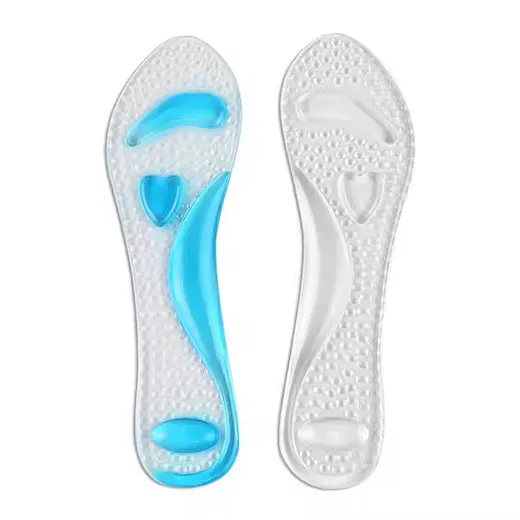
Gel insoles typically use silicone or polyurethane gel to provide superior cushioning and shock absorption. They're particularly effective at reducing pressure on specific areas like the heel and ball of the foot.
Pros:
- Superior shock absorption
- Targeted pressure relief
- Durable and long-lasting
Cons:
- Can add significant weight
- May feel too firm for some users
- Higher cost than basic foam
EVA (Ethylene-Vinyl Acetate) Insoles
EVA foam insoles are lightweight, flexible, and provide excellent cushioning. They're commonly used in athletic footwear due to their balance of comfort, support, and durability.
Pros:
- Lightweight yet supportive
- Good moisture resistance
- Affordable and widely available
Cons:
- Can compress over time
- Limited custom molding
- May lack sufficient arch support
Cork Insoles
Cork insoles are a natural, sustainable option that provides firm support while conforming to your foot shape over time. They're naturally antimicrobial and moisture-wicking.
Pros:
- Eco-friendly and sustainable
- Molds to foot shape over time
- Natural antimicrobial properties
Cons:
- Firmer than foam options
- Longer break-in period
- Higher price point
Leather Insoles
Leather insoles offer breathability, moisture absorption, and develop a personalized contour over time. They're often found in high-quality dress shoes and boots.
Pros:
- Excellent breathability
- Absorbs moisture effectively
- Develops personalized contour
Cons:
- Higher cost
- Requires breaking in
- Limited cushioning compared to foam
Charcoal Insoles
Charcoal insoles incorporate activated bamboo charcoal, which has natural odor-absorbing properties. They're ideal for people with sweaty feet or those who wear shoes for extended periods.
Pros:
- Superior odor control
- Moisture-wicking properties
- Antimicrobial benefits
Cons:
- May be less cushioning
- Can appear less premium
- Odor control diminishes over time
Choosing the Right Insole Material for Your Needs
For Athletic Activities
EVA foam or gel insoles are ideal for running, hiking, and sports. They provide excellent shock absorption and energy return while remaining lightweight.
For Daily Comfort
Memory foam insoles offer all-day comfort for work or casual wear, molding to your feet and reducing pressure points.
For Foot Conditions
If you have plantar fasciitis, flat feet, or other foot conditions, orthotic insoles with firm arch support (often made from combination materials) provide the stability needed.
For Moisture Control
Leather or charcoal insoles are excellent choices if you struggle with sweaty feet or foot odor, as they naturally wick moisture and inhibit bacterial growth.
For Sustainability
Cork insoles offer an eco-friendly option that still provides excellent support and molds to your feet over time.
Pro Tip:
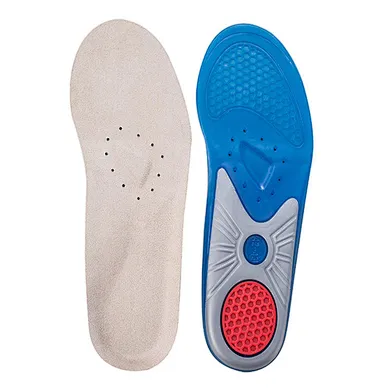
Many high-quality insoles combine multiple materials to leverage the benefits of each. For example, a memory foam base with gel pads in high-pressure areas offers both overall comfort and targeted relief.
Expert Insights on Insole Materials
"The material of an insole is just as important as its design. Many people focus solely on cushioning, but support and breathability are equally critical. For active individuals, I recommend EVA or hybrid materials that provide both shock absorption and structural support. Remember that the best insole material varies based on your foot type, activities, and specific needs."
Dr. Rebecca Simmons
Podiatrist and Sports Medicine Specialist
"In my practice, I've seen remarkable differences in patient outcomes based on insole material selection. Memory foam works wonders for arthritis sufferers, while firmer materials like thermoplastic are essential for controlling overpronation. Don't underestimate how much the right material can impact not just foot comfort, but overall body alignment."
Michael Stevens
Orthopedic Specialist and Biomechanics Researcher
FAQs About Insole Materials
How often should I replace my insoles?
This depends on the material and usage. Memory foam and EVA insoles typically last 6-12 months with regular use. Gel and leather insoles can last up to 2 years. Replace them when you notice compression, reduced support, or visible wear.
Can I wash my insoles?
Most EVA, gel, and memory foam insoles can be hand-washed with mild soap and air-dried. Leather insoles should be spot-cleaned only. Always check manufacturer instructions, as improper cleaning can damage some materials.
Are expensive insoles worth the investment?
Higher-priced insoles often use premium materials with better durability, support, and specialized features. For those with foot conditions or who spend long hours on their feet, the investment typically pays off in comfort and prevention of future issues.
Can insoles help with back pain?
Yes, proper insoles can significantly impact back pain by improving alignment and reducing impact. Materials with good shock absorption (like gel or memory foam) are particularly effective at reducing strain that travels up to the back.
What's the best insole material for people with diabetes?
For diabetic individuals, specialized diabetic insoles with extra-depth cushioning (often memory foam or multi-density foam) and seamless construction are recommended to reduce pressure points and prevent skin breakdown.
Conclusion
Choosing the right insole material can dramatically improve your comfort, support, and overall foot health. Whether you need the customized comfort of memory foam, the superior shock absorption of gel, the lightweight support of EVA, or the natural benefits of cork or leather, there's an ideal material for your specific needs.
Remember that the best insole for you depends on your foot type, activities, and any existing foot conditions. Don't hesitate to consult with a foot specialist if you need guidance in selecting the perfect insole material for your lifestyle.


The Ultimate Guide to Shoe Insoles: Benefits by Material
Insole Materials: The Science Behind Comfort and Support