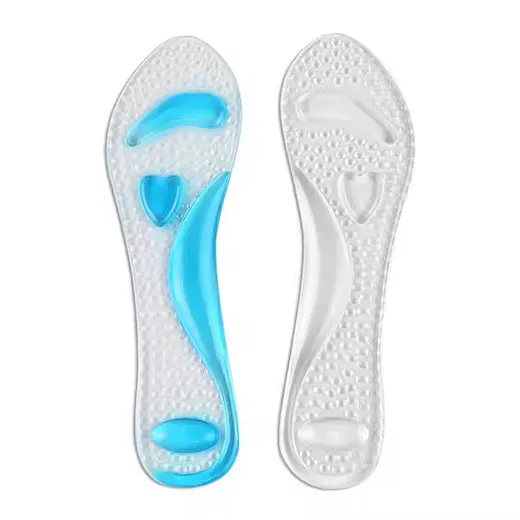
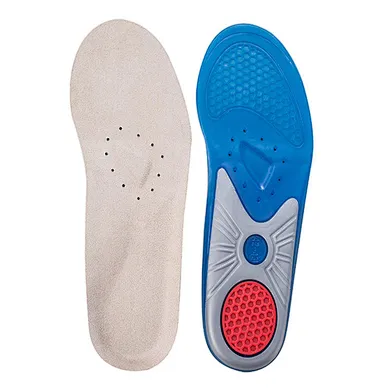
The Ultimate Guide to Shoe Insoles: Benefits by Material
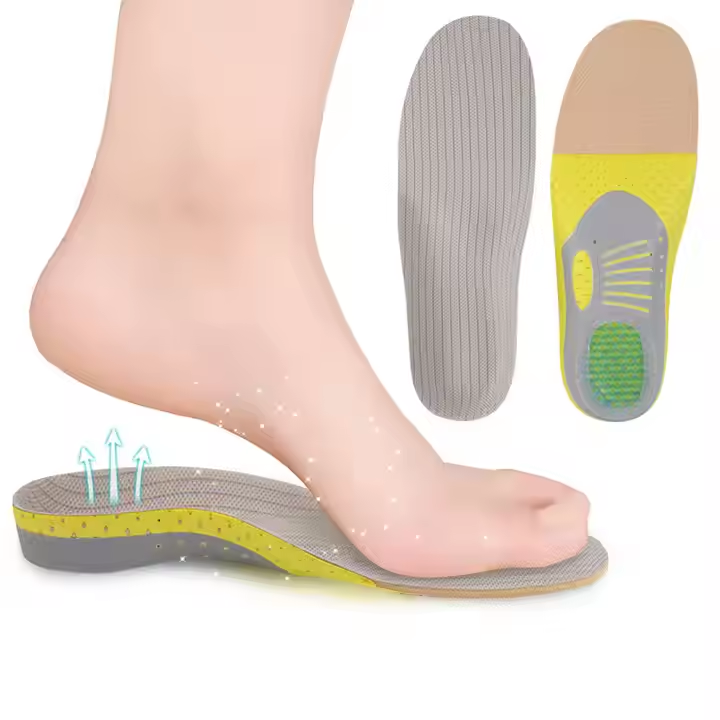
Understanding insert material is key to comfort. Common types include memory foam for cushioning, gel for shock absorption, and rigid polymers for arch support. The right material determines pressure relief, durability, and overall foot health.
The Ultimate Guide to Shoe Insoles: Benefits by Material
Discover How Different Insole Materials Can Transform Your Foot Comfort and Performance
Table of Contents
Introduction to Shoe Insoles
Shoe insoles, also known as footbeds or inserts, are removable layers placed inside shoes to enhance comfort, support, and performance. They serve multiple purposes from shock absorption to biomechanical correction, making them essential for various activities and foot conditions.
The material composition of an insole directly impacts its performance characteristics. Understanding these differences helps you select the right insole for your specific needs, whether you're an athlete seeking performance enhancement or someone looking for everyday comfort.
Quick Comparison of Insole Materials
| Material | Best For | Durability | |
|---|---|---|---|
| Memory Foam | Comfort, Cushioning | Medium | |
| Gel | Shock Absorption | High | |
| Leather | Breathability, Durability | High | |
| Carbon Fiber | Performance, Stability | Very High | |
| Cork | Custom Moldability | Medium-High |
How Insole Materials Impact Performance and Comfort
Different insole materials offer unique benefits that address specific needs. The right material can mean the difference between pain-free activities and discomfort that limits your mobility.
Shock Absorption
Materials like gel and foam excel at reducing impact on joints during walking, running, or standing.
Moisture Management
Leather and wool insoles wick moisture away from feet, preventing blisters and odor.
Arch Support
Carbon fiber and rigid plastics provide structural support for proper foot alignment.
Temperature Regulation
Some materials like cork and wool provide natural insulation against temperature extremes.
Foam Insoles: Comfort and Cushioning
Memory Foam Insoles
Memory foam molds to the shape of your foot, providing personalized cushioning and even weight distribution. These insoles are ideal for people who stand for long periods or have pressure point discomfort.
Best for: Everyday comfort, retail workers, nurses, people with arthritis
EVA Foam Insoles
Ethylene-vinyl acetate (EVA) foam is lightweight, flexible, and provides excellent shock absorption. It's commonly used in athletic insoles for its responsive cushioning and durability.
Best for: Running, hiking, athletic activities
Polyurethane Foam Insoles
Polyurethane (PU) foam offers firmer support than memory foam with better long-term durability. It maintains its shape well under repeated compression, making it suitable for high-impact activities.
Best for: Sports, heavy-duty work boots, people who need firm support
Gel Insoles: Superior Shock Absorption
Silicone Gel Insoles
Silicone gel insoles provide exceptional shock absorption, making them perfect for reducing impact on hard surfaces. The gel distributes pressure evenly across the foot, relieving heel and forefoot pain.
Best for: Concrete floors, high-impact activities, plantar fasciitis
Viscoelastic Gel Insoles
These advanced gel insoles combine cushioning and support with temperature sensitivity. They soften with body heat for custom molding while providing stable arch support.
Best for: Combination needs, people with both cushioning and support requirements
Benefits of Gel Insoles:
- Excellent impact reduction - up to 90% more shock absorption than standard foam
- Pressure redistribution - spreads weight evenly across the foot
- Durability - maintains cushioning properties longer than foam
- Stability - provides a secure footing while walking
Leather Insoles: Breathability and Durability
Full-Grain Leather Insoles
Full-grain leather offers superior durability and develops a personalized patina over time. These insoles provide excellent moisture-wicking properties and natural temperature regulation.
Best for: Dress shoes, leather boots, everyday wear
Sheepskin and Lambswool Insoles
These natural materials provide exceptional thermal insulation and softness. They're naturally moisture-wicking and offer gentle cushioning for sensitive feet.
Best for: Cold weather, indoor slippers, comfort footwear
Advantages of Leather Insoles:
- Natural breathability - allows air circulation to keep feet dry
- Moisture management - wicks sweat away from the skin
- Long-lasting - improves with age when properly cared for
- Antimicrobial properties - naturally resists odor-causing bacteria
Carbon Fiber Insoles: Performance and Stability
Rigid Carbon Fiber Insoles
Carbon fiber insoles provide maximum stability and energy transfer. Their rigid structure prevents excessive foot movement, making them ideal for athletic performance and biomechanical correction.
Best for: Running, sports, flat feet, overpronation
Carbon Fiber Composite Insoles
These combine carbon fiber with other materials to create a balance of stiffness and flexibility. They offer structural support while allowing natural foot movement in specific areas.
Best for: Multi-sport athletes, people needing moderate control
Performance Benefits:
- Enhanced energy return - improves propulsion in athletic activities
- Motion control - limits excessive pronation or supination
- Lightweight strength - provides support without adding weight
- Durability - maintains shape and performance over time
Specialty Insole Materials
Cork Insoles
Cork insoles naturally mold to your feet with body heat, creating a custom fit over time. They provide excellent shock absorption and natural antimicrobial properties.
Best for: Customizable comfort, eco-conscious consumers
Bamboo Charcoal Insoles
These insoles incorporate bamboo charcoal for superior odor control and moisture absorption. The porous structure of bamboo charcoal traps moisture and neutralizes odors effectively.
Best for: Odor prevention, active lifestyles, people with sweaty feet
Temperature-Regulating Insoles
Using phase-change materials (PCMs), these insoles actively manage foot temperature by absorbing excess heat and releasing it when feet get cold.
Best for: Extreme temperatures, outdoor workers, people with circulation issues
Expert Advice on Choosing the Right Insole Material
"Selecting the right insole material is crucial for addressing specific foot concerns. Many people choose based on comfort alone, but the material's structural properties determine its therapeutic benefits. For instance, gel excels at shock absorption but may not provide sufficient arch support for overpronators, who would benefit more from carbon fiber or rigid plastic."
Dr. Rebecca Simmons, DPM
Podiatric Physician and Sports Medicine Specialist
Material Selection Guidelines
- For impact reduction: Gel or high-density foam
- For arch support: Carbon fiber, rigid plastic, or firm EVA
- For moisture control: Leather, bamboo charcoal, or wool
- For custom molding: Memory foam, cork, or heat-moldable materials
- For temperature regulation: Wool, phase-change materials, or perforated leather
FAQs About Shoe Insole Materials
How often should I replace my insoles?
Replacement frequency depends on the material and usage. Foam insoles typically last 6-12 months, gel insoles 1-2 years, and carbon fiber or leather insoles can last several years with proper care. Replace when you notice decreased cushioning, visible wear, or persistent discomfort.
Can I wash insoles made from different materials?
Yes, but methods vary by material. Foam and gel insoles can usually be hand-washed with mild soap. Leather insoles should be spot-cleaned and conditioned. Carbon fiber insoles can be wiped clean. Always check manufacturer instructions and air dry completely before reuse.
Are expensive insoles worth the investment?
Higher-priced insoles often use premium materials with better durability and specialized features. While budget options work for basic comfort, investment in quality materials pays off for specific needs like athletic performance, medical conditions, or all-day comfort in demanding environments.
Can insoles help with specific foot conditions?
Absolutely. Different materials address different issues: Gel insoles for heel spurs and metatarsalgia, firm support materials for flat feet and overpronation, cushioned foams for arthritis, and moisture-wicking materials for fungal concerns. Consult a podiatrist for serious conditions.
Do I need different insoles for different activities?
Yes, activity-specific insoles optimize performance and comfort. Athletic insoles prioritize shock absorption and stability, dress shoe insoles focus on slim profiles and moisture control, while work boot insoles emphasize all-day support and durability.
Conclusion
Understanding insole materials empowers you to make informed decisions about foot comfort and health. The right material can transform your footwear experience, providing targeted solutions for shock absorption, support, moisture management, or temperature regulation.
Remember that individual needs vary based on activities, foot structure, and specific concerns. Don't hesitate to try different materials or consult a foot specialist to find your perfect match. Your feet support you every day—give them the quality support they deserve!


What Are Shoe Insoles Made Of?The Most Common Materials and How They Impact Comfort, Support & Durability
The Ultimate Guide to Shoe Insole Materials and Their Benefits