How to Choose the Right Insoles: Your Roadmap to Pain-Free Feet

Wondering how to choose insoles? The right pair depends on your arch type, foot pain needs, and activities. Look for supportive orthotics with cushioning for running, firm arch support for plantar fasciitis, or shock absorption for work.
How to Choose the Right Insoles: Your Roadmap to Pain-Free Feet
Table of Contents
- Understanding the Purpose of Insoles
- Key Factors to Consider
- Types of Insoles and Their Uses
- Expert Tips for Selection
- FAQs About Choosing Insoles
- Conclusion
Understanding the Purpose of Insoles
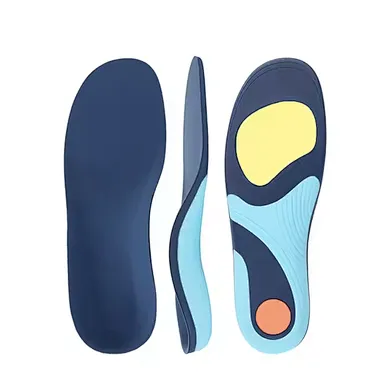
**Insoles** (or shoe inserts) are designed to enhance foot health by addressing specific needs:
- Correcting alignment to reduce joint strain.
- Providing cushioning for high-impact activities.
- Managing medical conditions like plantar fasciitis or flat feet.


Choosing the right pair ensures comfort, prevents injuries, and extends shoe lifespan.
Key Factors to Consider When Choosing Insoles
1. Foot Type and Arch Support
Identify your arch type: Flat feet need rigid arch support, high arches require cushioned support, and neutral arches benefit from balanced designs.
2. Activity Type
- Running/Walking: Prioritize shock absorption and flexibility.
- Work Boots: Opt for durable, moisture-wicking materials.
- Dress Shoes: Choose slim, discreet designs.
3. Material and Durability
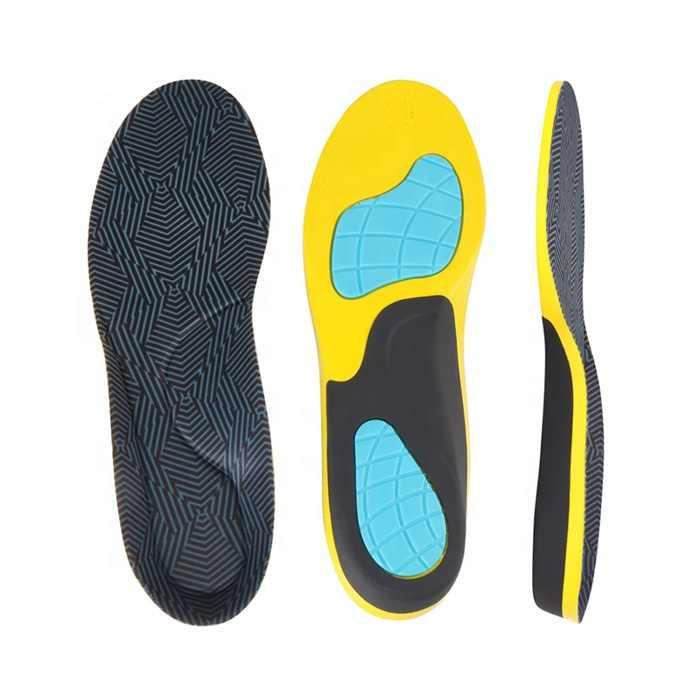
Memory foam molds to your foot, while gel excels in shock absorption. Orthotic-grade plastics offer long-lasting support for chronic issues.
Additional Considerations:
- Breathability to prevent sweat buildup.
- Trimmability for a custom fit.
- Medical certifications (e.g., FDA-approved for specific conditions).
Types of Insoles and Their Uses
1. Cushioning Insoles
Best for: High-impact activities or temporary pain relief.
Example: Gel inserts for runners or nurses.
2. Orthotic Insoles
Best for: Correcting biomechanical issues (flat feet, overpronation).
Example: Custom-molded inserts prescribed by podiatrists.
3. Heat-Moldable Insoles
Best for: Semi-custom support at home.
Example: Brands like Sole Softec.
Expert Tips for Selection
Dr. Karen Lee, a leading podiatrist, advises: "Always match the insole’s stiffness level to your activity. Rigid insoles stabilize flat feet but may feel uncomfortable in flexible shoes. Test them during short walks before committing."
She also recommends:
- Measure your shoe size with socks to ensure proper fit.
- Replace insoles every 6–12 months or when cushioning flattens.
- Combine insoles with proper footwear for maximum benefits.
FAQs About Choosing Insoles
1. How do I know if my insoles fit correctly?
They should fill the shoe without crowding toes. Heel and arch should align naturally with no slippage.
2. Can I trim insoles to fit my shoes?
Yes—most brands allow trimming. Follow the outline provided and use sharp scissors.
3. Are expensive insoles always better?
Not necessarily. Focus on material quality and intended use rather than price alone.
4. Can insoles worsen foot pain?
Poorly fitted or overly stiff insoles might. Start with short wear periods and consult a specialist if pain persists.
Conclusion
Choosing the right insoles hinges on understanding your foot type, activity demands, and material preferences. Whether you’re an athlete, a busy professional, or managing a foot condition, the perfect pair can transform your daily comfort. Always prioritize quality over trends, and don’t hesitate to seek expert guidance for persistent issues.


What Are the Best Insoles for Standing All Day? Relieve Fatigue and Boost Endurance
How Often Should You Replace Cycling Shoe Insoles? Maximize Comfort and Performance