How to Relieve High Heel Pain with Insoles: A Complete Guide

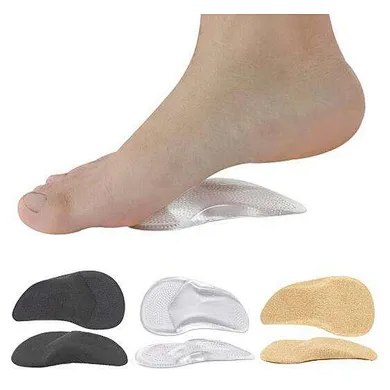
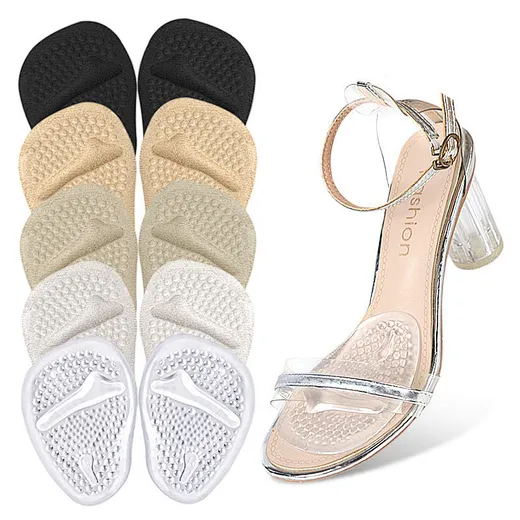
Discover comfortable high heel inserts designed to relieve ball-of-foot pressure and reduce arch strain. These slim, cushioned pads provide support and shock absorption for stilettos and pumps, helping you stay pain-free during extended wear.
How to Relieve High Heel Pain with Insoles: A Complete Guide
Discover how the right insoles can transform your high heel experience from painful to pleasurable
Table of Contents
Understanding High Heel Pain
Wearing high heels is a fashion statement, but it often comes with significant discomfort. The biomechanics of high heels force your body into an unnatural position, leading to various types of pain and potential long-term foot problems.
Why High Heels Cause Pain
When you wear high heels, your body weight shifts forward, placing excessive pressure on the balls of your feet. This can lead to:
- Metatarsalgia - pain and inflammation in the ball of the foot
- Plantar fasciitis - strain on the ligament connecting your heel to your toes
- Achilles tendon shortening - from prolonged elevation of the heel
- Bunions and hammertoes - from cramped toe boxes
- Knee, hip, and back pain - due to altered posture and gait
Wearing 3-inch heels increases pressure on the forefoot by 76% compared to flat shoes. This pressure can lead to chronic pain and permanent foot deformities over time.
How Insoles Relieve High Heel Pain
High heel insoles are specifically designed to address the unique challenges of elevated footwear. They work through several mechanisms to provide relief and prevent damage:
Pressure Redistribution
Metatarsal pads and strategic cushioning help distribute weight more evenly across your foot, reducing concentrated pressure on the ball of the foot.
Shock Absorption
Gel, foam, or silicone inserts absorb impact with each step, protecting joints from the repeated trauma of walking in heels.
Arch Support
Proper arch support helps maintain the foot's natural alignment, reducing strain on the plantar fascia and preventing collapse of the foot's structure.
Improved Stability
Insoles with heel cups and side supports enhance stability, reducing the risk of ankle rolls and improving balance.
Reduced Friction
Smooth, seamless surfaces and moisture-wicking materials prevent blisters and irritation caused by rubbing.
Types of Insoles for High Heels
Full-Length Insoles
These cover the entire footbed and provide comprehensive support from heel to toe. Best for closed-toe heels with enough depth to accommodate them.
3/4 Length Insoles
These stop before the toes, making them ideal for tight-fitting heels or peep-toe styles where full-length insoles would be visible or uncomfortable.
Ball-of-Foot Cushions
Specifically target metatarsal pain with gel or foam pads that cushion the area where pressure is greatest.
Heel Grips and Cushions
Prevent slipping and provide shock absorption in the heel area, reducing strain on calves and improving fit.
Arch Support Inserts
Focus on supporting the foot's arch to maintain proper alignment and reduce strain on the plantar fascia.
Metatarsal Pads
Designed to lift and separate the metatarsal bones, effectively redistributing pressure away from sensitive nerves.
Choosing the Right Insoles
Consider Your Heel Type
Stilettos require thin, flexible insoles that won't crowd the toe box, while wedges and block heels can accommodate more substantial support.
Assess Your Pain Points
Identify where you experience the most discomfort: ball of foot, arch, heel, or toes. Choose insoles that target your specific pain areas.
Material Matters
Gel insoles offer superior cushioning, memory foam molds to your foot's shape, and leather or fabric-covered options provide breathability.
Check the Thickness
Ensure the insole thickness works with your shoe's fit. Ultra-thin options are essential for tight-fitting heels.
Look for Additional Features
Moisture-wicking properties, antimicrobial treatment, and non-slip surfaces enhance comfort and hygiene.
Expert Advice on High Heel Insoles
"Many women believe high heel pain is inevitable, but with the right insoles, you can significantly reduce discomfort and prevent long-term damage. I always recommend starting with gel metatarsal pads for ball-of-foot pain, as they can reduce pressure by up to 50%. For all-day wear, consider semi-rigid arch supports to maintain proper foot alignment."
Dr. Rebecca Simmons, DPM
Podiatrist and Foot Health Specialist
Additional Professional Recommendations
- Break in new heels gradually with insoles to allow your feet to adapt
- Rotate your heel heights throughout the week to vary pressure points
- Stretch your calves and feet before and after wearing heels
- Replace insoles every 3-6 months or when cushioning shows visible compression
- Consider custom orthotics if you have specific foot conditions or wear heels frequently
- Never 'power through' significant pain - it's your body's warning signal
Keep different types of insoles on hand for different heel styles. What works in stilettos may not be ideal for platforms or wedges.
Frequently Asked Questions
Can insoles make tight heels more comfortable?
Yes, but you need to choose ultra-thin insoles specifically designed for tight-fitting shoes. Look for options made from thin gel or leather that provide cushioning without taking up too much space.
How do I know if I need full-length or 3/4 length insoles?
This depends on your shoe style. Full-length insoles work best in closed-toe heels with adequate depth, while 3/4 length insoles are ideal for peep-toe styles or shoes with limited toe space.
Are expensive insoles worth the investment?
Higher-priced insoles often use medical-grade materials and offer better support and durability. For occasional wear, moderately priced options may suffice, but frequent heel wearers typically benefit from investing in quality insoles.
Can insoles prevent bunions from forming?
While insoles can't reverse existing bunions, they can slow their progression by improving foot alignment and reducing pressure on the big toe joint. Wide toe boxes and proper fit are also crucial for bunion prevention.
How often should I replace my high heel insoles?
Most high heel insoles should be replaced every 3-6 months with regular use. Gel pads may last slightly longer than foam options. Replace sooner if you notice visible compression or decreased cushioning.
Conclusion
High heel pain doesn't have to be inevitable. With the right insoles, you can enjoy the style and confidence of heels without sacrificing comfort or foot health. The key is selecting insoles that address your specific pain points and fit well within your shoes.
Remember that prevention is always better than treatment when it comes to foot health. Investing in quality insoles today can help prevent chronic pain and permanent foot damage tomorrow.
Whether you're preparing for a special event or wear heels regularly as part of your professional wardrobe, the right insoles can transform your experience from painful to pleasurable.


Are Toe Separators Really Effective?
From Toe Separators to Heel Pads: Your Essential Foot Care Toolkit