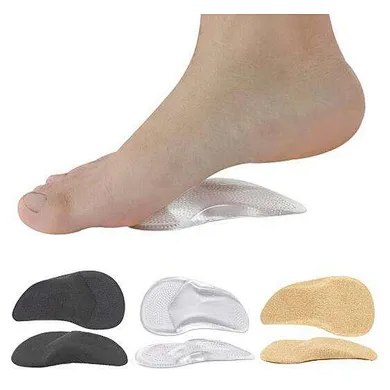
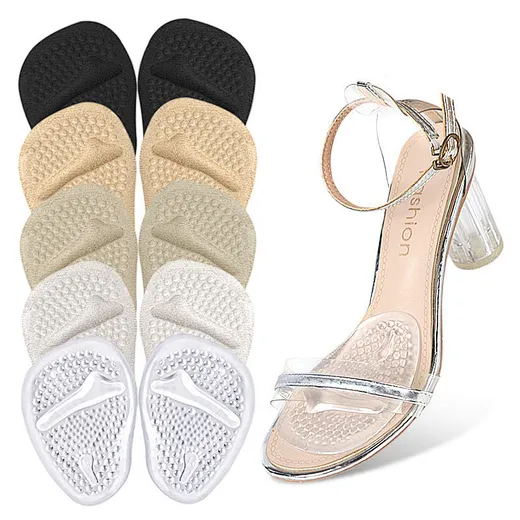
Heel Protectors: The Ultimate Solution for Pain-Free Steps
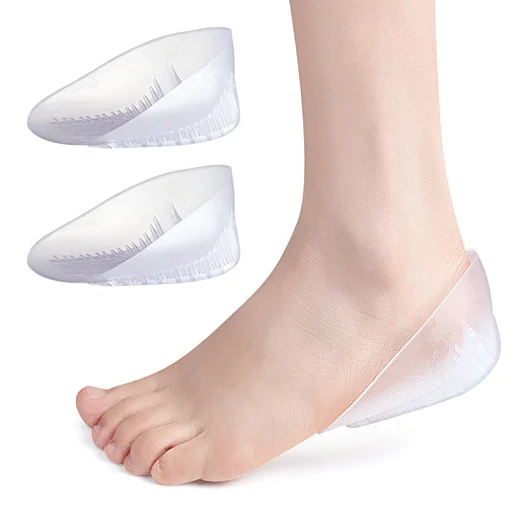
Prevent blisters & heel pain with our premium heel protectors! Designed for comfort, these cushioned sleeves reduce friction, support recovery, and fit snugly in any shoes. Ideal for athletes, diabetics, and daily wear. Say goodbye to sore heels.
Heel Protectors: The Ultimate Solution for Pain-Free Steps
Table of Contents
- What Are Heel Protectors?
- How Heel Protector Inserts Work
- Types of Heel Protector Inserts
- Expert Advice on Heel Care
- FAQs About Heel Protectors
- Conclusion
What Are Heel Protectors?
**Heel protectors** are specialized **shoe inserts** designed to cushion, support, and shield the heels from friction, impact, and pressure-related injuries. Ideal for athletes, individuals with plantar fasciitis, or those who stand for long hours, these inserts combat heel pain, blisters, and fatigue.
How Heel Protector Inserts Work
Core Mechanisms for Heel Relief
These inserts leverage advanced materials and ergonomic designs to:
- Absorb shock during walking or running.
- Stabilize the heel to prevent misalignment.
- Reduce friction with smooth, non-irritating surfaces.
Key Benefits
- Prevents **heel cracks** and calluses.
- Enhances comfort in high-impact footwear (e.g., running shoes, work boots).
- Supports recovery from injuries like plantar fasciitis.
Types of Heel Protector Inserts
1. Gel Cushion Inserts
Made from **medical-grade silicone**, these provide soft, adaptive support for sensitive heels.
2. Orthotic Heel Cups
Rigid inserts with **deep heel cups** to align the foot and redistribute pressure.
3. Moisture-Wicking Pads
Designed for active users, these prevent blisters by keeping the heel dry.


Expert Advice on Heel Care
Dr. Sarah Lin, a sports medicine specialist, explains: "**Heel protector inserts** are essential for anyone prone to repetitive strain. They act as a barrier against impact and improve biomechanics, reducing long-term damage." She recommends pairing them with properly fitted shoes and stretching routines for optimal results.
FAQs About Heel Protectors
1. Are heel protectors suitable for diabetic patients?
Yes! Many are designed with **extra cushioning** to protect sensitive skin, but consult a doctor first.
2. How often should I replace heel inserts?
Every 6–12 months, depending on usage. Replace sooner if they show wear or lose cushioning.
3. Can they fit in narrow shoes?
Thin, low-profile designs work in most shoes, but avoid overly tight footwear.
4. Do they help with Achilles tendonitis?
Yes—by reducing heel lift and stabilizing the foot, they minimize strain on the Achilles tendon.
Conclusion
**Heel protectors** are a simple yet powerful tool to safeguard your heels from pain and injury. Whether you’re an athlete, a healthcare worker, or someone managing chronic foot conditions, these **shoe inserts** offer tailored support for every step. Prioritize your foot health by choosing the right design and consulting experts for personalized guidance.


Hallux Valgus: Comprehensive Guide to Bunion Management with Orthotic Insoles
Bunion Corrector for Big Toe: Restore Comfort with Targeted Shoe Inserts