High Heel Hacks: The Secret to All-Day Comfort with Forefoot Pads

Reduce discomfort with gel heel pads for high heels designed for maximum shock absorption. These ultra-thin cushions relieve pressure, prevent blisters and slipping, enhancing all-day wear comfort in stilettos and pumps without altering shoe fit.
High Heel Hacks: The Secret to All-Day Comfort with Forefoot Pads
Table of Contents
- Introduction: The High Heel Dilemma
- What Are Forefoot Pads and How Do They Work?
- Key Benefits of Using Forefoot Pads
- Types of Forefoot Pads for Different Heel Styles
- Expert Advice: Podiatrists Weigh In
- How to Select the Right Forefoot Pads
- Proper Application and Maintenance Tips
- Frequently Asked Questions (FAQs)
- Conclusion: Step Confidently in Your Heels
Introduction: The High Heel Dilemma
High heels have been a fashion staple for centuries, symbolizing elegance, confidence, and style. Yet, for many women, wearing heels often comes at a cost: foot pain, blisters, and long-term damage to foot health. The pressure on the forefoot and metatarsal bones when wearing high heels can be up to seven times greater than when wearing flat shoes. This is where forefoot pads emerge as a game-changing solution.
These innovative shoe inserts are specifically designed to redistribute weight, absorb shock, and provide cushioning where it's needed most. By addressing the primary pressure points in high heels, forefoot pads transform the wearing experience from painful to pleasant, allowing you to enjoy both style and comfort throughout the day.
What Are Forefoot Pads and How Do They Work?
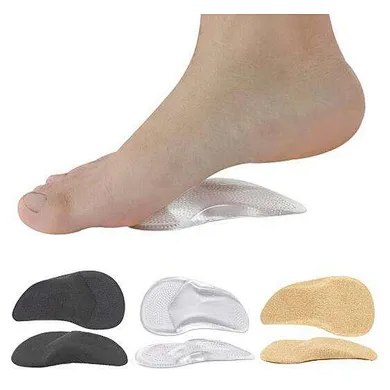
Forefoot pads are specialized shoe inserts placed in the front part of your footwear, directly under the ball of your foot. Unlike full-length insoles, they target the specific area that bears the brunt of pressure when wearing heels.
The Science Behind the Comfort
When you wear high heels, your body weight shifts forward, placing excessive pressure on the forefoot area. This can lead to conditions like metatarsalgia (pain in the ball of the foot), calluses, and neuromas. Forefoot pads work through several mechanisms:
- Pressure Redistribution: By adding a cushioned layer, they spread your body weight more evenly across the forefoot.
- Shock Absorption: The materials used (typically gel, foam, or silicone) absorb impact with each step.
- Metatarsal Support: Some designs feature a raised dome that lifts and separates the metatarsal bones, reducing nerve compression.
- Friction Reduction: They create a smooth barrier between your foot and the shoe, preventing blisters and hot spots.
Key Benefits of Using Forefoot Pads
Immediate Pain Relief
The most noticeable benefit is the immediate reduction in forefoot pain. By cushioning the ball of your foot, forefoot pads minimize the direct pressure on sensitive nerves and bones.
Extended Wear Time
With proper cushioning and support, you can comfortably wear your favorite heels for longer periods—from a few hours to all-day events. This transforms heels from "special occasion only" shoes to practical wardrobe staples.
Prevention of Foot Conditions
Regular use of forefoot pads can help prevent the development of common high-heel-related issues:
- Plantar fasciitis (less strain on the arch)
- Morton's neuroma (reduced nerve compression)
- Calluses and corns (decreased friction and pressure)
- Bunions (improved alignment and reduced pressure on the big toe joint)
Of all the little miracles that make high heels more wearable, gel forefoot pads are arguably the unsung heroes. Unlike ordinary foam or fabric inserts that quickly compress and lose their cushioning, gel pads are engineered to absorb and disperse pressure dynamically. The secret lies in their unique silicone-based material, which closely mimics the properties of natural fatty tissue in the ball of your foot. With each step, the gel smoothly redistributes your weight away from the most strained points, significantly reducing the concentrated impact that leads to burning pain and fatigue.
What sets a quality gel pad apart is its combination of softness and rebound. It doesn’t just squish flat; it provides a soft, pillowy landing while offering gentle support and bounce-back with every movement. This makes a dramatic difference during prolonged wear, whether you're navigating a long wedding, a busy workday, or an evening out. Many designs also feature a non-slip adhesive backing to ensure the pad stays securely in place, preventing awkward shifting or bunching inside your shoe.
For anyone who values both style and comfort, investing in these discreet gel cushions is a game-changer. They extend your heels’ wearable hours, allowing you to walk with more confidence and far less discomfort. It’s a simple, affordable upgrade that transforms your favorite—yet sometimes formidable—heels into shoes you can truly enjoy.
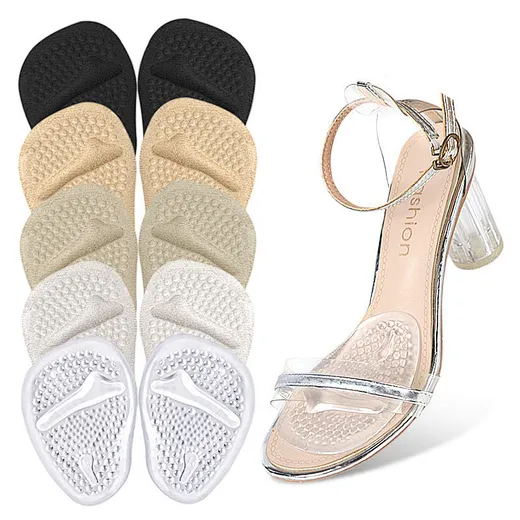
If you’ve ever worn high heels for more than an hour, you know the struggle is real — especially in the forefoot area. That’s where high-heel gel forefoot cushions come to the rescue! Made from soft yet durable gel material, these little inserts are designed to absorb shock and ease pressure exactly where you need it most. What makes them even more practical is their built-in adhesive backing, which keeps them securely in place inside your shoes — no slipping or shifting throughout the day. Plus, many designs feature a subtle striped texture on top, which adds an extra layer of anti-slip grip between your foot and the shoe. This not only enhances comfort but also improves stability, so you can walk with more confidence and less fatigue. Whether you're heading to a wedding, a long workday, or a night out, these discreet pads are a game-changer for anyone who loves heels but values comfort too. Give your feet the cushioning they deserve!

Versatility Across Footwear
While designed for high heels, quality forefoot pads can also enhance comfort in other shoes with minimal arch support, such as flats, sandals, and even some types of dress shoes.
Types of Forefoot Pads for Different Heel Styles
Gel Forefoot Pads
Made from medical-grade silicone or gel, these provide excellent shock absorption and conform to the shape of your foot. They're ideal for stilettos and pumps where pressure concentration is highest.
Foam Cushion Pads
Typically made from memory foam or polyurethane, these offer a softer cushioning experience. They're excellent for all-day wear in block heels or wedges.
Metatarsal Pads
These feature a raised center that specifically lifts and supports the metatarsal arch. They're particularly beneficial for those experiencing ball of foot pain or nerve symptoms.
Full-Ball Pads vs. Half-Ball Pads
Full-ball pads cover the entire forefoot area, while half-ball pads target just the most sensitive central portion. Your choice depends on your specific pain points and shoe style.
Adhesive vs. Non-Adhesive
Adhesive pads stick directly to the insole of your shoe, preventing slipping. Non-adhesive versions are removable and transferable between different pairs of shoes.
Expert Advice: Podiatrists Weigh In
Dr. Sarah Mitchell, DPM - Podiatric Surgeon
"Many of my patients who wear high heels develop metatarsalgia and forefoot pain from excessive pressure on the ball of the foot. I frequently recommend high-quality forefoot pads as a first-line conservative treatment. The key is to choose pads with adequate thickness and the right material—medical-grade silicone tends to offer the best combination of cushioning and durability. It's also important to replace them regularly, as they compress over time and lose effectiveness."
Dr. James Robinson, DPM - Sports Medicine Specialist
"From a biomechanical perspective, forefoot pads work by increasing the surface area that supports your body weight. This reduces pressure concentration on specific points. For high heel wearers, I suggest looking for pads with a slight arch support feature as well, since heels often lack proper arch support. Also, consider the heel height—the higher the heel, the thicker the padding you'll likely need in the forefoot area."
How to Select the Right Forefoot Pads
Consider Your Heel Height
The higher the heel, the more forefoot pressure you'll experience. For heels over 3 inches, look for thicker pads with superior shock absorption.
Assess Your Foot Shape and Size
Measure the ball of your foot and ensure the pad covers the entire pressure area. Most pads come in multiple sizes or are trimmable for a custom fit.
Evaluate Material Quality
Look for medical-grade materials that are hypoallergenic, latex-free, and maintain their cushioning properties over time. Avoid materials that flatten quickly or cause your feet to sweat excessively.
Check for Breathability
Some pads feature breathable designs or moisture-wicking properties to keep your feet cool and dry throughout the day.
Proper Application and Maintenance Tips
Step-by-Step Application
- Clean the insole of your shoe thoroughly and let it dry completely.
- Peel the backing from the adhesive side of the pad (if applicable).
- Position the pad so it sits directly under the ball of your foot when wearing the shoe.
- Press firmly for 10-15 seconds to ensure proper adhesion.
- Allow the adhesive to set for at least an hour before wearing the shoes.
Maintenance and Replacement
To maximize the lifespan of your forefoot pads:
- Clean them regularly with mild soap and water
- Allow them to air dry completely before reusing
- Replace them every 3-6 months, or as soon as you notice decreased cushioning
- Store them flat when not in use to maintain their shape
Combining with Other Comfort Solutions
For maximum comfort, consider using forefoot pads in combination with:
- Heel grips to prevent slipping
- Toe separators to alleviate pressure on toes
- Arch support inserts for additional stability
Frequently Asked Questions (FAQs)
How long do forefoot pads typically last?
With regular use, most quality forefoot pads last 3-6 months. The lifespan depends on factors like material quality, frequency of use, and your body weight. Gel pads tend to last longer than foam ones.
Can I use the same forefoot pads in different pairs of shoes?
Yes, if you choose non-adhesive pads or ones with a gentle adhesive that can be repositioned. However, for optimal performance, it's best to have dedicated pads for each frequently worn pair of heels.
Do forefoot pads work for all types of high heels?
They work for most heel types, including stilettos, pumps, wedges, and block heels. However, for extremely narrow or pointed-toe shoes, you may need to trim the pads to fit properly.
Can forefoot pads help with bunions?
While they don't correct bunions directly, they can alleviate some of the pressure on the bunion area by redistributing weight across the forefoot. For bunion-specific relief, look for pads with targeted cushioning for the big toe joint.
Are forefoot pads visible when wearing shoes?
High-quality, thin-profile forefoot pads are virtually invisible in most closed-toe shoes. For open-toe styles, look for transparent or skin-toned options designed to be discreet.
Can men benefit from forefoot pads?
Absolutely! While less common, men who wear dress shoes with elevated heels or minimal cushioning can experience similar forefoot pressure and benefit from these pads.
Conclusion: Step Confidently in Your Heels
Forefoot pads represent a simple yet revolutionary solution to the age-old problem of high heel discomfort. By targeting the specific area where pressure concentrates—the ball of the foot—these innovative inserts provide immediate relief, prevent long-term foot damage, and extend your wearing time significantly.
Remember that not all forefoot pads are created equal. Invest in high-quality, medical-grade products that offer both cushioning and support. Consider your specific needs—heel height, foot shape, and any existing foot conditions—when selecting the right pad for you.
With the right forefoot pads, you no longer have to choose between style and comfort. You can confidently wear your favorite heels for extended periods, knowing your feet are properly supported and protected. Embrace this simple hack and transform your high heel experience from painful to pleasurable, one step at a time.


Daytime Separation vs. Nighttime Correction: How to Combine Toe Care Products for Optimal Results
Toe Separators: Benefits, Uses, and How They Improve Foot Health