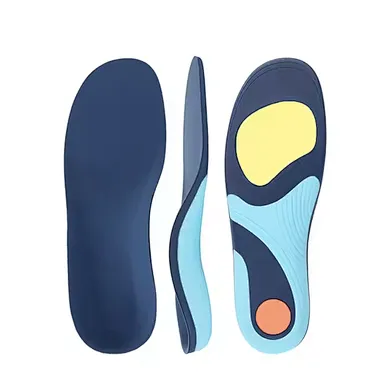
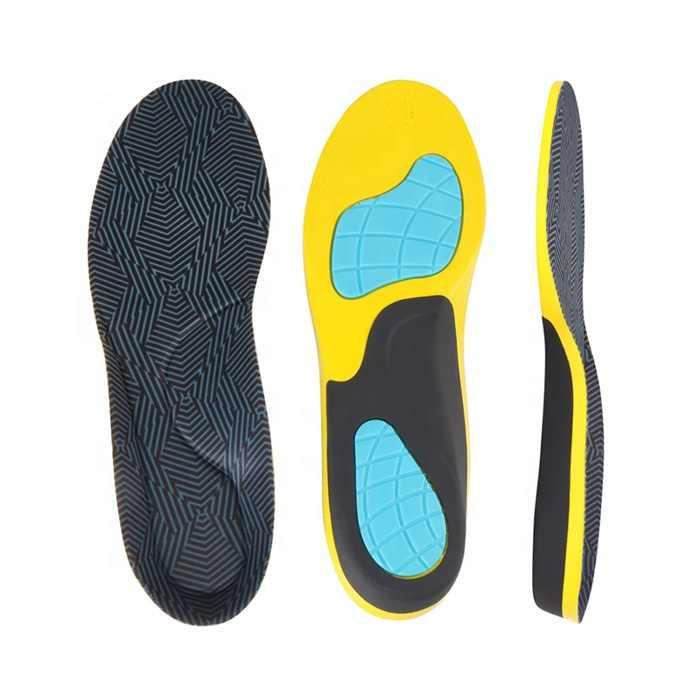
Care for My Feet Insoles: Maximizing Comfort and Longevity
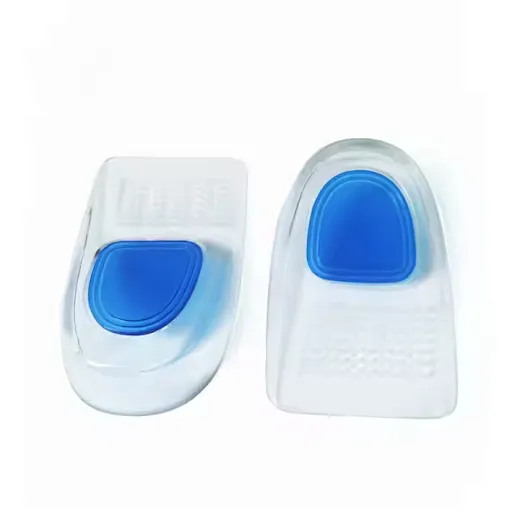
Experience all-day relief with our premium gel insoles for shoes, designed to cushion every step. These shock-absorbing inserts reduce foot fatigue, prevent blisters, and provide arch support. Perfect for work, running, or travel. Enjoy cooling comfort and enhanced stability in any footwear!
Care for My Feet Insoles: Maximizing Comfort and Longevity
Why Proper Insole Care Matters
Foot care insoles are designed to support arches, relieve pain, and improve posture—but their effectiveness depends on proper maintenance. Regular care prevents **bacterial growth**, preserves **cushioning performance**, and extends their lifespan by up to 50%.
Common Types of Insoles and Their Care Needs
1. Gel Insoles
Require gentle cleaning to avoid damaging silicone layers. Avoid extreme temperatures.
2. Memory Foam Insoles
Prone to moisture retention. Prioritize drying techniques to prevent odor.
3. EVA Orthotics
Durable but need UV protection to avoid material breakdown.


Daily Maintenance Routine for Insoles
Step 1: Cleaning
- Remove insoles daily and wipe with mild soap solution
- Use a soft brush for textured surfaces
- Never machine-wash unless specified
Step 2: Drying
- Air-dry away from direct heat (radiators/sunlight)
- Place vertically to enhance airflow
- Use moisture-wicking cloths for accelerated drying
Step 3: Deodorizing
- Sprinkle baking soda overnight
- Use activated charcoal pouches during storage
- Avoid harsh chemical sprays
Advanced Care Techniques by Material
For Leather Insoles
- Condition monthly with pH-balanced leather cream
- Store with cedarwood inserts to prevent curling
For Antimicrobial Insoles
- Disinfect weekly with 70% isopropyl alcohol
- Replace every 8-12 months as coatings degrade
Storage Solutions to Prevent Damage
- Use ventilated storage bags
- Keep flat or rolled (never folded)
- Maintain 40-60% humidity levels
Seasonal Storage Tips
Summer Care
Prevent adhesive melt with temperature-controlled spaces.
Winter Care
Thaw frozen insoles gradually at room temperature.
When to Replace Your Insoles: 5 Warning Signs
- Visible cracks or permanent creases
- Loss of rebound cushioning (fails "thumb test")
- Persistent odors despite cleaning
- Top layer peeling/flaking
- Reduced pain relief effectiveness
Pro Tips to Extend Insole Lifespan
- Rotate between two pairs for 24-hour drying cycles
- Use insole liners as protective barriers
- Apply waterproofing sprays for outdoor models
Conclusion: Small Efforts, Big Returns
Proper care of foot care insoles enhances comfort, prevents infections, and saves money through extended use. By following these science-backed maintenance practices, you ensure your insoles continue providing optimal support throughout their lifespan.


How to Wash Insoles: The Complete Guide to Clean, Fresh Footbeds