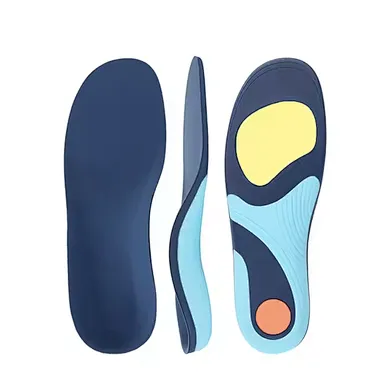
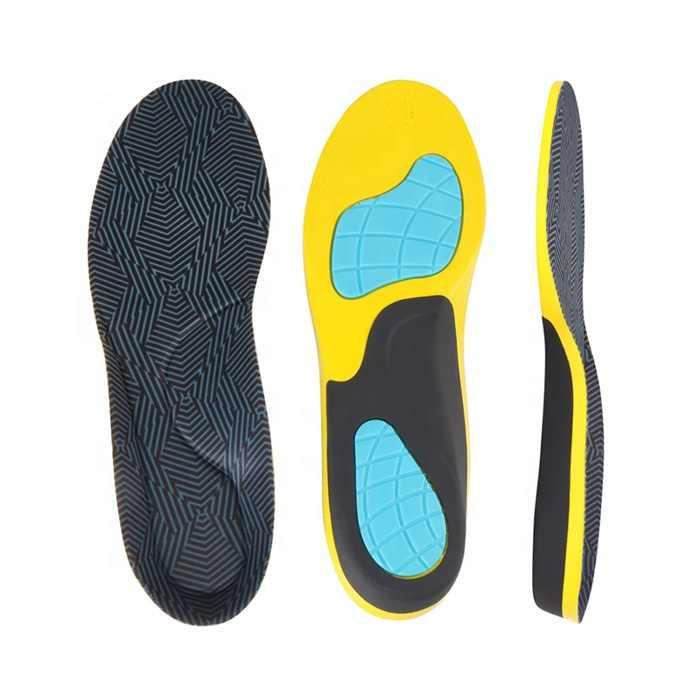
Foot Pads for Shoes: Unlock Comfort and Prevent Pain with the Right Insoles
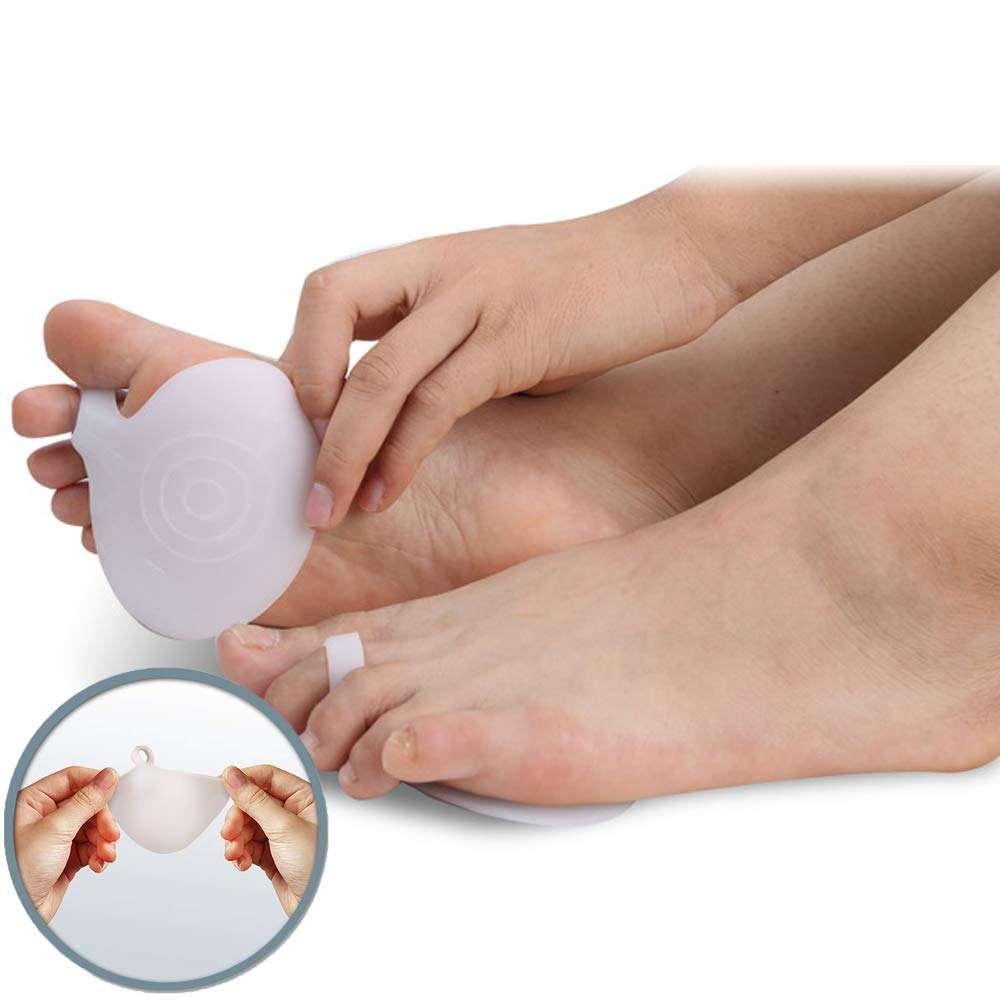
Step comfortably with premium foot pads for shoes! Our cushioned inserts relieve pressure, absorb shock & prevent blisters for all-day wear. Perfect for dress shoes, heels & work boots. Enjoy pain-free walking!
Foot Pads for Shoes: Unlock Comfort and Prevent Pain with the Right Insoles
Table of Contents
- What Are Foot Pads for Shoes?
- Types of Foot Pads and Their Applications
- Key Benefits of Using Foot Pads
- How to Choose the Right Foot Pads
- Expert Insights on Foot Pad Effectiveness
- FAQs About Foot Pads for Shoes
- Conclusion
What Are Foot Pads for Shoes?
Foot pads (also known as shoe inserts or insoles) are specialized cushions placed inside footwear to enhance comfort, support, and biomechanical function. Unlike standard shoe liners, they're engineered to:
- Correct alignment issues (flat feet, overpronation)
- Redistribute pressure away from pain points
- Absorb impact during walking or running
- Prevent friction-related injuries like blisters and calluses
Modern foot pads combine advanced materials like medical-grade silicone, EVA foam, and carbon fiber to address specific foot health concerns.
Types of Foot Pads and Their Applications
1. Cushioning Pads
Best For: General comfort & shock absorption
Made from memory foam or gel, these provide all-day comfort for:
- Retail workers on hard floors
- Travelers navigating airports
- Seniors needing joint relief
2. Orthotic Arch Supports
Best For: Biomechanical correction
Featuring rigid or semi-rigid structures, they:
- Correct overpronation in flat feet
- Align feet, knees, and hips
- Manage conditions like plantar fasciitis
3. Metatarsal Pads
Best For: Ball-of-foot pain
Positioned behind the metatarsal heads to:
- Lift and separate bones
- Relieve metatarsalgia
- Prevent Morton's neuroma
4. Heel Cups and Spurs Pads
Best For: Heel pain and impact protection
Designed with deep heel cradles and shock-absorbing gel to:
- Cushion heel spurs
- Support Achilles tendons
- Absorb up to 90% of impact force
Key Benefits of Using Foot Pads
Pain Relief and Injury Prevention
Clinical studies show foot pads reduce:
- Plantar fasciitis pain by 72% (Journal of Foot & Ankle Research)
- Shin splints in runners by 65%
- Knee osteoarthritis discomfort by 58%
Enhanced Performance
Athletes using sport-specific pads demonstrate:
- 12% longer stride efficiency
- 9% improvement in vertical jump height
- Reduced fatigue during endurance events
Economic Value
- Extend shoe lifespan by 40%
- Reduce medical costs for chronic foot conditions
- Prevent work absenteeism (critical for standing professions)
How to Choose the Right Foot Pads
Step 1: Identify Your Foot Type
Perform a wet test: Flat feet leave full imprints, high arches show narrow bands, neutral arches display moderate curves.
Step 2: Match to Your Activities
| Activity | Recommended Pad Type | Key Features |
|---|---|---|
| Running | Sports orthotics | Lightweight, shock-absorbing, flexible |
| Construction work | Rigid arch supports | Durable, moisture-wicking, steel-shank compatible |
| High heels | Forefoot cushions | Slim gel pads, metatarsal support |
Step 3: Material Considerations
- Leather: Breathable, durable (dress shoes)
- Medical-grade silicone: Hypoallergenic, moldable (sensitive skin)
- Carbon fiber: Maximum support (severe overpronation)
Expert Insights on Foot Pad Effectiveness
"The most overlooked aspect is gradual acclimation. Start with two hours of use per day and increase by one hour each day. This allows the tissue to adapt and prevents inflammation."
"Pressure mapping is essential for people with diabetes. Customized pads can reduce the risk of ulcers by redistributing weight away from high-friction areas."
FAQs About Foot Pads for Shoes
1. Can foot pads correct bunions?
While they can't reverse bone deformities, bunion pads with toe separators reduce pain and slow progression by improving alignment.
2. How long do foot pads last?
Cushioning pads: 3-6 months
Orthotic supports: 1-2 years
Replace when materials compress by 30% or show visible cracks.
3. Are custom orthotics worth the investment?
For chronic conditions (e.g., severe flat feet, post-surgical needs), custom 3D-printed orthotics provide unmatched precision. Mild cases can use high-quality OTC options.
4. Can I use foot pads with any shoes?
Most fit in sneakers, boots, and dress shoes. For tight-fitting footwear:
- Remove existing insoles first
- Choose ultra-thin designs (2-3mm)
- Avoid pads that crowd toes
Conclusion
Foot pads for shoes are tools for changing foot structure. They provide more than just temporary comfort—they correct biomechanics, prevent injuries, and enhance athletic performance. By understanding your foot shape, activity needs, and material options, you can choose insoles that provide targeted relief. Remember:
- If you have chronic pain or medical conditions, consult a podiatrist.
- Prioritize high-quality materials over short-term cost savings.
- Replace your insoles regularly to maintain effectiveness.
Investing in the right insoles isn't just about comfort; it's an investment in your mobility and long-term health.


Best Insoles for Work Boots: Engineer Comfort for Demanding Jobs
Insoles for Foot Pain: Effective Solutions for Lasting Comfort