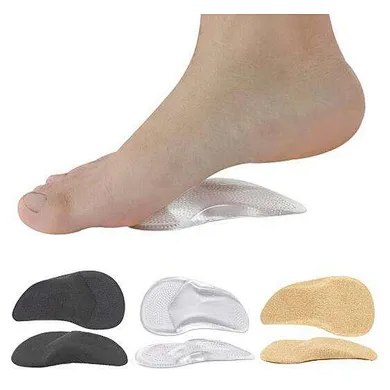
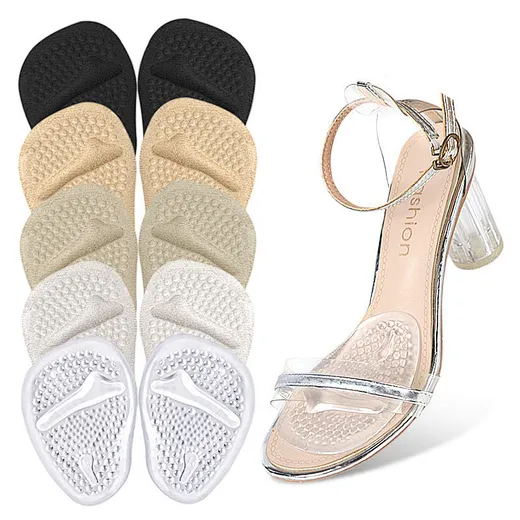
Forefoot Pads and Heel Pads: What Are Their Functions and Benefits?
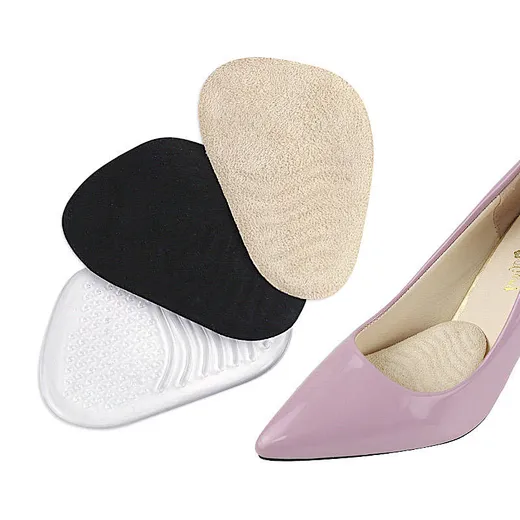
Discover relief with comfortable foot cushion pads.These soft pads provide targeted protection for pressure points, bunions, and heel discomfort. Ideal for daily wear in any footwear to reduce pain and prevent blisters, offering discreet, all-day comfort.
Forefoot Pads and Heel Pads: What Are Their Functions and Benefits?
Table of Contents
Introduction to Targeted Foot Cushioning
Foot discomfort often originates from specific high-pressure zones, primarily the forefoot (ball of the foot) and the heel. While complete shoe insoles provide general support, forefoot pads and heel pads offer localized, targeted relief. These specialized shoe insert components are engineered to address distinct biomechanical challenges, transforming footwear from a source of pain into a platform for comfort and performance.
This comprehensive guide will dissect the unique roles of forefoot and heel pads, exploring their materials, mechanisms, and the tangible benefits they deliver for various lifestyles and medical conditions.
Forefoot Pads: Functions and Design
Located under the ball of the foot and toes, the forefoot bears immense pressure during pushing-off phases of walking, running, or standing. Forefoot pads are strategically designed to mitigate issues in this area.
Primary Functions
1. Metatarsal Support and Pressure Redistribution
Forefoot pads often feature a metatarsal pad or bar—a raised, dome-shaped element positioned just behind the ball of the foot. This lifts and separates the metatarsal bones, reducing pressure on the metatarsal heads and alleviating pain from conditions like metatarsalgia and Morton's neuroma.
2. Shock Absorption at Impact Zones
During running or jumping, the forefoot absorbs significant shock. Pads made from advanced viscoelastic polymers or gel capsules dissipate this impact force, protecting joints upstream in the knees and hips.
3. Prevention of Calluses and Skin Breakdown
By cushioning bony prominences and reducing friction, these pads help prevent the formation of painful calluses and blisters, common for those who spend long hours on their feet.
Key Benefits for Users
- Alleviation of Ball-of-Foot Pain: Direct relief for sufferers of metatarsalgia.
- Enhanced Athletic Performance: Improved comfort and energy return during explosive movements.
- Improved Balance and Stability: A cushioned, level platform aids proprioception and weight distribution.
Heel Pads: Functions and Design
The heel is the first point of contact with the ground during gait, making it susceptible to high-impact forces. Heel pads are engineered as the first line of defense.
Primary Functions
1. Impact Force Dissipation
Heel pads are primarily shock absorbers. Materials like medical-grade silicone or polyurethane foam compress to cushion the calcaneus (heel bone) from the jarring force of heel strike, a major contributor to conditions like plantar fasciitis and heel spurs.
2. Heel Stabilization and Alignment
Many heel pads incorporate a deep heel cup. This surrounding wall cradles the heel fat pad, preventing lateral movement (side-to-side slippage) and promoting proper alignment of the foot and ankle.
3. Friction and Blister Reduction
A smooth, often moisture-wicking top layer on heel pads minimizes rubbing against the skin, which is crucial for preventing blisters in new or rigid footwear.
The Forefoot Gel Pad is a game-changer for anyone who spends long hours on their feet, enjoys running, or experiences ball-of-foot discomfort. It seamlessly fits into the front of your shoe, creating a resilient yet forgiving layer that alleviates pressure during push-off. Say goodbye to that burning sensation and hello to a springier, more protected toe-off.
Meanwhile, the Heel Gel Cushion is your secret weapon against the jarring impact of heel strike. It acts as a durable shock absorber in the rear of your shoe, cushioning the calcaneus (heel bone) and helping to stabilize your initial footfall. This is ideal for combating heel pain, reducing fatigue, and softening the blow from hard surfaces, whether you're walking, standing, or training.
Together, they create a complete comfort system. By strategically placing these gel pads, you can achieve a balanced feel from heel to toe. Experience how this simple addition can revitalize your footwear, making each step noticeably smoother, more comfortable, and supported. Give your feet the targeted relief they deserve!


Key Benefits for Users
- Reduction of Heel Strike Pain: Immediate relief for sharp heel pain upon waking or starting to walk.
- Protection for Sensitive Heels: Essential for diabetic patients or those with thin fat pads.
- Enhanced Gait Cycle Comfort: Smoothens the transition from heel strike to mid-stance, reducing fatigue.
Direct Comparison: Forefoot vs. Heel Pads
| Feature | Forefoot Pads | Heel Pads |
|---|---|---|
| Primary Target | Ball of the foot, metatarsal heads | Heel bone (calcaneus) |
| Main Function | Pressure redistribution, metatarsal support | Shock absorption, heel stabilization |
| Common Conditions Addressed | Metatarsalgia, Morton's Neuroma, calluses | Plantar Fasciitis, Heel Spurs, Achilles Tendonitis |
| Typical Material | Gel, foam with metatarsal dome | Silicone, foam with deep heel cup |
| Key Biomechanical Action | Lifts and separates metatarsals | Cradles and cushions heel strike |
Integrated Insole Solutions
While standalone pads are excellent for targeted issues, many modern orthotic insoles combine both forefoot and heel padding with full-length arch support. This holistic approach ensures:
- Seamless Pressure Transition: From heel strike through forefoot push-off.
- Whole-Foot Biomechanical Correction: Addressing issues at the source rather than just symptoms.
- Versatility: One product can prevent multiple problems, ideal for active individuals or those with undefined pain origins.
Expert View: The Biomechanics of Targeted Padding
Dr. Anya Sharma, a board-certified podiatrist and biomechanics researcher, emphasizes their importance:
"The human foot is not a monolithic structure; it's a complex assembly of 26 bones and numerous joints. Treating foot pain often requires a targeted, zone-specific approach. A well-designed forefoot pad works by offloading the pressure peaks under the metatarsal heads, which can instantly relieve neuroma pain. Conversely, a heel pad with a good cup doesn't just cushion—it centralizes the heel fat pad, our body's natural shock absorber, making it more effective. In my practice, I often recommend these pads as a first-line, non-invasive intervention before considering more drastic measures."
Dr. Sharma further notes that the selection between a pad and a full insole depends on the patient's gait analysis and pressure mapping results.
Frequently Asked Questions (FAQs)
1. Can I use both a forefoot pad and a heel pad in the same shoe?
Absolutely. In fact, this combination is highly effective for all-around foot comfort. Ensure they do not overlap uncomfortably and that your shoe has enough volume to accommodate both without crowding your foot.
2. How do I know if I need a forefoot pad or a heel pad?
Identify where your pain is most acute.
- Pain in the ball of your foot, especially when wearing high heels or during push-off: Likely need a forefoot pad.
- Sharp pain in your heel with the first steps in the morning or after rest: Likely need a heel pad.
3. Are these pads visible or bulky in shoes?
Modern designs are remarkably slim and discreet. Most are made from thin, high-tech materials that provide significant cushioning without adding noticeable bulk, fitting seamlessly into dress shoes, athletic footwear, and boots.
4. How long do forefoot and heel pads typically last?
Lifespan varies by material and use:
- Gel/Silicone pads: 6-12 months with daily use.
- High-density foam pads: 3-6 months for active users.
5. Can these pads help with conditions like plantar fasciitis or bunions?
For plantar fasciitis: Heel pads are a core part of conservative treatment, providing cushioning to reduce strain on the inflamed fascia.
For bunions: While not a direct corrector, a forefoot pad can help redistribute pressure away from the painful bunion joint (at the big toe) and provide a more comfortable environment, often used in conjunction with toe spacers.
Conclusion
Forefoot pads and heel pads are far more than simple pieces of foam; they are precision-engineered biomechanical tools. By understanding their distinct functions—the forefoot pad as a pressure redistributor and the heel pad as an impact-absorbing stabilizer—we can make informed choices to combat foot pain at its source.
Whether you are an athlete seeking performance gains, a professional enduring long workdays on your feet, or someone managing a specific foot condition, integrating these targeted solutions can lead to profound improvements in comfort, mobility, and overall quality of life. For persistent or severe pain, always consult a podiatrist or medical professional to develop a comprehensive treatment plan tailored to your unique biomechanics.


Toe Separators: Benefits, Uses, and How They Improve Foot Health
Toe Separators: What Are They and When Should You Use Them?