Toe Separators: What Are They and When Should You Use Them?
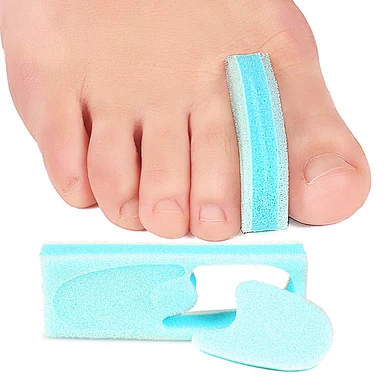
Relieve discomfort with soft foam toe separators. Designed to gently align toes, reduce pressure, and prevent overlapping. Ideal for post-bunion surgery recovery, daily comfort, or wearing with sandals. Promotes natural toe spacing for healthier feet.
Toe Separators: What Are They and When Should You Use Them?
Table of Contents
- What Are Toe Separators?
- How Do Toe Separators Work?
- Primary Uses and Benefits
- Synergy with Orthotic Insoles
- When Should You Use Toe Separators?
- Expert Insights on Toe Alignment
- Frequently Asked Questions
- Conclusion
What Are Toe Separators?
Toe separators, also known as toe spacers, are simple yet effective orthopedic devices designed to be placed between the toes. Typically made from soft, flexible materials like medical-grade silicone, gel, or foam, they create gentle space between each toe. Their primary function is to restore and maintain natural toe alignment, which can become compromised due to footwear, lifestyle, or genetic factors.
While they appear as standalone tools, toe separators are often part of a comprehensive foot care regimen that includes supportive footwear and specialized insoles. The latter provides arch support and cushioning, while toe separators address forefoot alignment. Together, they work to correct biomechanical imbalances, relieve pressure points, and prevent the progression of common foot deformities.
How Do Toe Separators Work?
Toe separators work on a principle of gentle, consistent mechanical correction. Over time, wearing narrow shoes can cause toes to crowd together, leading to overlapping, underlapping, or other misalignments. By inserting a physical barrier between the toes, these devices apply a low-grade, sustained force that encourages the toes to return to their anatomically correct, splayed position.
Mechanism of Action
The mechanism involves two key processes: passive realignment and muscular re-education. Initially, the separator physically holds the toes apart, stretching soft tissues and reducing tension in tight ligaments. With prolonged use, this helps retrain the small intrinsic muscles of the foot to maintain better alignment independently. This process can improve toe splay, which is crucial for balance, stability, and proper weight distribution during walking and standing.
Key Design Features
- Material Flexibility: Soft, hypoallergenic materials ensure comfort during extended wear.
- Anatomical Shape: Contoured to fit the natural curves between toes without causing pressure points.
- Variable Sizing: Available in different sizes and configurations to target specific toes or provide full-foot separation.
Primary Uses and Benefits
Toe separators serve both therapeutic and preventive purposes. They are not a quick fix but a tool for gradual improvement and maintenance of foot health.
Corrective and Therapeutic Uses
- Bunion Prevention and Management: By keeping the big toe aligned, they can help slow the progression of a bunion (hallux valgus) and reduce associated pain.
- Hammertoe Relief: They help straighten contracted toes, alleviating pressure on the joints and tops of the toes that rub against shoes.
- Treatment of Tailor's Bunion: Separators can also be used to address a bunion on the pinky toe (bunionette).
- Post-Surgical Recovery: Often recommended after foot surgery to maintain alignment during healing and prevent scar tissue from forming in a contracted position.
General Foot Health and Comfort Benefits
- Improved Balance and Proprioception: A wider toe splay creates a more stable base of support, enhancing balance.
- Reduced Friction: Prevents skin-on-skin rubbing between toes, thereby lowering the risk of blisters, corns, and calluses.
- Enhanced Circulation: Gentle separation can improve blood flow to the forefoot area.
- Foot Relaxation: They can help relieve cramping and general fatigue in the feet after long periods of standing or wearing restrictive shoes.
Toe separators are a simple yet highly effective tool that go far beyond just pedicure prep. They gently realign your toes to their natural, healthy position, which can relieve pressure and improve overall foot alignment over time. Additionally, they offer protective cushioning on both sides, safeguarding your big and little toes from painful friction and rubbing against footwear. Whether you're applying nail polish, trimming nails, or treating your feet to some care, toe separators provide the perfect spacing for a safer, more precise, and comfortable grooming experience. Consider them an essential for both foot health and beauty routines.


Synergy with Orthotic Insoles
For holistic foot care, toe separators are most effective when used in conjunction with high-quality orthotic insoles. While separators focus on the horizontal plane (toe alignment), insoles address issues in the vertical and longitudinal planes (arch support, heel positioning, and pressure distribution).
How They Complement Each Other
An orthotic insole with proper arch support stabilizes the heel and midfoot, preventing excessive inward rolling (pronation) that can contribute to toe deformities. When the rearfoot and midfoot are stabilized, the forefoot has a better foundation for the toe separators to work effectively. The combination ensures a comprehensive approach: the insole corrects the root cause of abnormal gait mechanics, while the separators address the resulting toe misalignment.
For example, someone with flat feet and overlapping toes would benefit from a supportive insole to restore the arch and a toe separator to gently correct the toe position. This dual approach yields better long-term results than using either product alone.
When Should You Use Toe Separators?
Timing and consistency are key to experiencing the benefits of toe separators. They are not meant for constant, 24/7 wear but rather for targeted use during specific activities or rest periods.
Ideal Usage Scenarios
1. During Rest and Relaxation
The best time to start is when your feet are at rest. Wearing separators while reading, watching TV, or sleeping allows your feet to relax into the correct position without the added stress of body weight or restrictive shoes. Begin with 15-30 minutes per day and gradually increase the duration as comfort allows.
2. As a Pre- and Post-Activity Tool
Individuals can wear them for a period before and after athletic activities, especially those involving running or jumping. This can help stretch and prepare the forefoot, as well as aid in recovery.
3. In Conjunction with Foot Exercises
Use them while performing toe mobility exercises, such as toe spreads and grips, to enhance the range of motion and strengthen intrinsic foot muscles.
When to Avoid or Use with Caution
- Open Wounds or Infections: Do not use if you have cuts, sores, or fungal infections between the toes.
- Severe Circulatory Issues: Consult a doctor before use if you have conditions like severe diabetes or peripheral artery disease.
- Acute Inflammation: Avoid during a gout flare-up or other acutely painful inflammatory conditions in the toes.
Expert Insights on Toe Alignment
Dr. Anya Sharma, a podiatrist specializing in biomechanics, emphasizes the importance of early intervention. "The human foot is designed with a natural splay for optimal weight distribution and propulsion. Modern footwear has profoundly altered this architecture. Toe separators are a low-cost, non-invasive tool to help counteract that. They are particularly valuable when combined with a foot-strengthening program and proper footwear with a wide toe box. Think of them not as a cure, but as a critical component of daily foot hygiene and maintenance, much like brushing your teeth."
Dr. Sharma further notes, "For patients with early-stage bunions or overlapping toes, I often recommend starting with 20-30 minutes of daily separator use while at home, paired with custom or over-the-counter insoles that control excessive pronation. This combination addresses both the symptom and a common underlying cause."
Frequently Asked Questions
1. How long does it take to see results from toe separators?
Results vary based on the severity of the condition and consistency of use. Some individuals feel immediate relief from friction, while structural changes like improved toe alignment may take several weeks to months of regular, daily use.
2. Can I wear toe separators inside my shoes all day?
While possible with very thin, flexible separators, it is generally not recommended for long periods in tight shoes, as it can create new pressure points. They are best used during barefoot time or with very spacious footwear. For all-day support inside shoes, specialized padded toe crests or socks with separators might be a better option.
3. Are toe separators and bunion correctors the same thing?
Not exactly. A basic toe separator creates space between all toes. A bunion corrector is often a more complex device that may include a separator, a strap to pull the big toe inward, and sometimes a splint. Separators are a component of bunion care but may not provide enough corrective force for an advanced bunion on their own.
4. Do they help with neuromas or ball-of-foot pain?
They can provide auxiliary relief. A neuroma (pinched nerve) often occurs between the third and fourth toes. Separators can help decompress the area. For ball-of-foot pain (metatarsalgia), they work alongside metatarsal pads (often found in insoles) by helping to properly space the metatarsal bones.
5. How do I clean my toe separators?
Most silicone or gel separators can be washed with mild soap and warm water. Allow them to air dry completely before reuse to prevent moisture buildup.
Conclusion
Toe separators are a simple, accessible tool with significant potential to improve foot health, comfort, and function. By promoting natural toe alignment, they can alleviate pain from common conditions like bunions and hammertoes, prevent friction-related issues, and enhance overall foot stability. Their effectiveness is maximized when integrated into a broader foot care strategy that includes appropriate footwear, targeted exercises, and supportive orthotic insoles. For anyone experiencing forefoot discomfort or seeking to correct the long-term effects of restrictive shoes, toe separators offer a gentle, non-invasive starting point on the path to healthier feet. As with any orthopedic device, consulting with a podiatrist or foot specialist can help tailor their use to your specific needs for optimal results.


Forefoot Pads and Heel Pads: What Are Their Functions and Benefits?
Bunion Correctors: What They Can and Can’t Do for You