What Is EVA Material? The Versatile Foam Revolutionizing Products
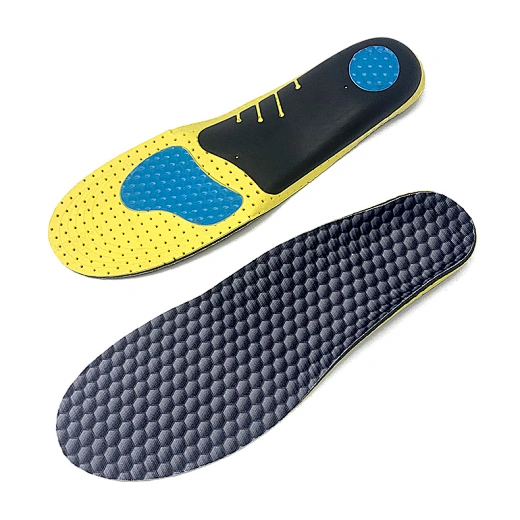
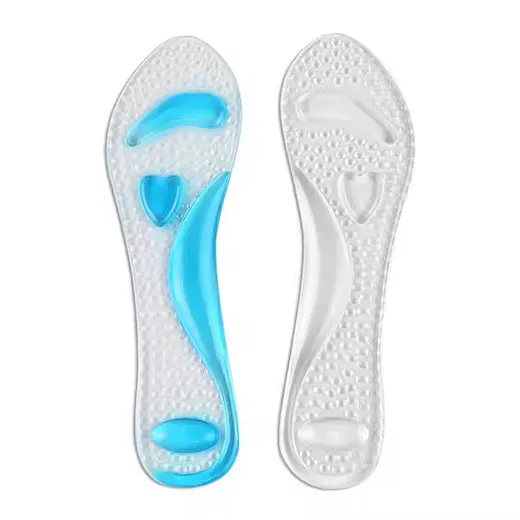
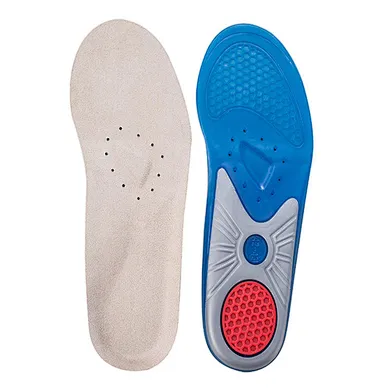
Upgrade your footwear with EVA material insoles for superior cushioning and support. These shock-absorbing shoe inserts provide all-day comfort, reduce foot fatigue, and offer excellent arch support. Perfect for running, work, or daily wear. Experience the breathable, flexible benefits of high-quality EVA foam!
What Is EVA Material? The Versatile Foam Revolutionizing Products
Introduction to EVA Material
EVA (Ethylene-Vinyl Acetate) is a closed-cell foam material that has become indispensable across industries. This copolymer plastic combines ethylene and vinyl acetate to create a uniquely adaptable material with properties between rubber and plastic.
Key Characteristics of EVA Material
EVA stands out for its exceptional combination of:
- Lightweight cushioning with excellent shock absorption
- Water resistance and buoyancy
- Flexibility at low temperatures (-70°F to 170°F range)
- Durability against UV radiation and chemicals
- Non-toxic and odorless composition
How EVA Compares to Other Materials
vs. PVC
EVA is softer, more flexible, and doesn't require plasticizers that can leach out.
vs. Rubber
EVA offers lighter weight and better color retention while maintaining similar elasticity.
vs. PU Foam
EVA provides superior moisture resistance and doesn't break down as quickly.
Primary Applications of EVA Material
1. Footwear Industry
EVA revolutionized shoe manufacturing by providing:
- Midsole cushioning in athletic shoes
- Lightweight sandals and flip-flops
- Orthopedic shoe inserts


2. Sports Equipment
Used in:
- Yoga mats with optimal grip and cushioning
- Protective gear padding
- Swim kickboards
3. Medical Applications
Ideal for:
- Orthotic devices
- Prosthetic liners
- Medical packaging
4. Packaging Solutions
Preferred for:
- Electronics packaging with shock absorption
- Pharmaceutical protection
- Custom foam inserts
Manufacturing Process of EVA
EVA is produced through:
- Polymerization of ethylene and vinyl acetate
- Foaming using chemical or physical blowing agents
- Molding into sheets, blocks, or custom shapes
Customization Options
- Density variations from 30kg/m³ to 250kg/m³
- Color pigments for branding
- Surface textures (smooth, embossed, perforated)
Environmental Impact and Sustainability
While EVA isn't biodegradable, it offers environmental advantages:
- Recyclable through specialized programs
- Longer product lifespan reduces replacement frequency
- Some manufacturers offer bio-based EVA alternatives
Proper Disposal Methods
- Check local recycling facilities for EVA acceptance
- Repurpose for craft or DIY projects
- Donate usable EVA products
Future Innovations in EVA Technology
Emerging developments include:
- Self-healing EVA formulations
- Enhanced temperature resistance variants
- Improved breathability for footwear applications
Conclusion: Why EVA Dominates Multiple Industries
EVA material has earned its popularity through an unmatched combination of versatility, durability, and comfort. From the shoes on your feet to the packaging protecting your electronics, EVA's unique properties continue to make it a material of choice for manufacturers worldwide. As technology advances, we can expect even more innovative applications of this remarkable foam material.


PU vs. TPU Material in Shoe Insoles: The Ultimate Performance Guide