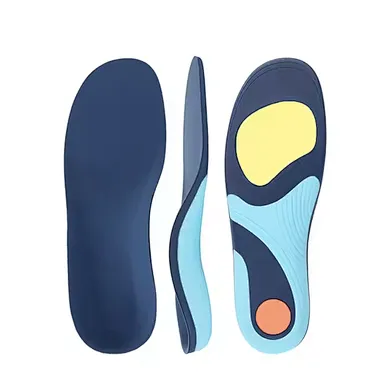
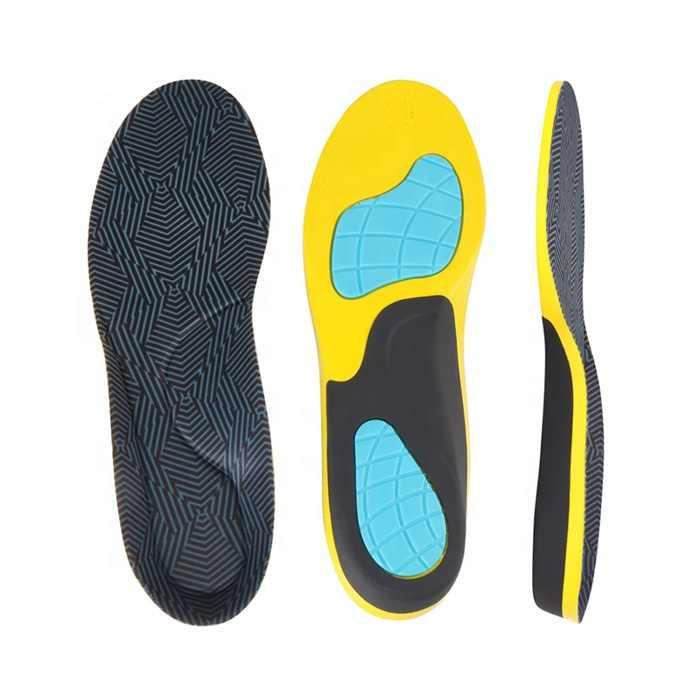
Best Insoles for Work Boots: Engineer Comfort for Demanding Jobs
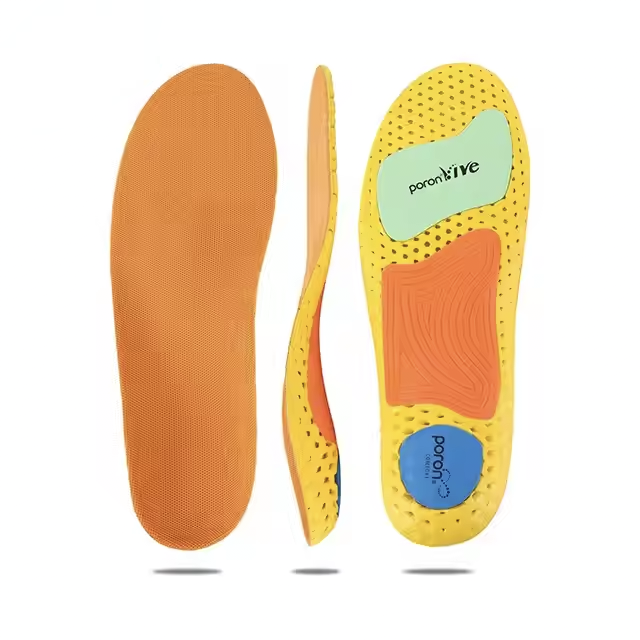
Stay comfortable on long shifts with the best insoles for work boots! Our rugged orthotics provide arch support, shock absorption & all-day cushioning for construction, farming & outdoor jobs. Reduce foot fatigue & prevent pain.
Best Insoles for Work Boots: Engineer Comfort for Demanding Jobs
Table of Contents
- Why Work Boot Insoles Matter
- Key Features of Premium Work Boot Insoles
- Top 5 Insoles for Different Work Environments
- Matching Insoles to Your Foot Type
- Professional Installation Guide
- Expert Advice for Long-Term Foot Health
- FAQs About Work Boot Insoles
- Conclusion
Why Work Boot Insoles Matter: Beyond Basic Comfort
Construction crews, warehouse operators, and tradespeople spend 8-12 hours daily on unforgiving surfaces. Standard work boot insoles degrade within months, leading to:
- Chronic foot fatigue from inadequate shock absorption
- Plantar fasciitis due to poor arch support
- Joint strain from misalignment during heavy lifting
Premium insoles transform boots into ergonomic tools that prevent career-limiting injuries while boosting productivity.
Key Features of Premium Work Boot Insoles
1. Advanced Shock Absorption Systems
Look for multi-layer constructions combining:
- High-density EVA foam for long-term resilience
- Viscoelastic gel pods under heels/metatarsals
- Cork midsoles that mold to foot contours over time
2. Medical-Grade Support Structures
Arch Support Systems
- Semi-rigid polypropylene for moderate overpronation
- Carbon fiber reinforcement for severe flat feet
Heel Stabilization
Deep heel cups with 25-30mm walls prevent lateral slippage during ladder climbs or uneven terrain navigation.
3. Industrial-Grade Durability
Top insoles withstand 1,000+ hours of use through:
- Moisture-wicking top layers (e.g., CoolMax® fabric)
- Antimicrobial treatments preventing bacterial growth
- Reinforced edges resisting delamination
Top 5 Insoles for Different Work Environments
1. Best for Construction: Superfeet GREEN
Key Features:
- High-impact foam + rigid stabilizer cap
- Deep heel cup (28mm) for scaffolding work
- Moisture-control coating reduces sweat by 40%
Testimonial: "After installing GREENs, my concrete-induced shin splints disappeared in 2 weeks." - Mike R., Site Foreman
2. Best for Electricians: Timberland PRO Anti-Fatigue
Key Features:
- Proprietary rebound foam recovers shape after 12hr shifts
- Non-conductive materials meet ASTM F2413-11 EH standards
- Slim profile fits in narrow boots
3. Best for Cold Storage: Dr. Scholl's Heavy Duty Thermal
Key Features:
- Closed-cell foam insulates down to -40°F
- Ripple cushioning prevents slips on icy floors
- Quick-dry lining resists frost buildup
4. Best for Flat Feet: Powerstep Pinnacle Maxx
Key Features:
- Dual-layer arch (semi-rigid + foam)
- Extended medial posting controls overpronation
- 5mm gel heel pad absorbs landing impact
5. Best for Hot Environments: Sof Sole AIRR Orthotic
Key Features:
- Perforated airflow channels reduce temperature by 15°F
- Charcoal-infused fabric neutralizes odor
- Arch booster accommodates custom orthotics
Matching Insoles to Your Foot Type
Diagnosing Your Needs
Wet Test Method:
1. Wet feet and stand on cardboard
2. Analyze footprint:
- Flat feet: Full foot imprint → rigid arch support
- High arches: Narrow band connecting heel/toe → cushioned support
- Neutral: Distinct curve along arch → balanced systems
Weight Considerations
| Weight Range | Recommended Thickness | Material Type |
|---|---|---|
| < 180 lbs | 3-5mm | Memory foam/gel hybrids |
| 180-250 lbs | 5-7mm | Dual-density EVA |
| > 250 lbs | 7mm+ | Reinforced orthotics |
Professional Installation Guide
Step-by-Step Replacement
Tools needed: Scissors, rubbing alcohol, hairdryer
- Remove factory insoles → clean boot interior with alcohol
- Trace original insoles onto new pair
- Cut carefully along lines using sharp scissors
- Heat with hairdryer for 30 seconds to improve flexibility
- Insert → walk 10 minutes to activate adhesive
Pro Tip:
For custom orthotics: Place under factory insoles if boots lack removable footbeds. Trim only if manufacturer permits.
Expert Advice for Long-Term Foot Health
Dr. Aaron Jacobs, OSHA-certified industrial podiatrist:
"I've treated hundreds of tradespeople with preventable foot injuries. The three key elements to injury prevention are:
1. Job-specific insoles (replace every 8 months)
2. Moisture-wicking socks (preferably merino wool)
3. 5-minute daily foot exercises (towel rolling, arch lifts)Neglecting any of these can lead to chronic pain and even career-ending injuries."
Maintenance Schedule
- Daily: Remove insoles → air dry overnight
- Weekly: Hand wash with mild soap → air dry vertically
- Monthly: Inspect for compression/thinning
FAQs About Work Boot Insoles
1. Can insoles make my safety boots non-compliant?
Rarely. Most retain ASTM/ISO certifications when properly installed. Verify with manufacturer if using:
- Metatarsal guards
- Electrical hazard protection
- Static-dissipative systems
2. Why do my feet hurt more after installing new insoles?
Breaking-in period: Expect 3-7 days of mild discomfort as feet adjust to proper alignment. Persistent pain indicates incorrect arch height or type.
3. Are $100+ orthotics worth it for work boots?
For workers with:
- Prior foot surgeries
- Diagnosed conditions (diabetes, arthritis)
- 300+ lbs carry loads
Custom orthotics provide ROI through reduced medical bills and missed work days.
4. Can insoles extend boot lifespan?
Yes! By absorbing impact that degrades midsoles, quality insoles add 6-12 months to boot longevity.
Conclusion
The best insoles for work boots are thoughtfully designed solutions, not luxury accessories. From the industrial-strength stabilizers of Superfeet to the electrical safety designs of Timberland PRO, high-quality insoles transform boots into injury prevention tools. Remember: your feet are your foundation—investing in professional-grade support can protect your health and your life. Consult a professional occupational medicine podiatrist to select the right insoles for your specific work needs and biomechanics.


Boot Insoles: Transform Your Footwear with Advanced Support Technology
Foot Pads for Shoes: Unlock Comfort and Prevent Pain with the Right Insoles