Bunion Correctors: What They Can and Can’t Do for You

Curious if do bunion correctors work? They can provide relief and gentle alignment for mild to moderate bunions when used consistently. While not a surgical cure, correctors may help reduce pain and slow progression.
Bunion Correctors: What They Can and Can’t Do for You
Table of Contents
- Understanding Bunions: The Root of the Problem
- What Are Bunion Correctors and How Do They Work?
- What Bunion Correctors CAN Do for You
- What Bunion Correctors CANNOT Do for You
- The Specific Role of Corrective Insoles and Shoe Inserts
- Expert View: A Balanced Perspective
- Frequently Asked Questions (FAQs)
- Conclusion: Managing Expectations and Foot Health
Understanding Bunions: The Root of the Problem
A bunion, medically known as hallux valgus, is a bony bump that forms on the joint at the base of the big toe. It develops when the big toe pushes against the next toe, forcing the joint to stick out. This progressive deformity can cause significant pain, swelling, redness, and difficulty wearing shoes. While genetics play a key role, footwear choices and certain foot types can accelerate their development.
The Anatomy of a Bunion
It's not simply an extra bone growth. A bunion involves a complex misalignment of the metatarsophalangeal (MTP) joint. The long bone of the foot (metatarsal) shifts inward, while the big toe angles outward toward the other toes.
What Are Bunion Correctors and How Do They Work?
Bunion correctors is a broad term for non-surgical devices designed to address bunion discomfort and progression. They primarily fall into two categories:
- Splints and Night Braces: Rigid or semi-rigid devices worn, often overnight, to passively stretch soft tissues and gently realign the toe.
- Corrective Insoles and Shoe Inserts: Worn inside shoes during the day to address the biomechanical causes of bunions.
This article will focus significantly on the latter, exploring how shoe inserts serve as a foundational tool in bunion management.
What Bunion Correctors CAN Do for You
When used appropriately and with realistic expectations, bunion correctors offer several tangible benefits.
Alleviate Pain and Discomfort
By cushioning the prominent bony bump and reducing friction against the shoe, correctors provide immediate symptomatic relief. Gel pads and protective sleeves are excellent for this.
Provide Biomechanical Support
This is where functional orthotic insoles excel. They are designed to correct the underlying foot mechanics that contribute to bunion formation.
Key Mechanisms of Supportive Insoles:
- Arch Support: Proper arch support prevents the foot from overpronating (rolling inward), a motion that strains the big toe joint.
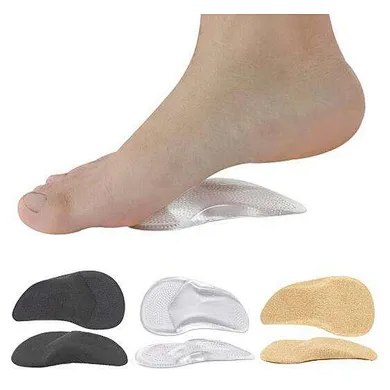
- Metatarsal Pad: A raised pad behind the ball of the foot helps to evenly distribute pressure, taking stress off the first metatarsal.
- Heel Cup: Stabilizes the hindfoot, creating a stable foundation that prevents the chain reaction leading to toe misalignment.
Bunion Corrector Insole: Gently and effectively address the discomfort of hallux valgus. This innovative insole features a strategic design that helps realign the big toe, relieving pressure on the joint. It works to correct posture gradually while providing immediate relief from pain during walking or standing, making it an ideal, non-invasive support for everyday wear.
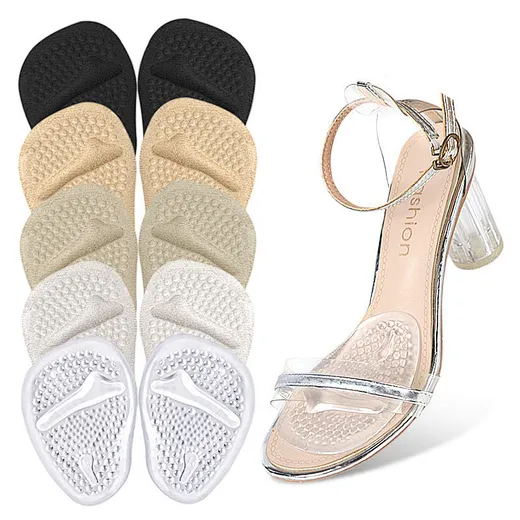
SEBS Metatarsal Pad: Experience targeted relief for ball-of-foot pain (metatarsalgia). Crafted from soft yet resilient SEBS gel, this pad excels in shock absorption and pressure redistribution. Placed precisely under the metatarsal heads, it cushions impact, alleviates discomfort from conditions like Morton's neuroma, and helps prevent callus formation, allowing for a smoother, more comfortable stride.
Multi-Material Corrective Insoles: Our customizable foundation for overall foot health. These insoles combine the best properties of advanced materials: EVA for lightweight cushioning and stability, TPU for firm, durable arch support and motion control, and Gel for superior shock absorption in high-impact zones. This synergistic design provides comprehensive support to correct overpronation or supination, improve alignment from the feet up, and enhance comfort for all-day activities.
Together, these solutions form a complete foot care ecosystem. Whether you're seeking targeted correction, focused pain relief, or full-foot structural support, we have the insole to help you walk a healthier, happier path.


Slow Down Progression
While they may not reverse an established bony deformity, consistent use of corrective devices, especially insoles that improve alignment, can help slow the progression of the bunion in its early to moderate stages.
Improve Comfort in Footwear
Corrective insoles can make wearing shoes more comfortable by creating a better fit and reducing pressure points, allowing individuals to stay active with less pain.
What Bunion Correctors CANNOT Do for You
It is crucial to understand the limitations of non-surgical treatments to avoid disappointment and ensure proper care.
Permanently Reverse Bony Deformity
Once the bone has shifted and a prominent bump has formed, no splint, sleeve, or insole can permanently reshape the bone or realign the joint to its original, perfect anatomy. The change is structural.
Replace Surgery in Advanced Cases
For severe bunions causing constant pain, significant joint stiffness, or major difficulty with footwear, bunion correction surgery (bunionectomy) is the only definitive solution. Correctors in these cases are purely palliative.
Work Instantaneously or Without Consistency
Benefits are accrued over time with regular use. Wearing a splint occasionally or using insoles inconsistently will yield minimal to no results.
The Specific Role of Corrective Insoles and Shoe Inserts
As a daytime, active-wear solution, insoles are a cornerstone of conservative bunion care. Their primary purpose is not to forcibly push the toe straight but to create an environment where the foot functions optimally, reducing the destructive forces that worsen the bunion.
How They Differ from Generic Insoles
Unlike simple cushioning insoles, corrective or orthotic insoles are designed with specific medial arch support and biomechanical features. They are often labeled for overpronation or medial support.
Choosing the Right Insole:
- Look for a firm, supportive arch that matches your arch height.
- Ensure it has a deep heel cup for stability.
- Consider insoles with a metatarsal dome or pad.
- Trim-to-fit versions allow customization for different shoe types.
Expert View: A Balanced Perspective
Dr. Anya Sharma, a podiatrist and fellow of the American College of Foot and Ankle Surgeons, offers this insight:
"Bunion correctors, particularly well-designed orthotic insoles, are invaluable tools in the non-surgical management of hallux valgus. Their greatest strength lies in their ability to modify foot function. By controlling excessive pronation and improving alignment from the ground up, they can effectively reduce symptoms and delay progression. However, patients must understand they are a management strategy, not a cure. For a painful, rigid bunion in an active person, surgery may ultimately be the most appropriate intervention to restore function. The decision is always individualized."
Dr. Sharma emphasizes a comprehensive approach: combining supportive insoles with appropriate footwear (wide toe box, low heel), toe exercises, and anti-inflammatory measures.
Frequently Asked Questions (FAQs)
Can bunion correctors straighten my toe back to normal?
In adults, they cannot permanently reverse the bony change. They can help improve alignment of soft tissues and may provide a straighter appearance when worn, but the underlying bone deformity remains.
How long do I need to wear bunion correctors to see results?
Pain relief from cushioning can be immediate. Slowing progression with functional insoles requires consistent, daily use over many months. Night splints often require several months of regular use to potentially see mild flexibility improvements.
Are over-the-counter insoles effective, or do I need custom orthotics?
Many high-quality over-the-counter orthotics with firm arch support are very effective for early-stage bunions. Custom orthotics, prescribed by a podiatrist, are typically reserved for complex foot structures, severe pain, or when OTC options fail.
Can I wear bunion corrector insoles in all my shoes?
You should wear them in any closed-toe shoe you use for extended walking or standing. They may not fit in very narrow or fashionable shoes, which highlights the importance of choosing footwear that accommodates both your foot and the insole.
What is the first step I should take if I think I'm developing a bunion?
First, transition to footwear with a wide toe box and good support. Second, consider using an over-the-counter supportive insole. Third, if pain persists or the deformity worsens, schedule an evaluation with a podiatrist for a definitive diagnosis and personalized treatment plan.
Conclusion: Managing Expectations and Foot Health
Bunion correctors, especially biomechanically designed shoe inserts and orthotic insoles, play a significant and positive role in managing bunion-related pain and dysfunction. They are powerful for symptom relief, improving comfort, and, most importantly, slowing the progression of the deformity by addressing faulty foot mechanics.
However, they are not a miracle cure. They cannot erase a bony protrusion or replace necessary surgery in advanced cases. The most successful outcomes arise from combining these devices with proper footwear, exercises, and professional guidance. By understanding both the capabilities and limitations of bunion correctors, you can make informed decisions and take proactive, effective steps toward maintaining your foot health and mobility for years to come.


Toe Separators: What Are They and When Should You Use Them?
What Are Foot Care Products For?Complete Guide to Uses of Toe Separators, Bunion Correctors, Pads, Insoles & More