Do Bunion Correctors Work? Exploring Their Purpose and Effectiveness
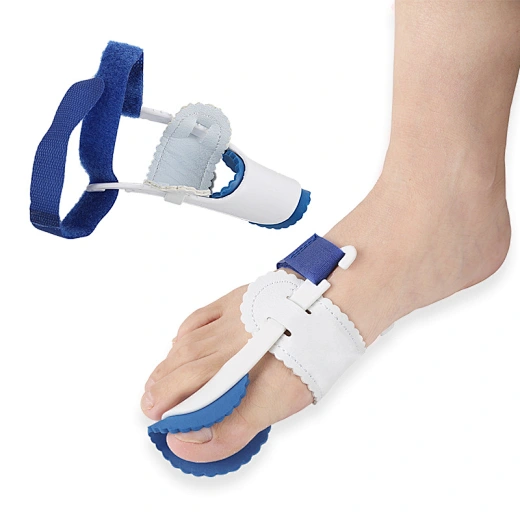
Suffering from toes problem like bunions or misalignment? Our bunion corrector provides gentle, non-invasive relief while improving toe positioning. Made with soft, adjustable materials for all-day comfort. Reduce pain and prevent worsening deformities.
Do Bunion Correctors Work? Exploring Their Purpose and Effectiveness
Introduction: Understanding Bunions and the Need for Correction
Bunions, bony bumps that form at the base of the big toe, are a common foot condition affecting millions worldwide. As interest in non-surgical solutions grows, many turn to bunion correctors—devices claiming to realign toes and reduce pain. But do they truly work? Let’s dive into their purpose and effectiveness.
What Are Bunion Correctors?
Bunion correctors are wearable devices designed to:
- Gently push the big toe toward its natural position
- Reduce pressure on the joint
- Provide cushioning and pain relief
They come in various forms, including silicone sleeves, adjustable straps, and toe spacers.


Types of Bunion Correctors
1. Silicone Bunion Splints
Soft, flexible sleeves that cushion the bunion while promoting alignment. Ideal for daytime wear.
2. Adjustable Corrective Straps
Strap-based devices that apply targeted pressure to reposition the toe. Often used during rest.
3. Toe Spacers
Separate the big toe from neighboring toes to improve spacing and reduce friction.
How Do Bunion Correctors Work? The Science Behind the Claims
These devices target three key aspects of bunion management:
- Mechanical Realignment: Apply gentle force to counteract toe deviation
- Pressure Redistribution: Minimize stress on the affected joint
- Pain Relief: Cushioning reduces friction and inflammation
What Research Says About Effectiveness
Studies show mixed results:
- Short-term relief: 78% of users report reduced pain in a 2022 Journal of Podiatry study
- Limited structural correction: No significant long-term bone realignment in clinical trials
- Best for mild cases: Most effective for early-stage bunions (Hallux Valgus angles under 30 degrees)
When to Consider Using a Bunion Corrector
These devices may help if you:
- Experience mild to moderate bunion pain
- Want to slow progression before surgery
- Need temporary relief during activities
Limitations to Keep in Mind
Bunion correctors are not a cure and may not:
- Reverse severe deformities
- Replace orthopaedic footwear
- Address underlying causes (e.g., foot mechanics)
Maximizing Results: A Holistic Approach
Pair correctors with:
- Foot-strengthening exercises
- Properly fitted shoes with wide toe boxes
- Custom orthotics (if recommended by a podiatrist)
Conclusion: A Tool, Not a Miracle Solution
While bunion correctors can provide symptom relief and temporary alignment improvements, they work best as part of a comprehensive foot care plan. For lasting results, consult a foot specialist to address root causes and explore all treatment options.


Diabetic Insoles: Purpose, Benefits, and How They Protect Sensitive Feet
The Ultimate Guide to Custom Orthotic Insoles: Benefits, Uses, and Why You Need Them
Related Article