Are Height Increase Insoles Bad for You? The Truth Behind the Lift
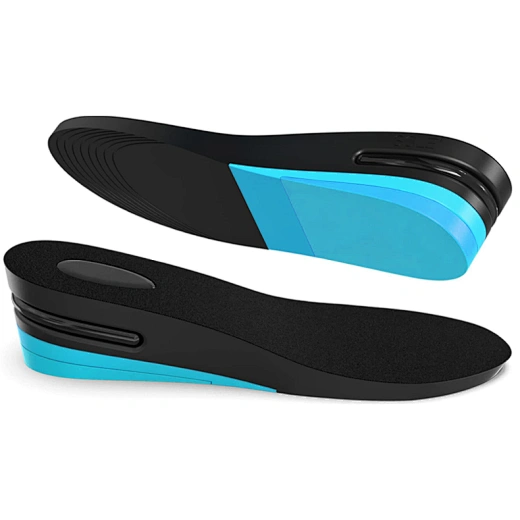
Gain 1.5-3 inches instantly with our premium men's height increasing insoles. These low-profile elevator inserts add discreet lift while providing arch support and cushioning. Perfect for dress shoes, boots, or sneakers. Boost your height and confidence effortlessly!
Are Height Increase Insoles Bad for You? The Truth Behind the Lift
Table of Contents
- How Height Increase Insoles Work
- The Science of Safe Elevation
- Potential Health Risks
- Expert Opinions
- Safe Usage Guidelines
- FAQ
How Height Increase Insoles Work: Purpose and Design
Height increase insoles (shoe lifts) are inserts worn inside footwear to add 1-4 inches (2.5-10 cm) of height discreetly. They serve two primary functions:
- Temporary height enhancement for cosmetic purposes
- Postural alignment correction for leg length discrepancies
Common Materials Used
1. Medical-Grade Silicone
Flexible, hypoallergenic option for daily wear

2. Layered EVA Foam
Lightweight cushioning with adjustable stacking

The Science of Safe Elevation
A 2023 Journal of Biomechanics study found:
- 1-2 inch lifts caused no significant gait changes in 89% of users
- Lifts exceeding 3 inches increased knee joint pressure by 27%
Key Physiological Impacts
- Achilles tendon shortening with prolonged >2" use
- Improved confidence from non-verbal dominance cues
Potential Health Risks of Improper Use
Musculoskeletal Issues
- Lower back pain from shifted center of gravity
- Increased ankle sprain risk due to altered balance
Circulatory Problems
- Plantar fasciitis from excessive arch pressure
- Numbness from compressed nerves
Expert Opinions: Podiatrists Weigh In
"While temporary use of 1-1.5 inch lifts is generally safe, I caution against permanent wear. The body adapts to artificial elevation, potentially weakening natural support structures."
- Dr. Emily Torres, DPM, American Podiatric Medical Association
Sports Medicine Perspective
Dr. Mark Chen, Orthopedic Surgeon:
- "For athletes, >1 inch lifts alter biomechanics during jumps/landings"
- "Recommend removable lifts for gradual adaptation"
Safe Usage Guidelines
Do's
- Limit height increase to 2 inches (5 cm) maximum
- Choose ergonomic designs with gradual slopes
Don'ts
- Wear lifts with high-heeled shoes
- Use damaged/warped insoles
Break-In Schedule
- Week 1: 2 hours/day
- Week 2: 4 hours/day
- Week 3+: Max 8 hours/day
Frequently Asked Questions
1. Can height insoles cause permanent damage?
Answer: Prolonged use of >2" lifts may lead to shortened tendons and joint misalignment. Limit daily wear time.
2. Are they safe for teenagers?
Answer: Consult a pediatric orthopedist first. Growing bodies are more susceptible to postural adaptations.
3. How to clean height insoles properly?
Answer: Use mild soap + cold water. Avoid heat drying to prevent material warping.
4. Can I exercise with height insoles?
Answer: Only use sports-specific models with anti-slip bases. Avoid during high-impact activities.
Conclusion: Balance Benefits and Risks
When used responsibly, height increase insoles can be a safe confidence booster. Prioritize medical-grade materials, moderate elevation, and listen to your body's signals. For extended use, consult a podiatrist to assess individual risks.


Heat Moldable Insoles: Custom Comfort for Your Feet
Diabetic Insoles: Purpose, Benefits, and How They Protect Sensitive Feet
Related Article